Doucet Latendresse: A Catalog That Keeps Growing
Ongoing AI-generated product photography for a Canadian fine jewelry house, delivering a full studio shot set for every new piece without a physical shoot.
The brief
Doucet Latendresse is a fine jewelry house in Canada, with a catalog running past eight thousand pieces. Getting real, consistent photography in front of every one of them, at the pace new pieces get added, was never going to work as a traditional shoot. This is a long-term, ongoing engagement: a working slice of the catalog today, growing every week, not a fixed batch of images.
The shot list
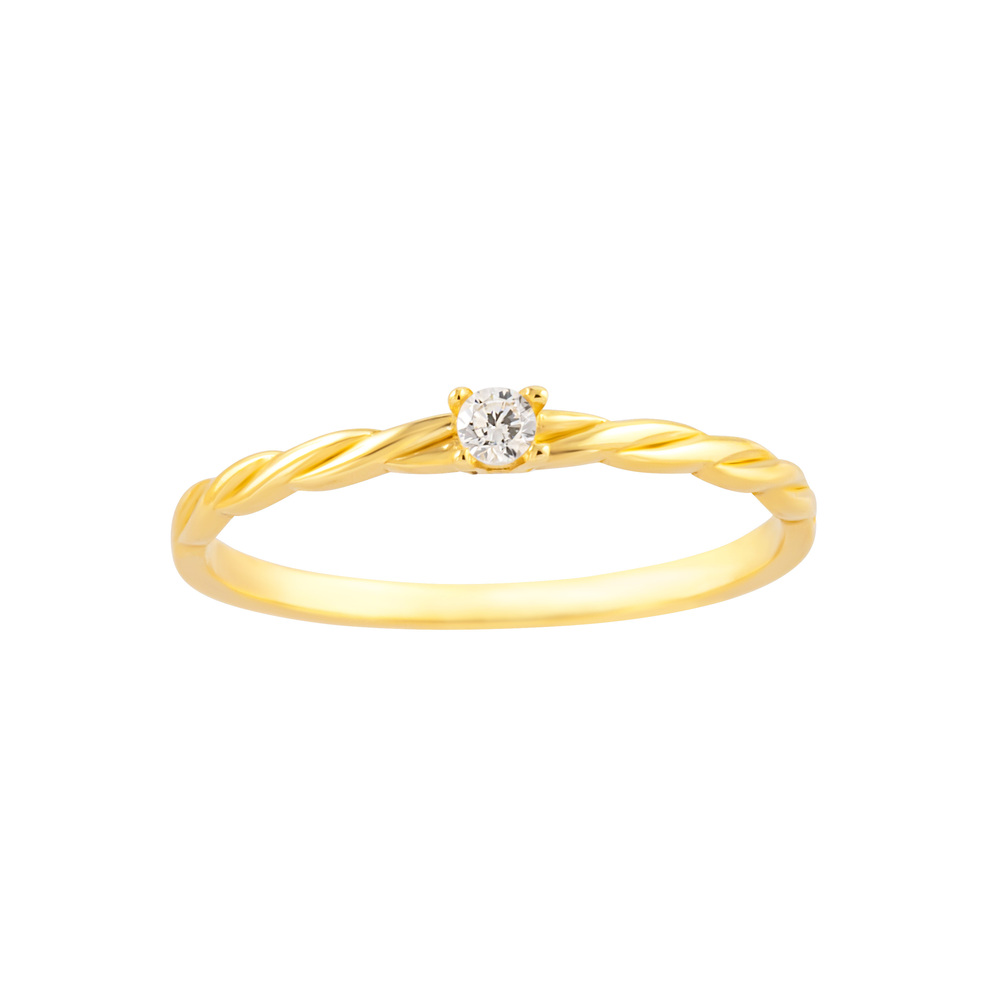
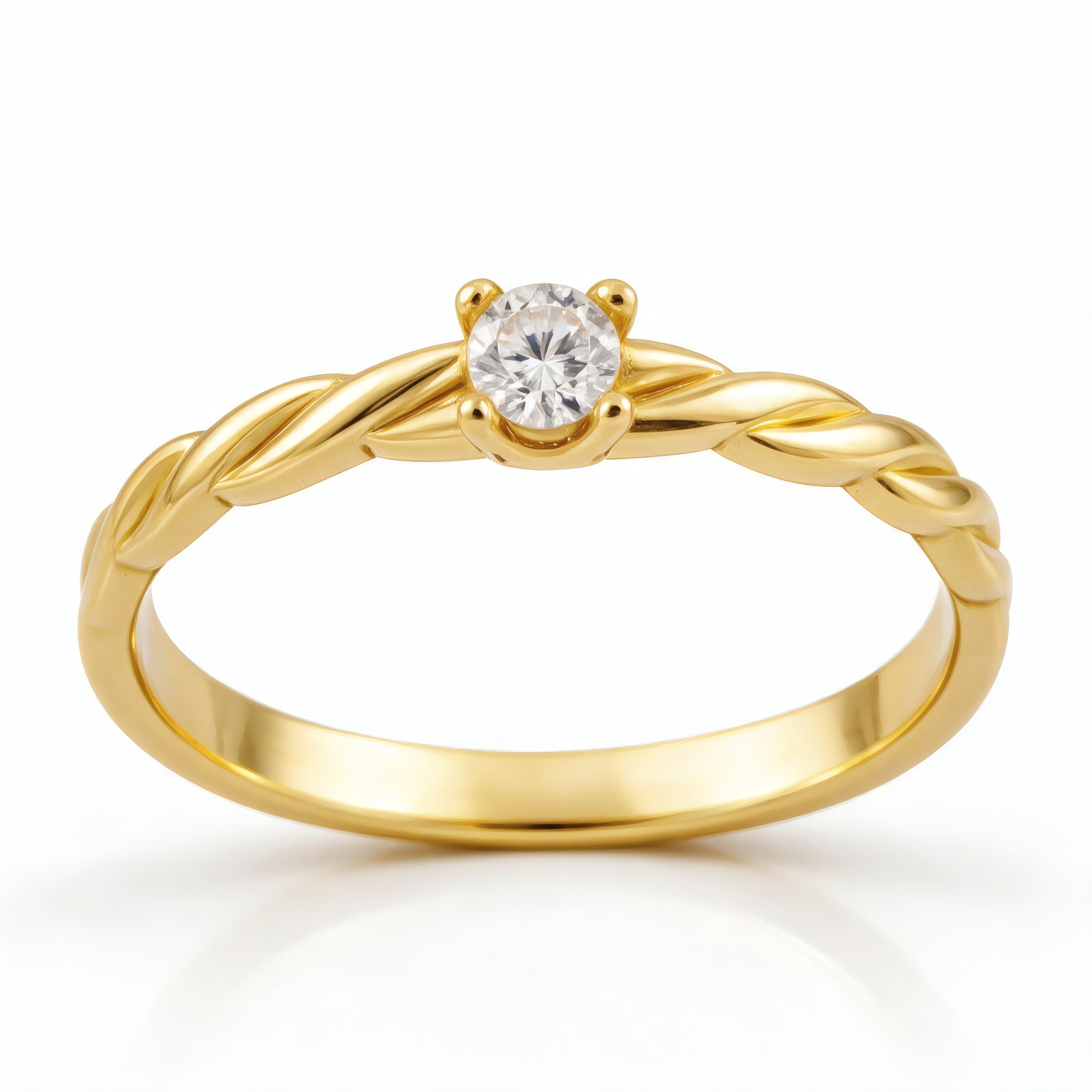
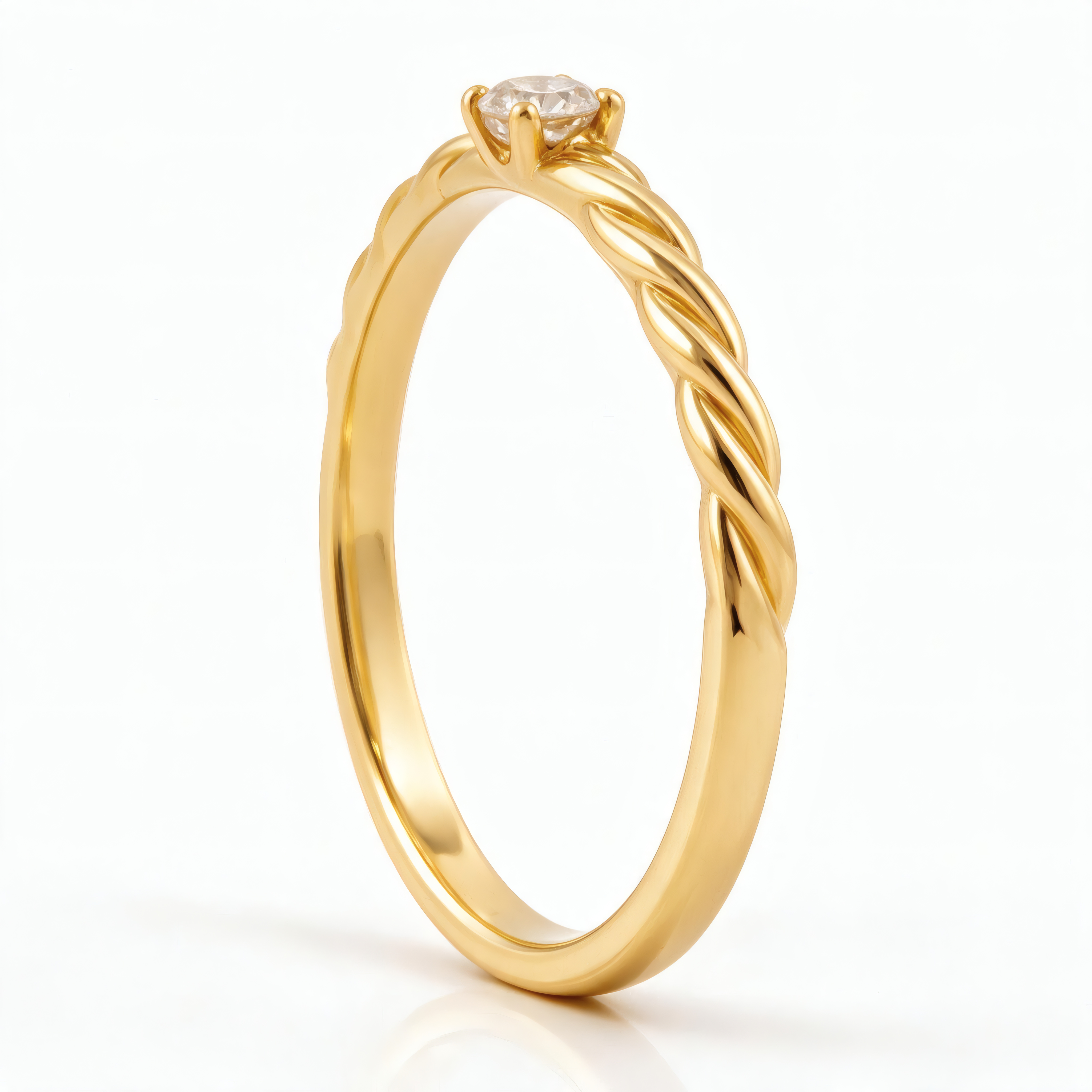
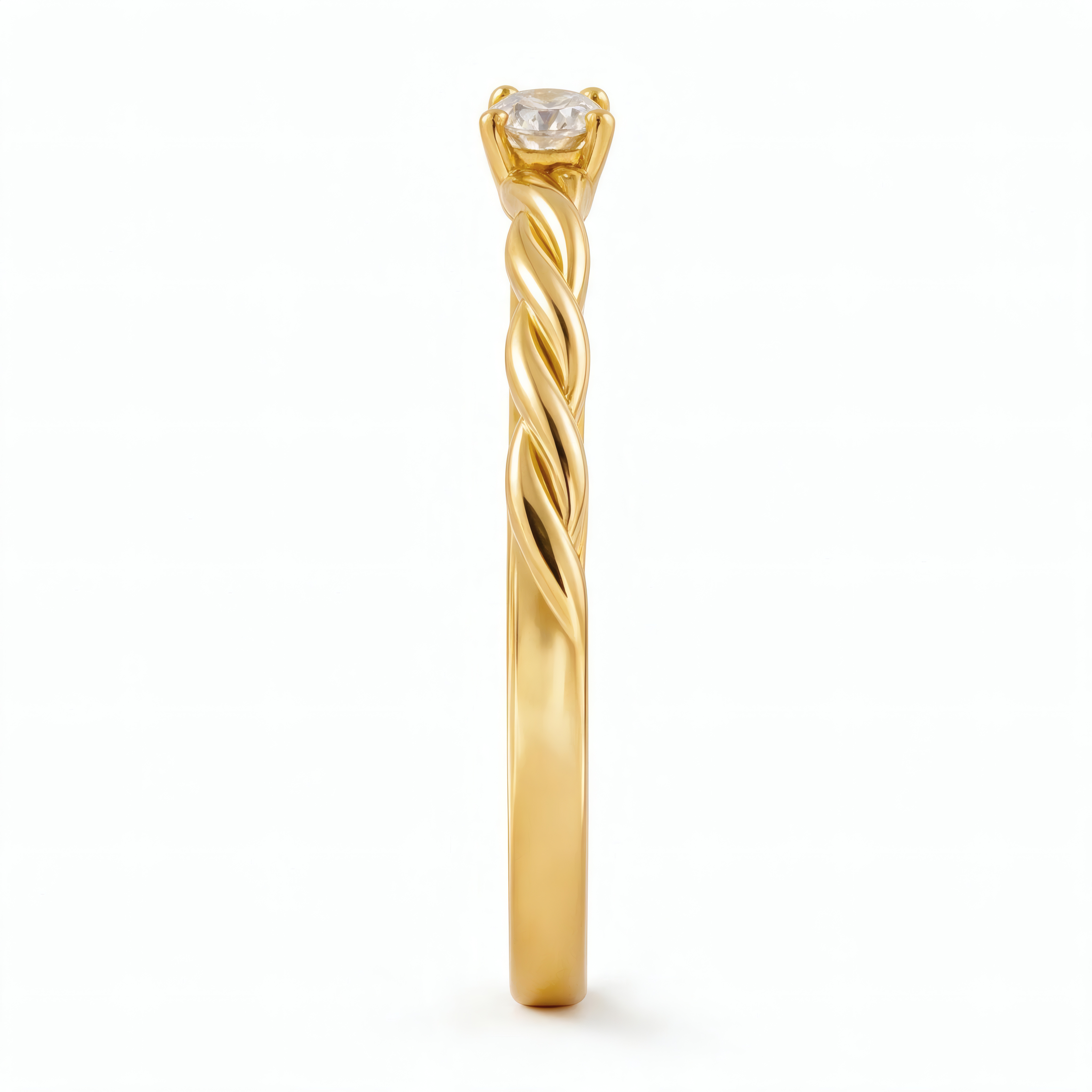
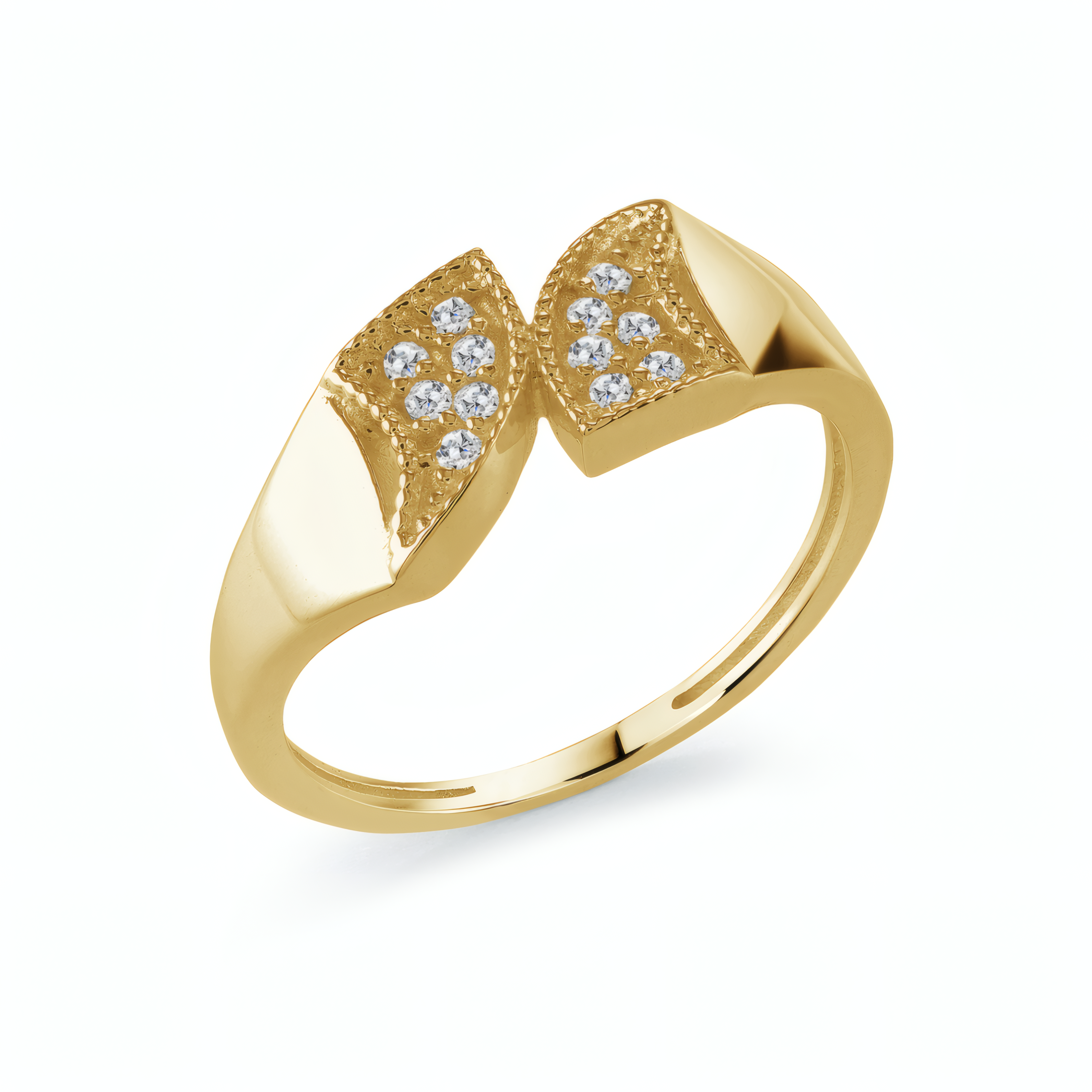
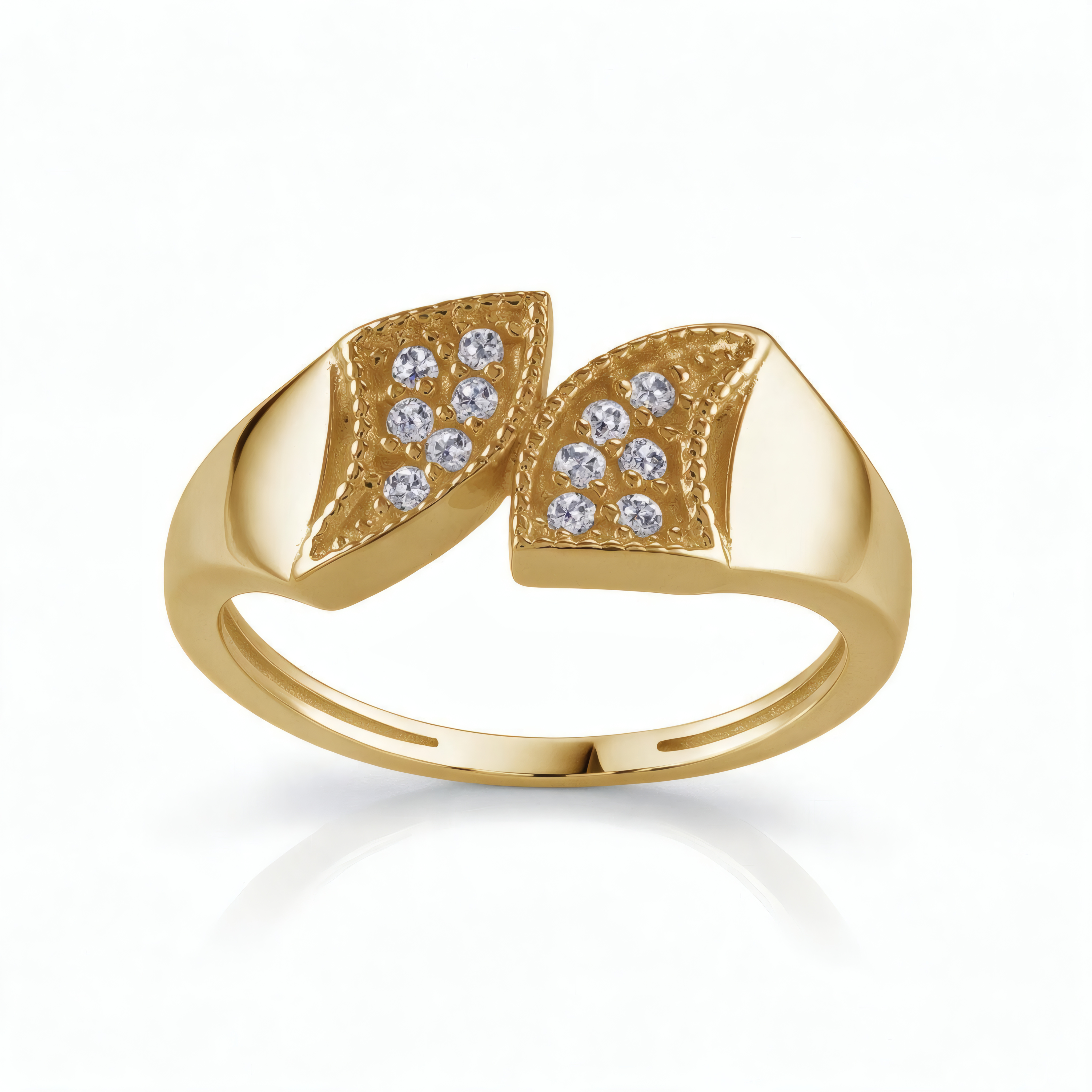
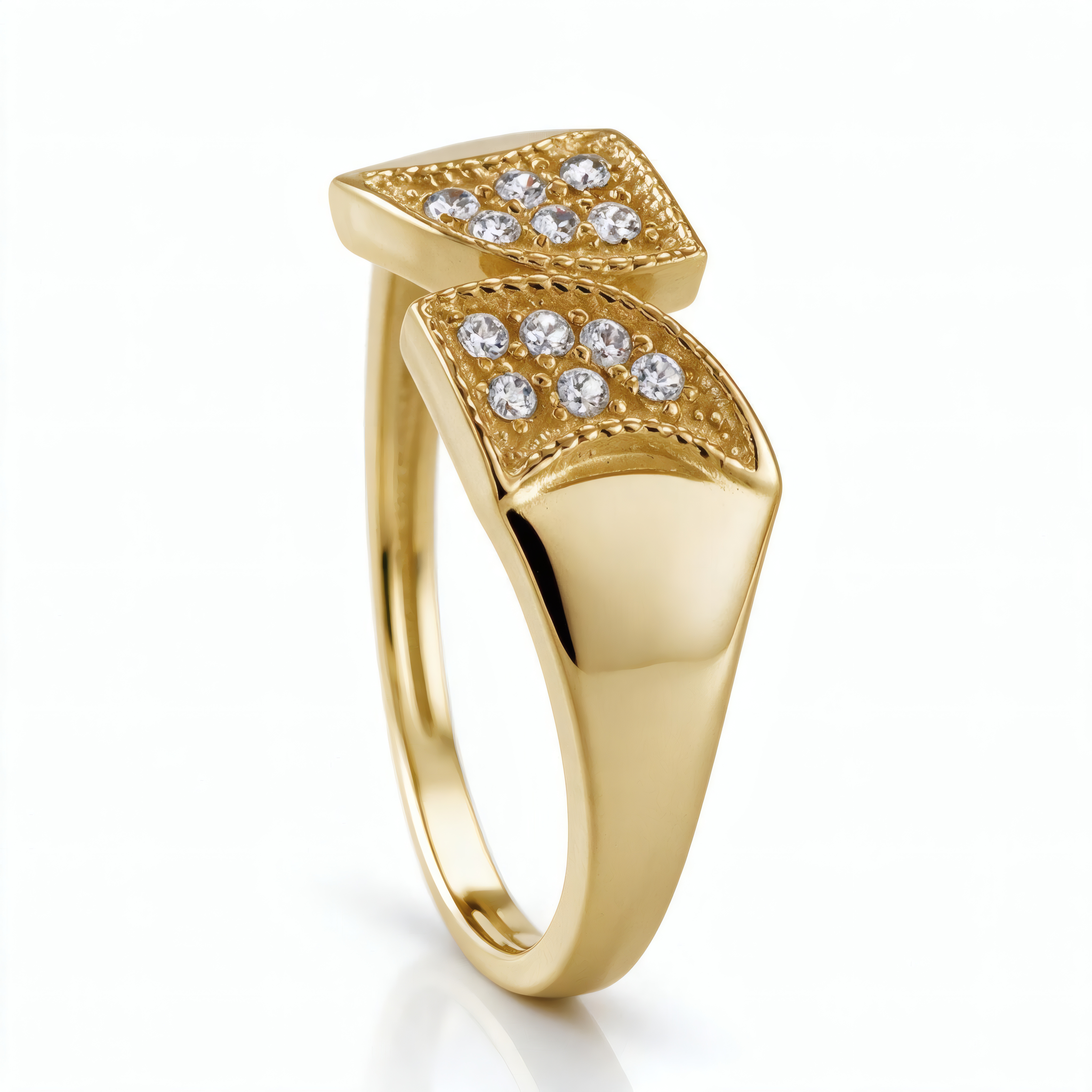
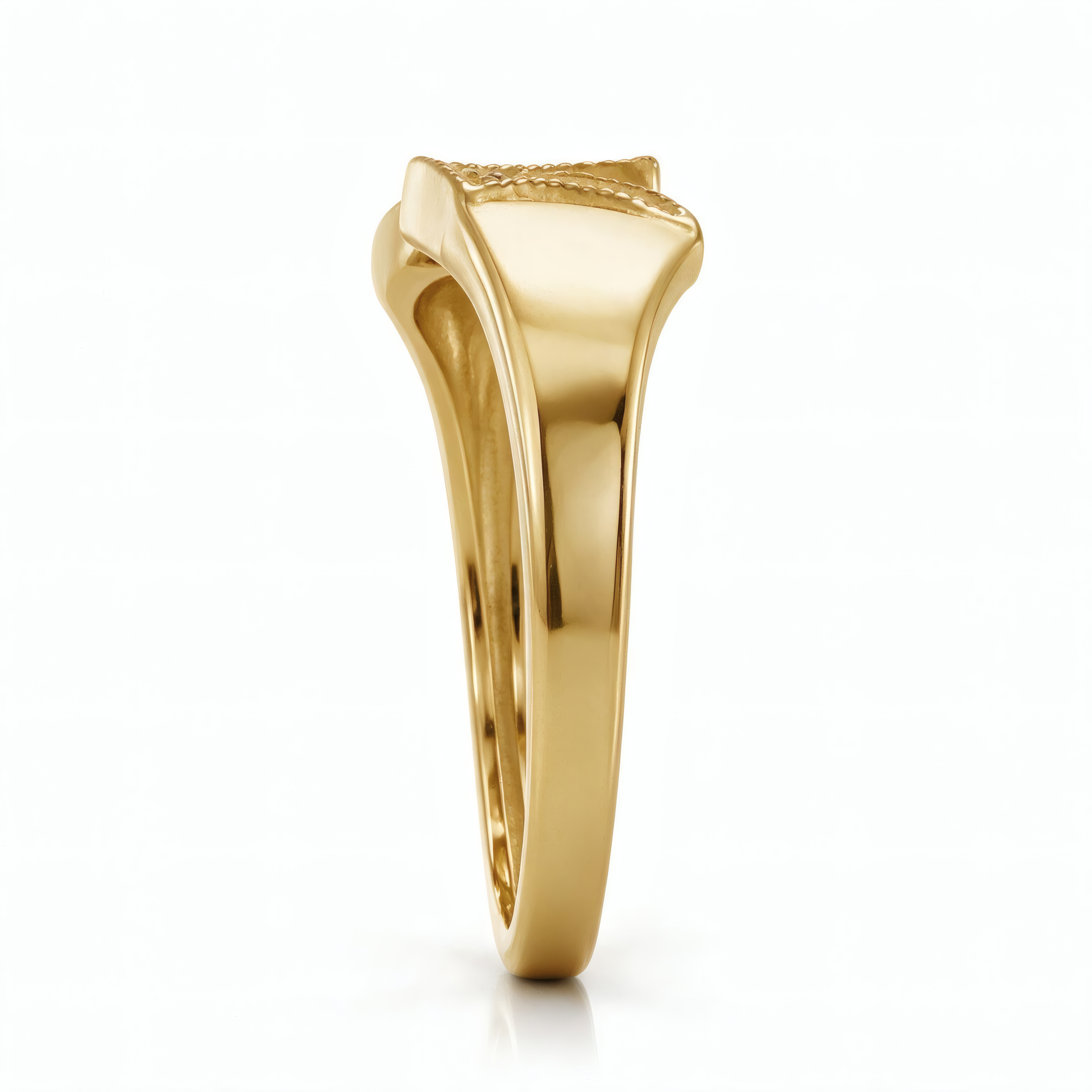
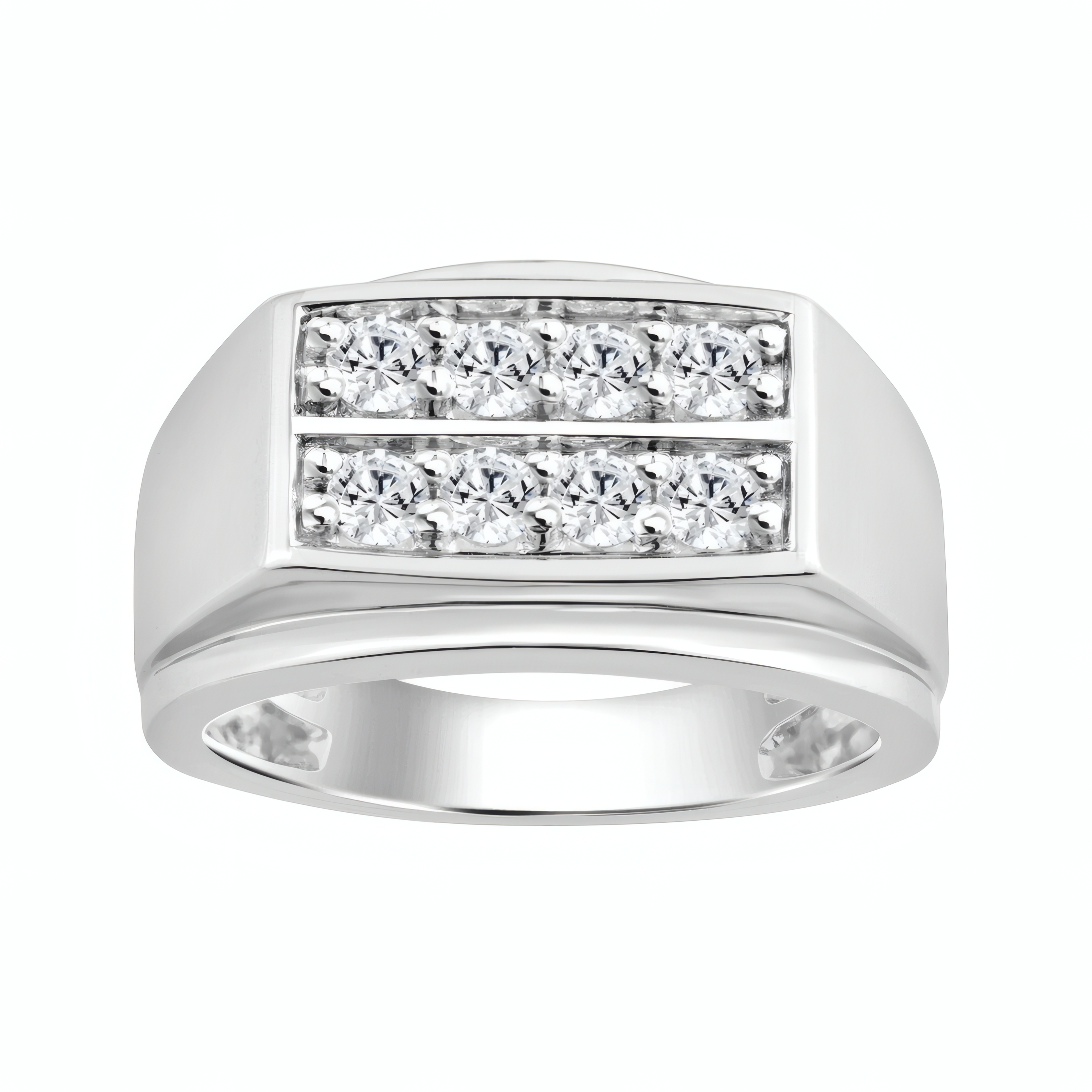
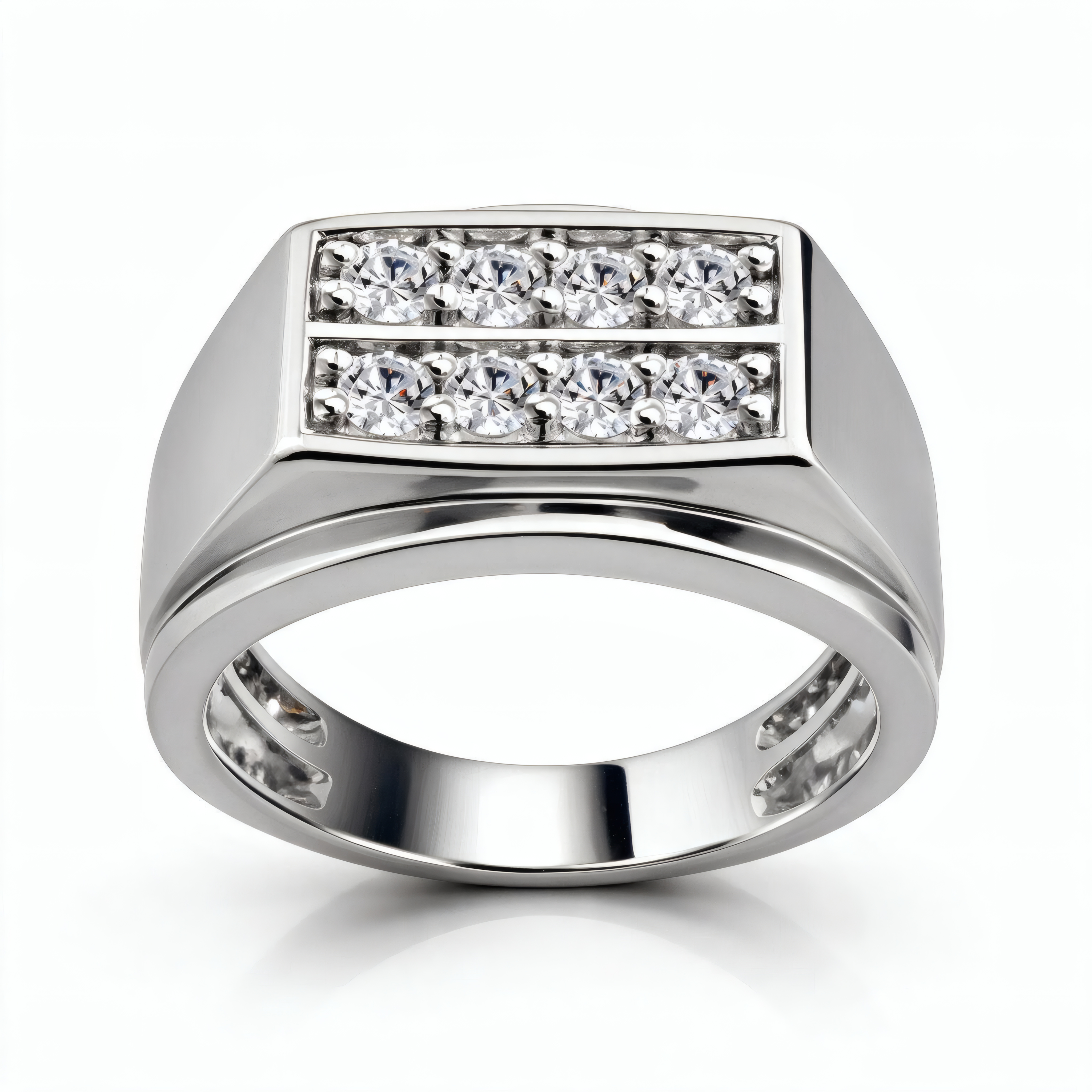
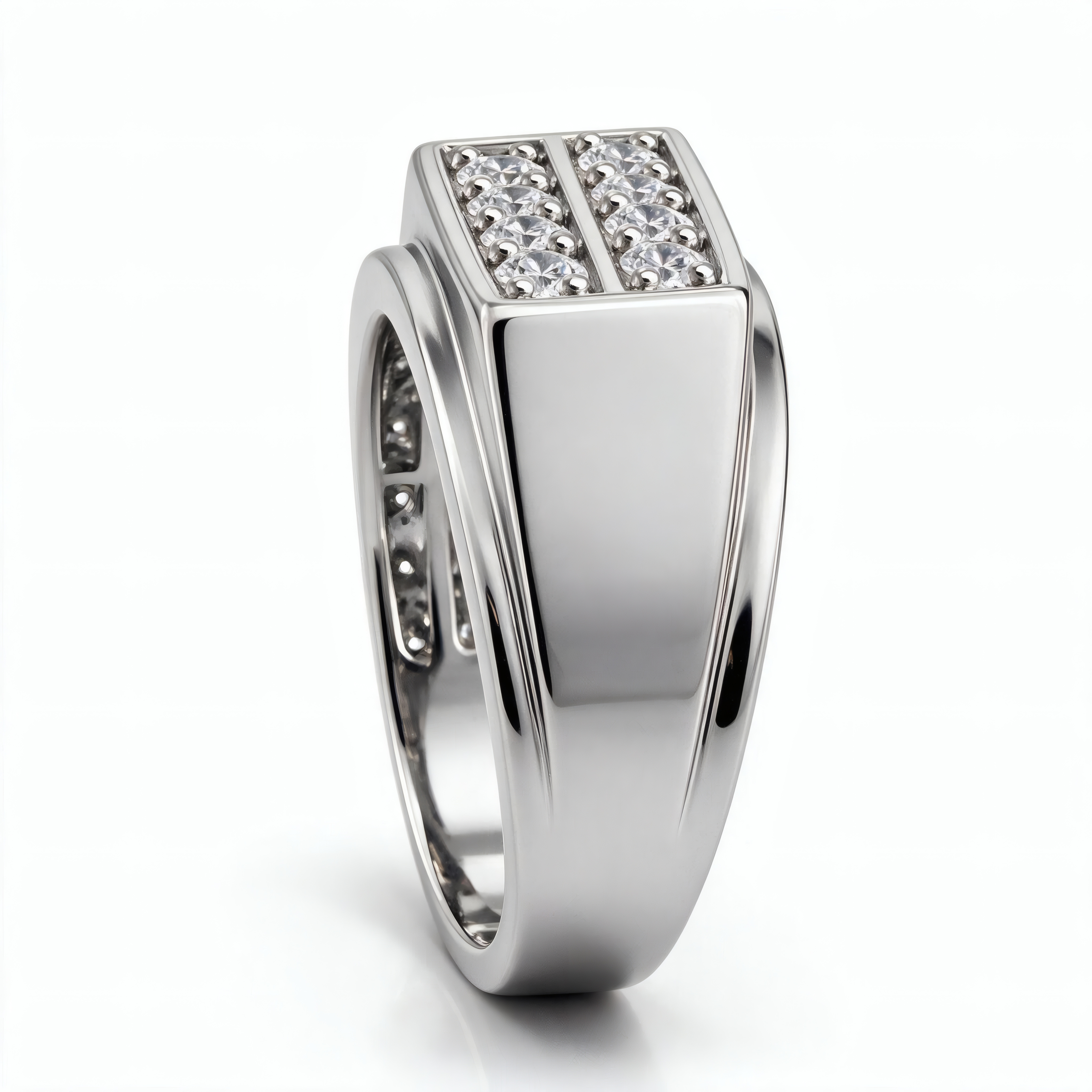
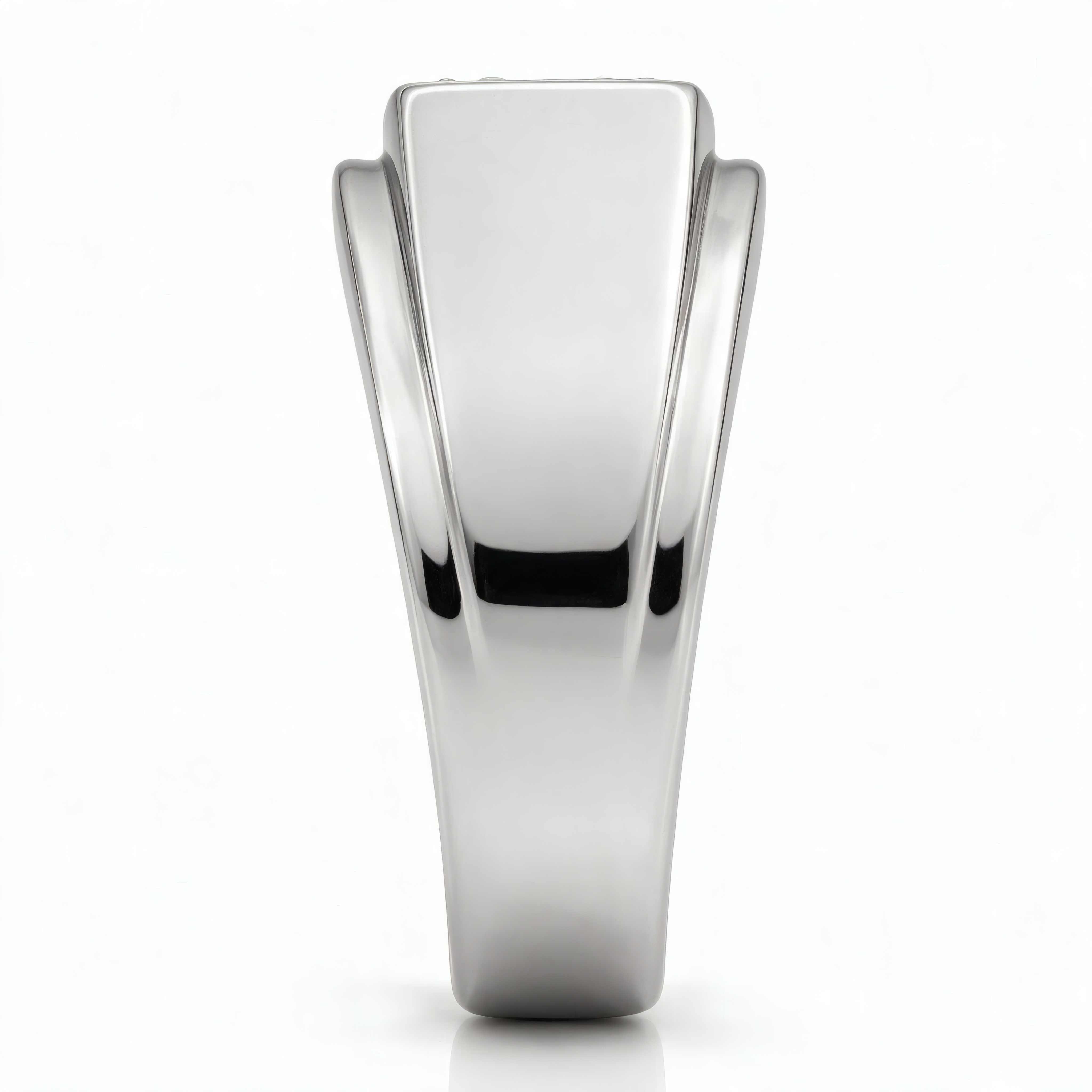
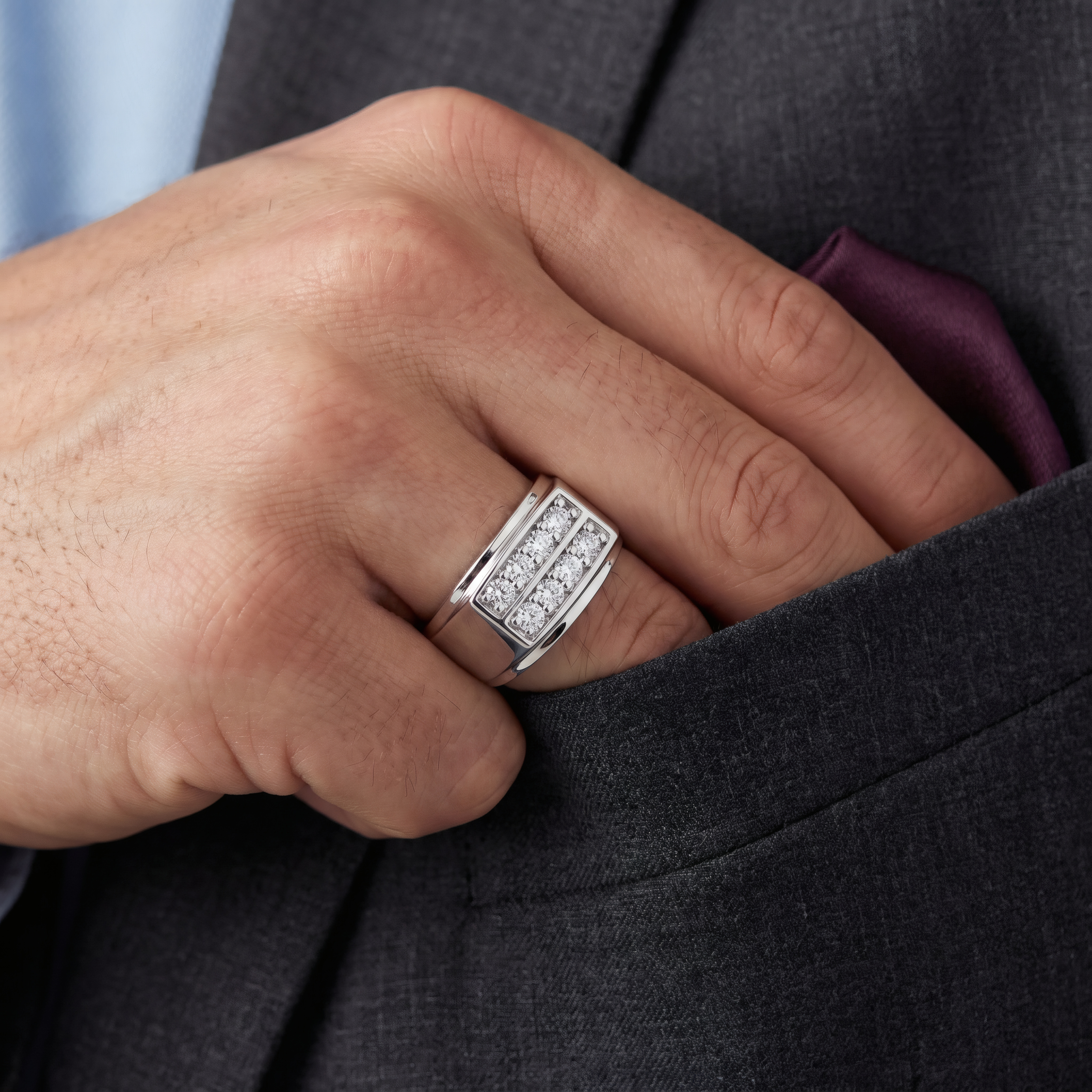
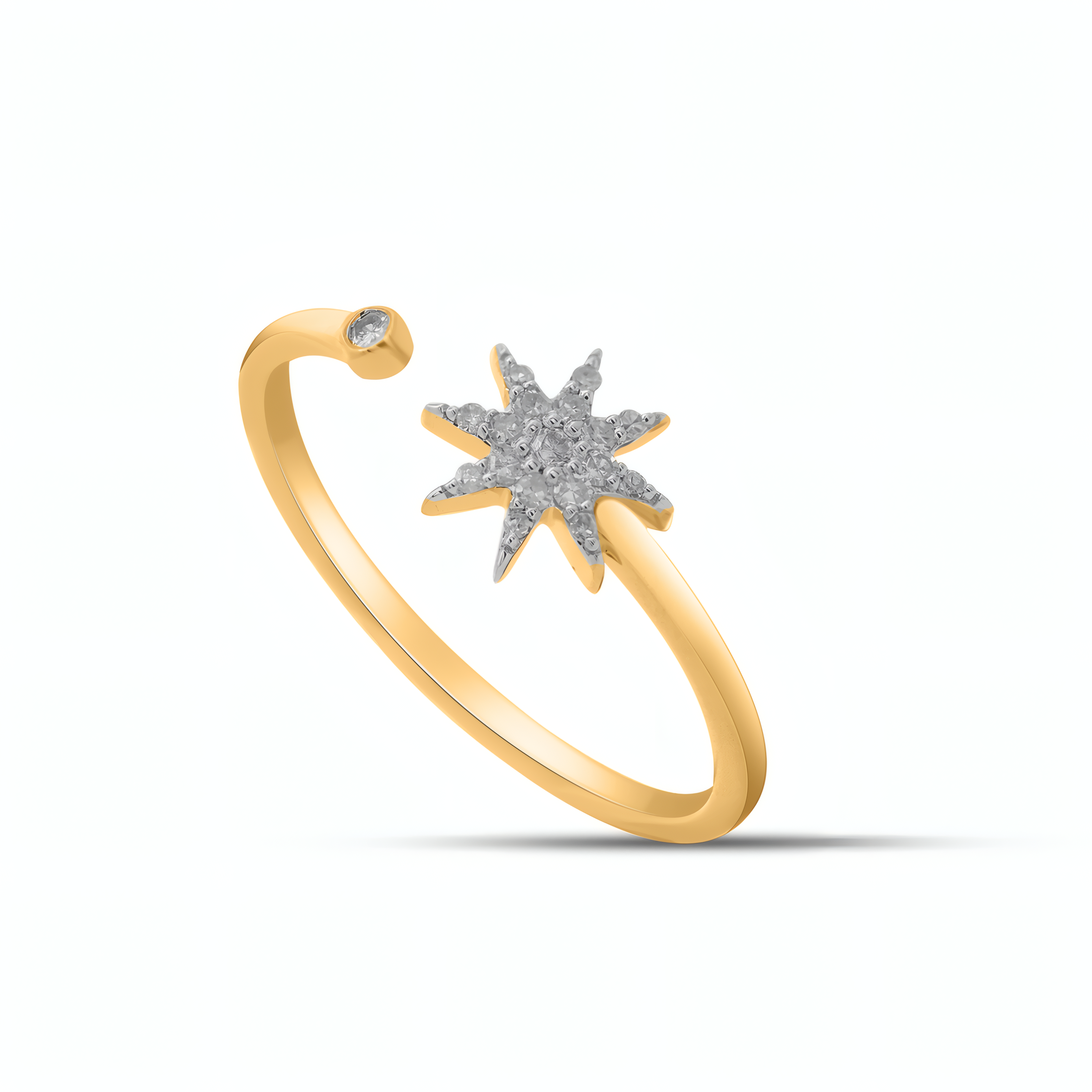
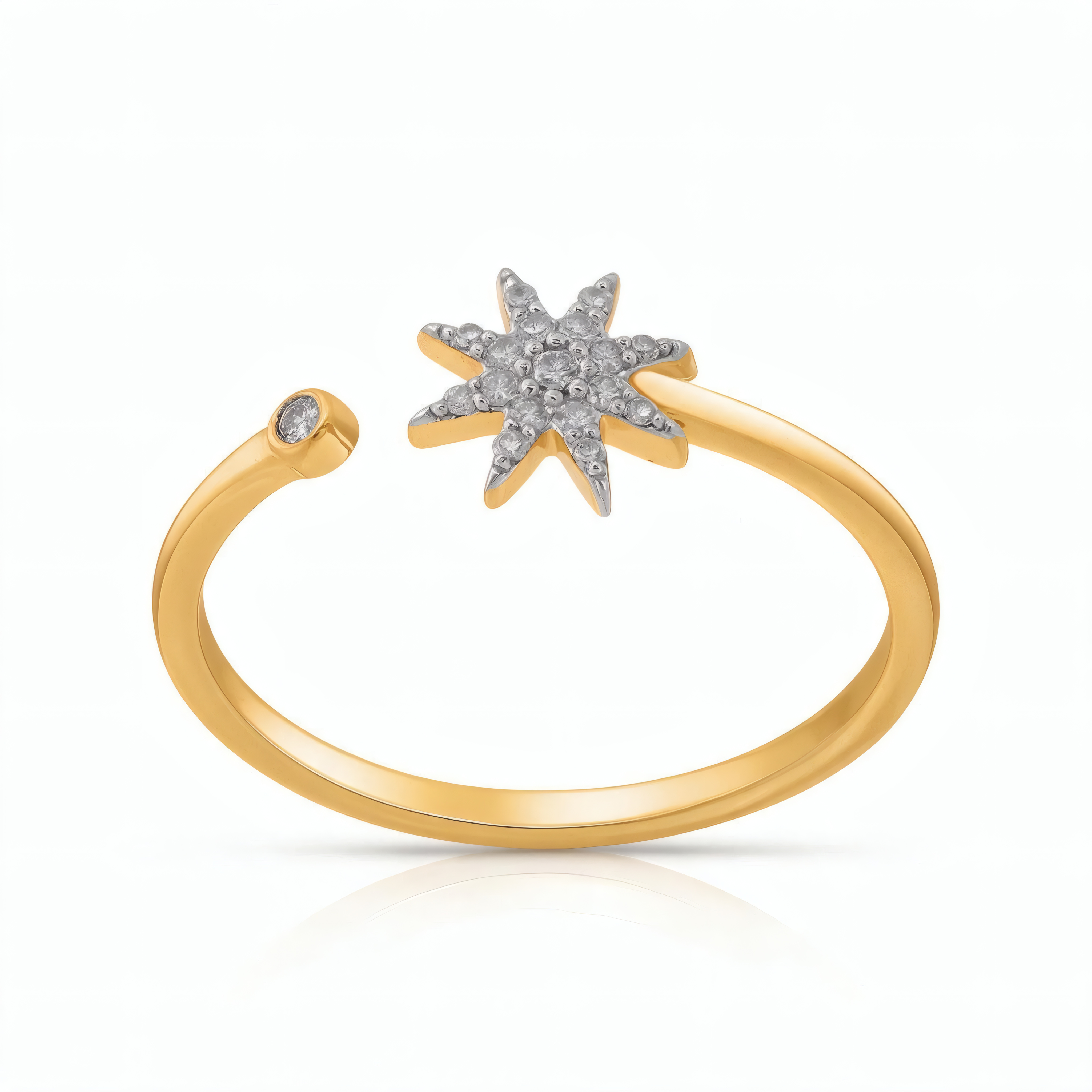
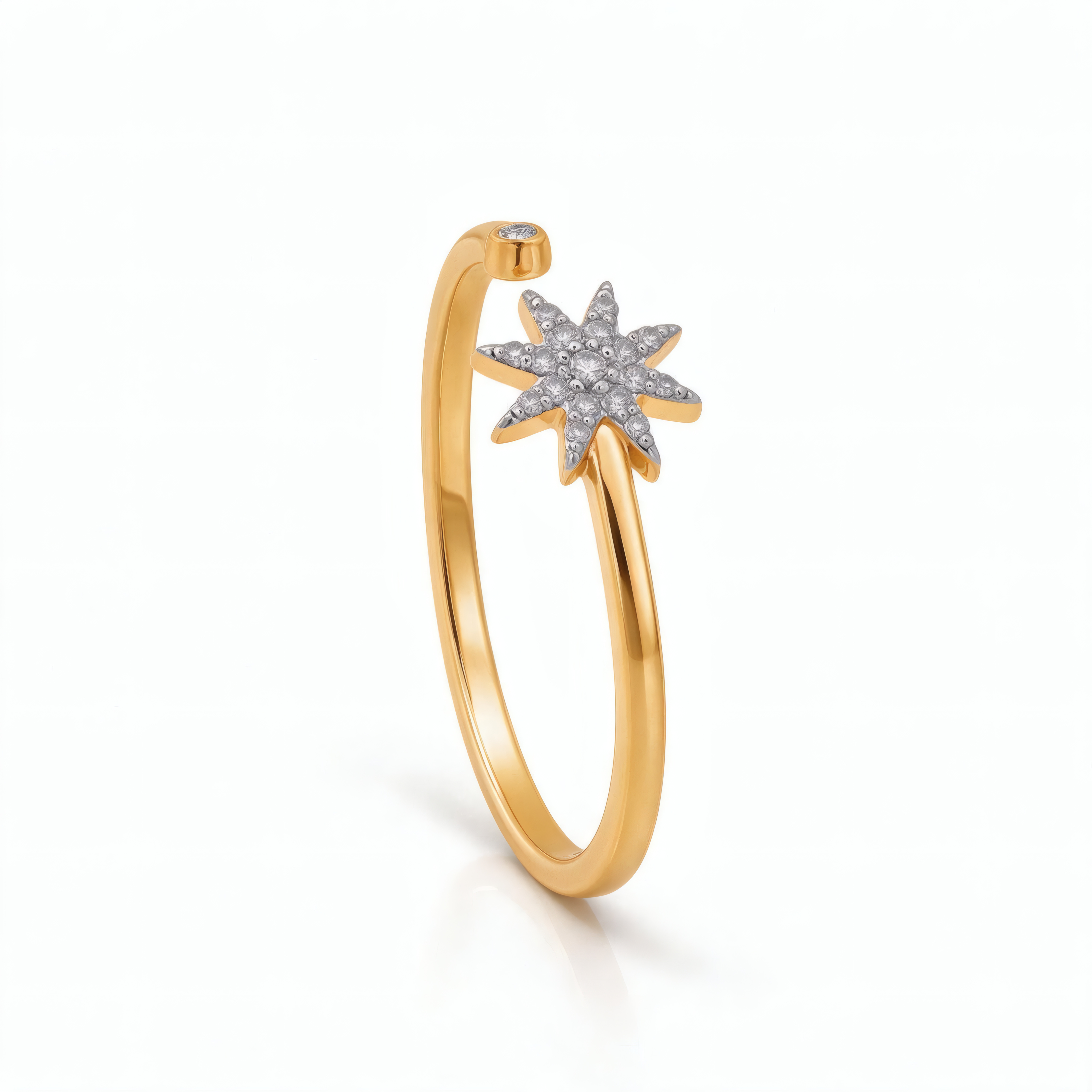
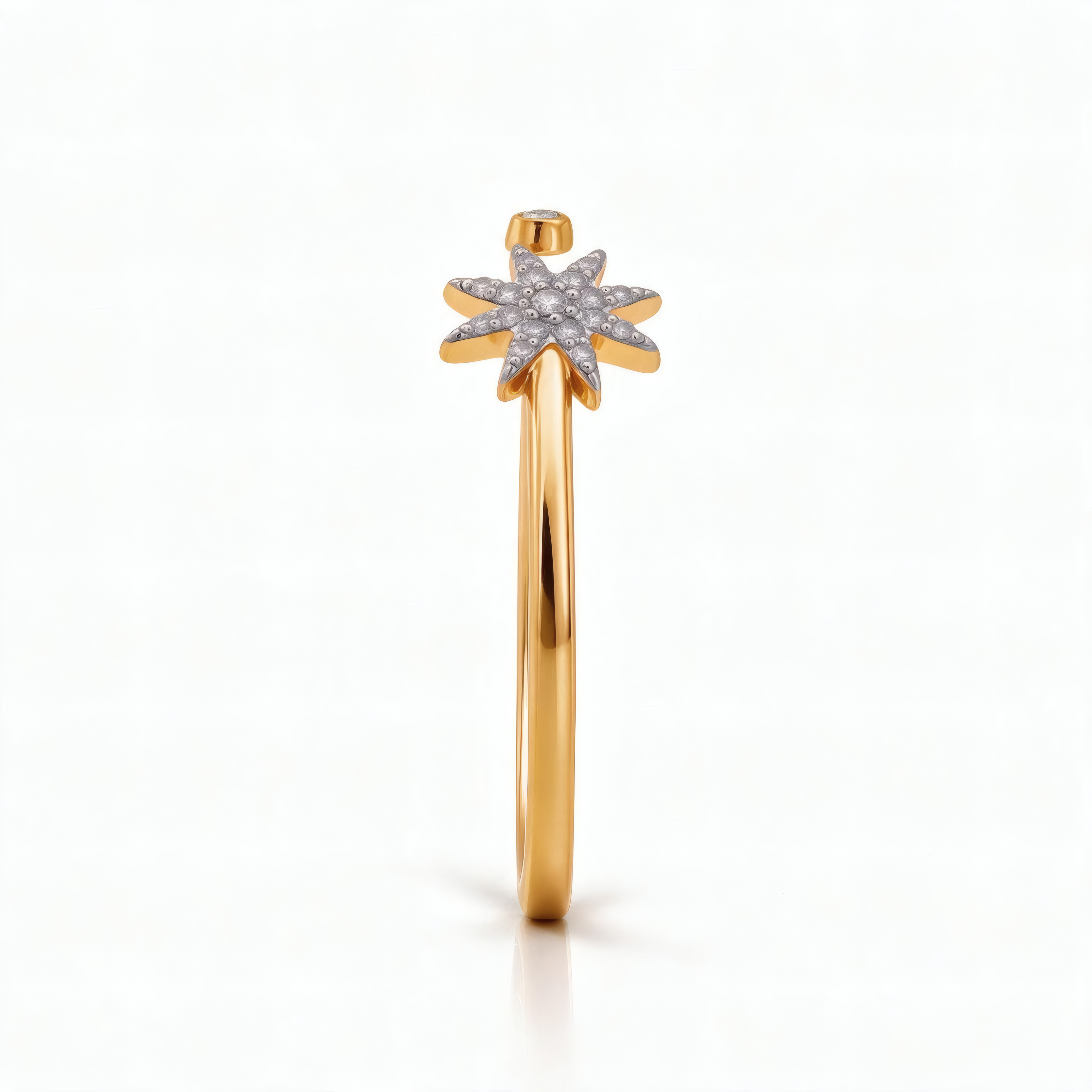
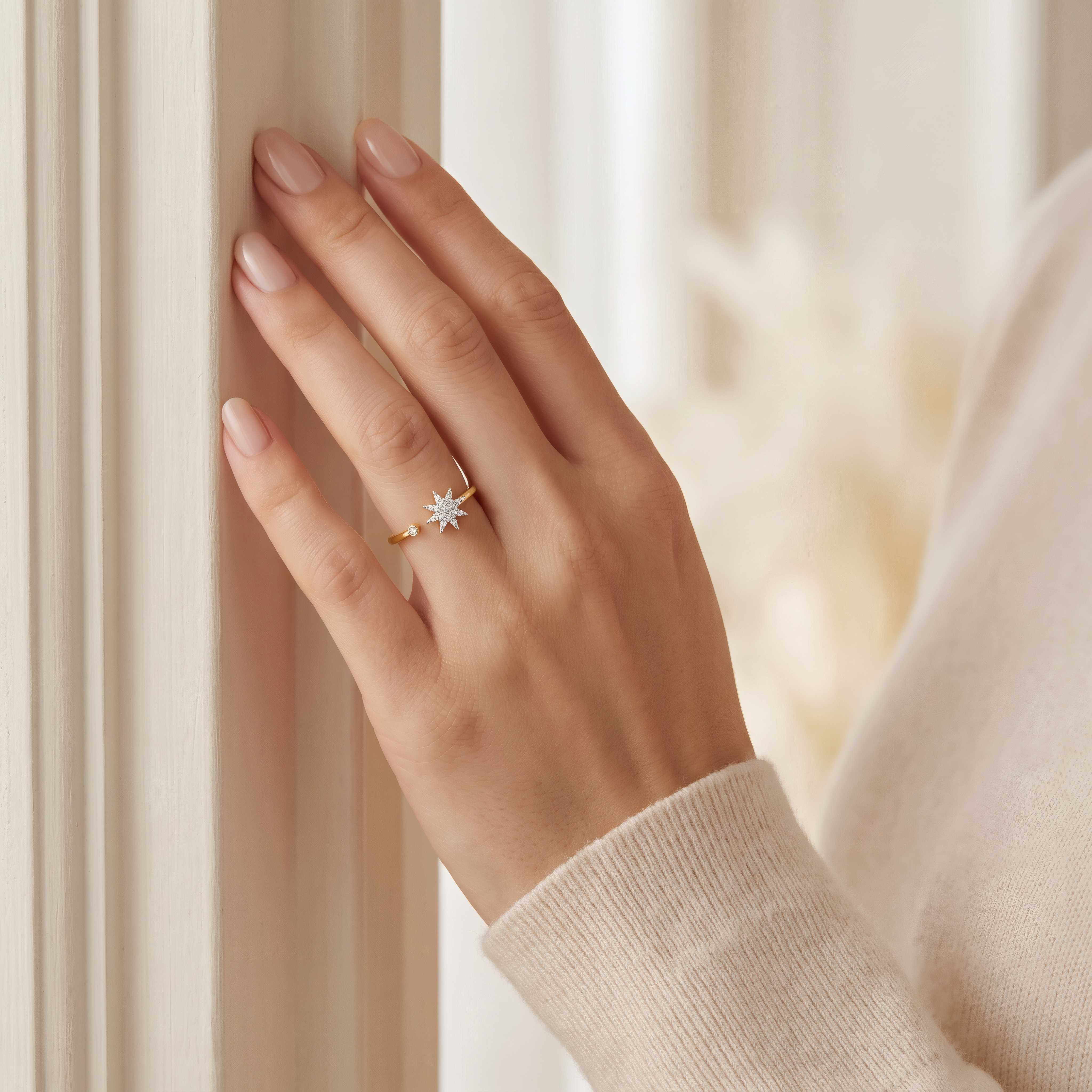
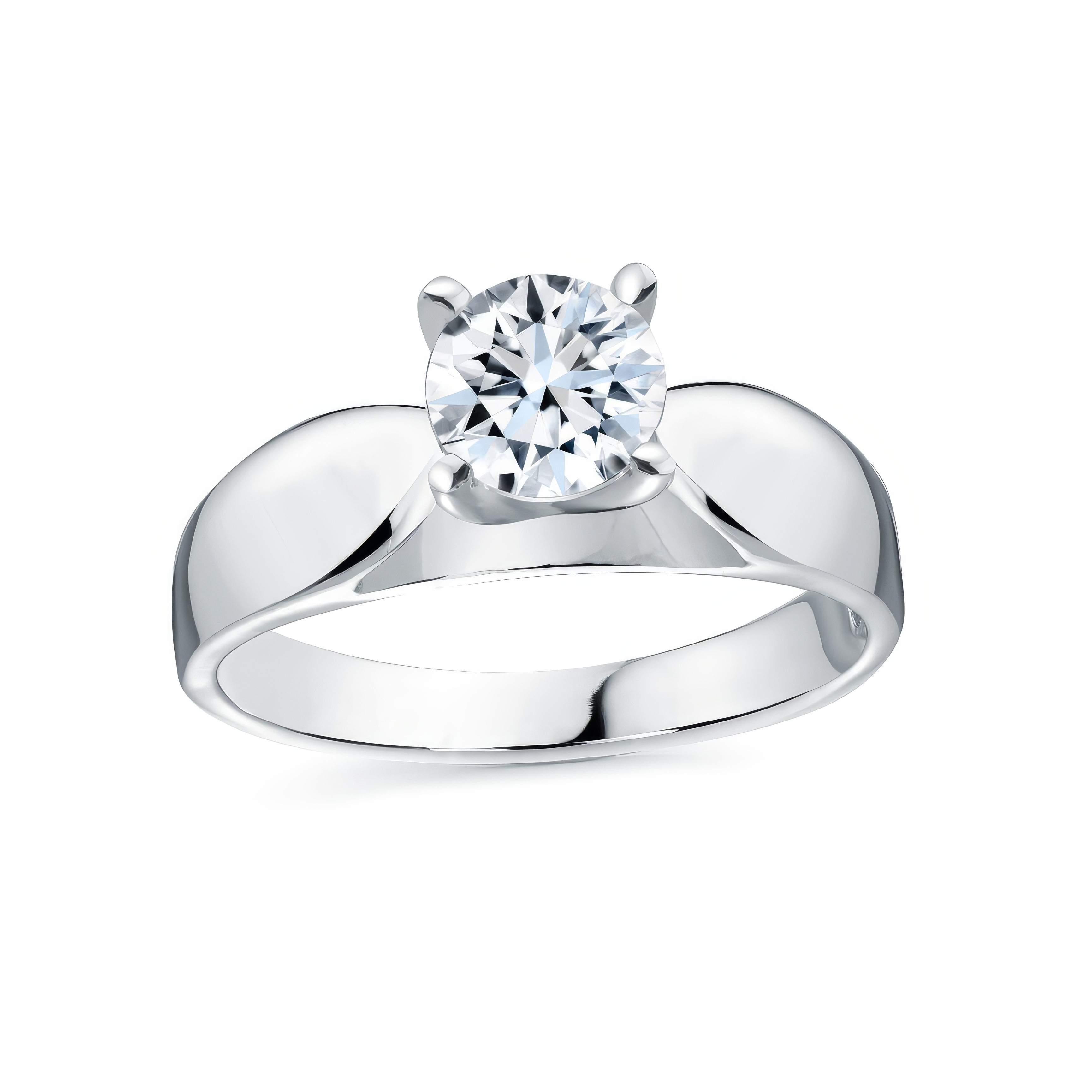
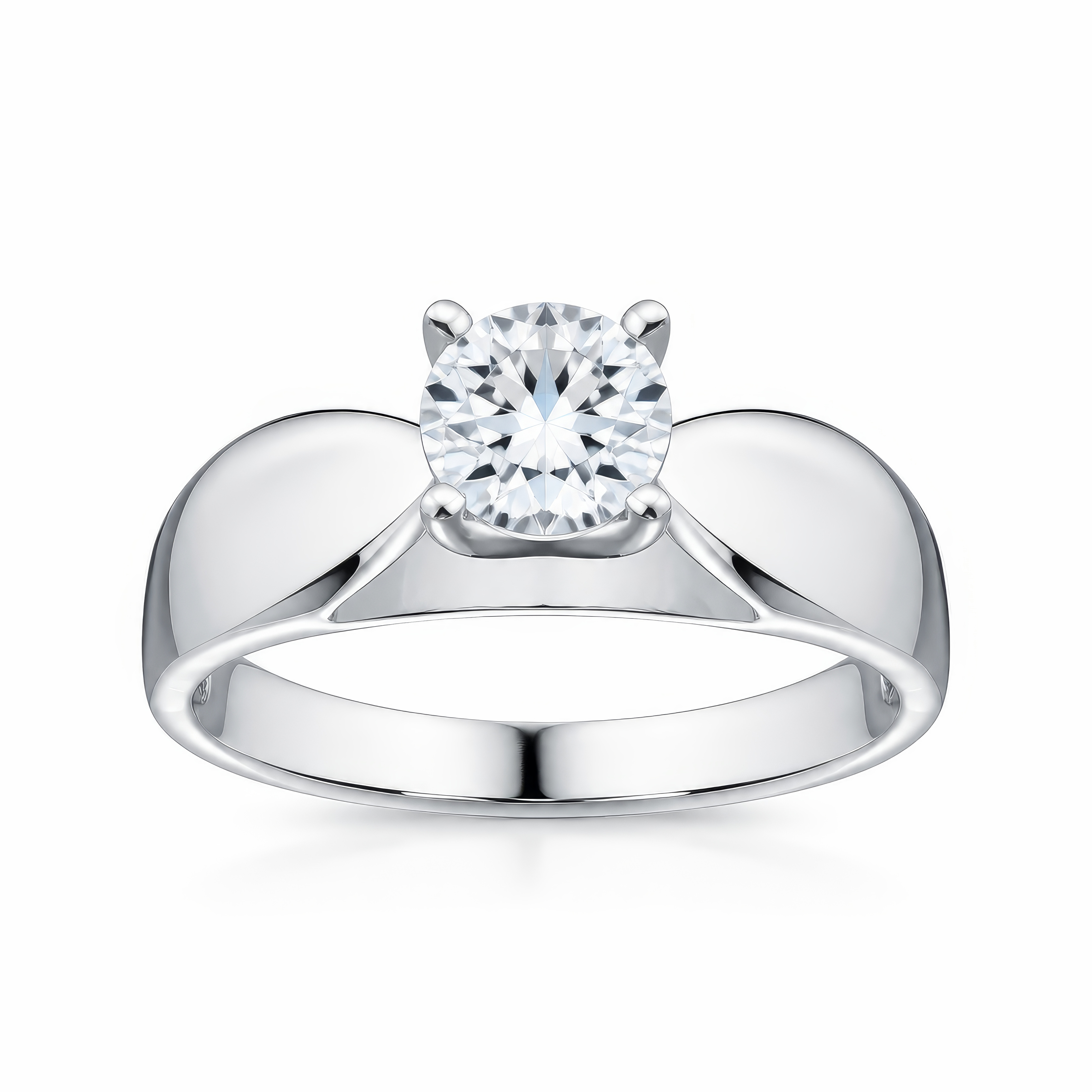
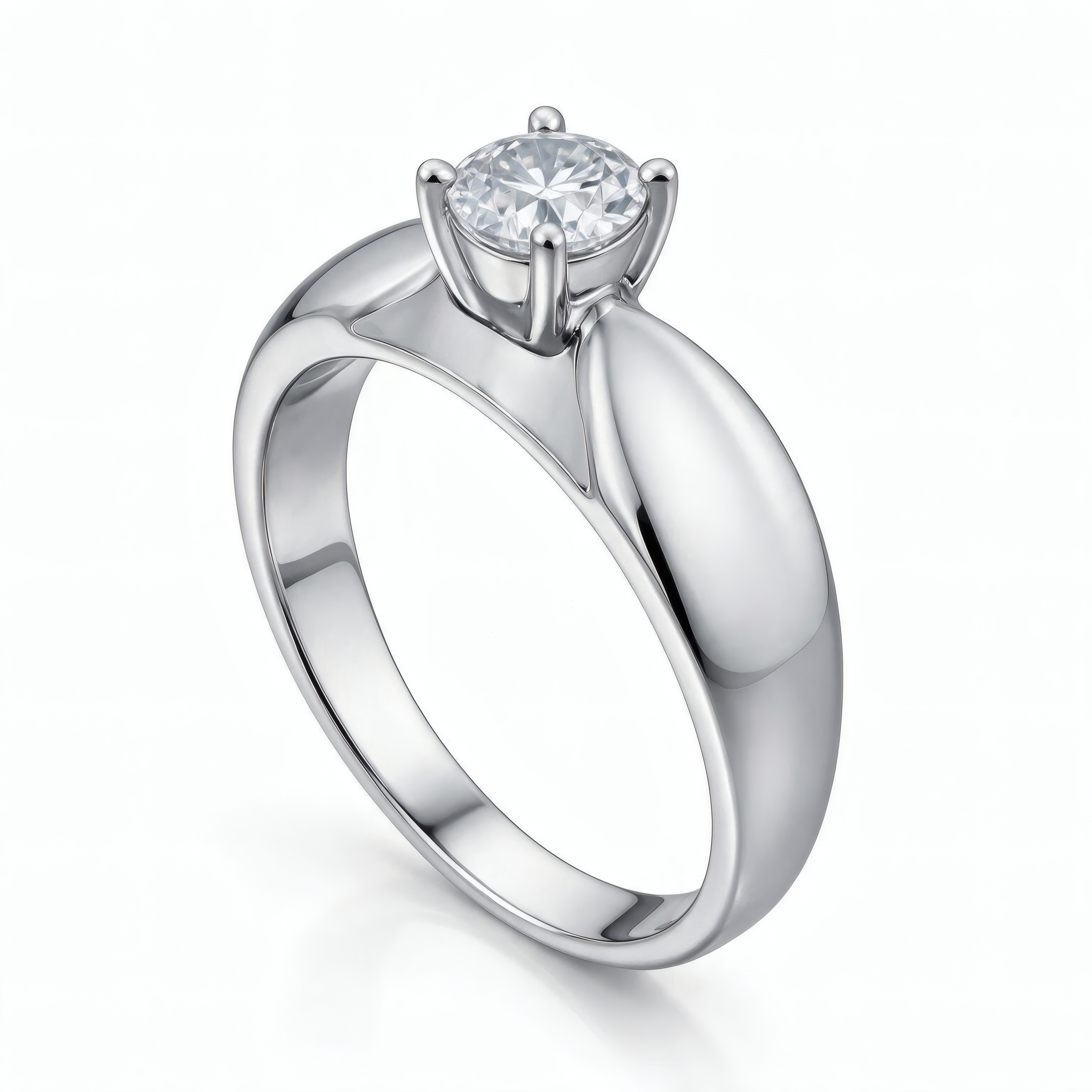
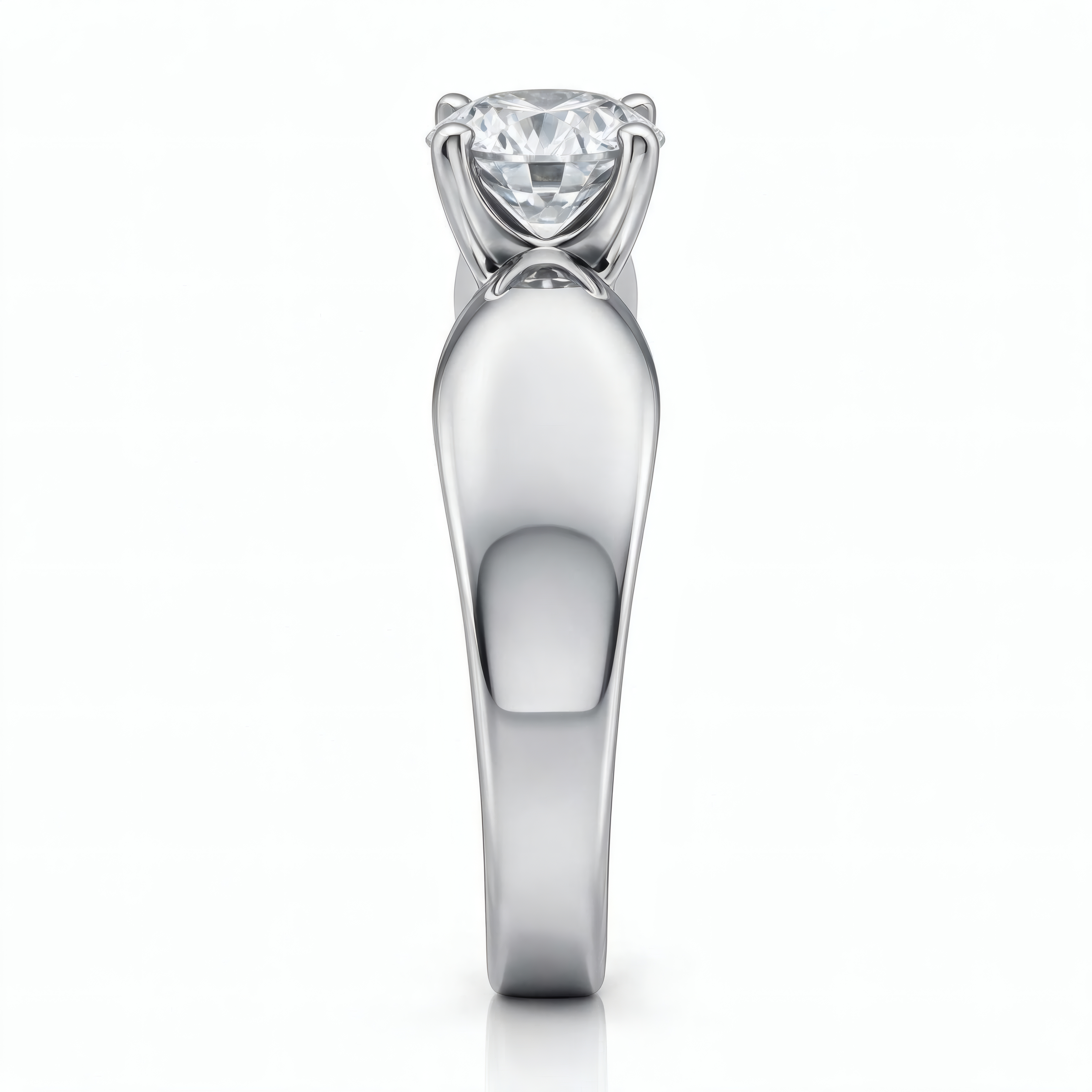
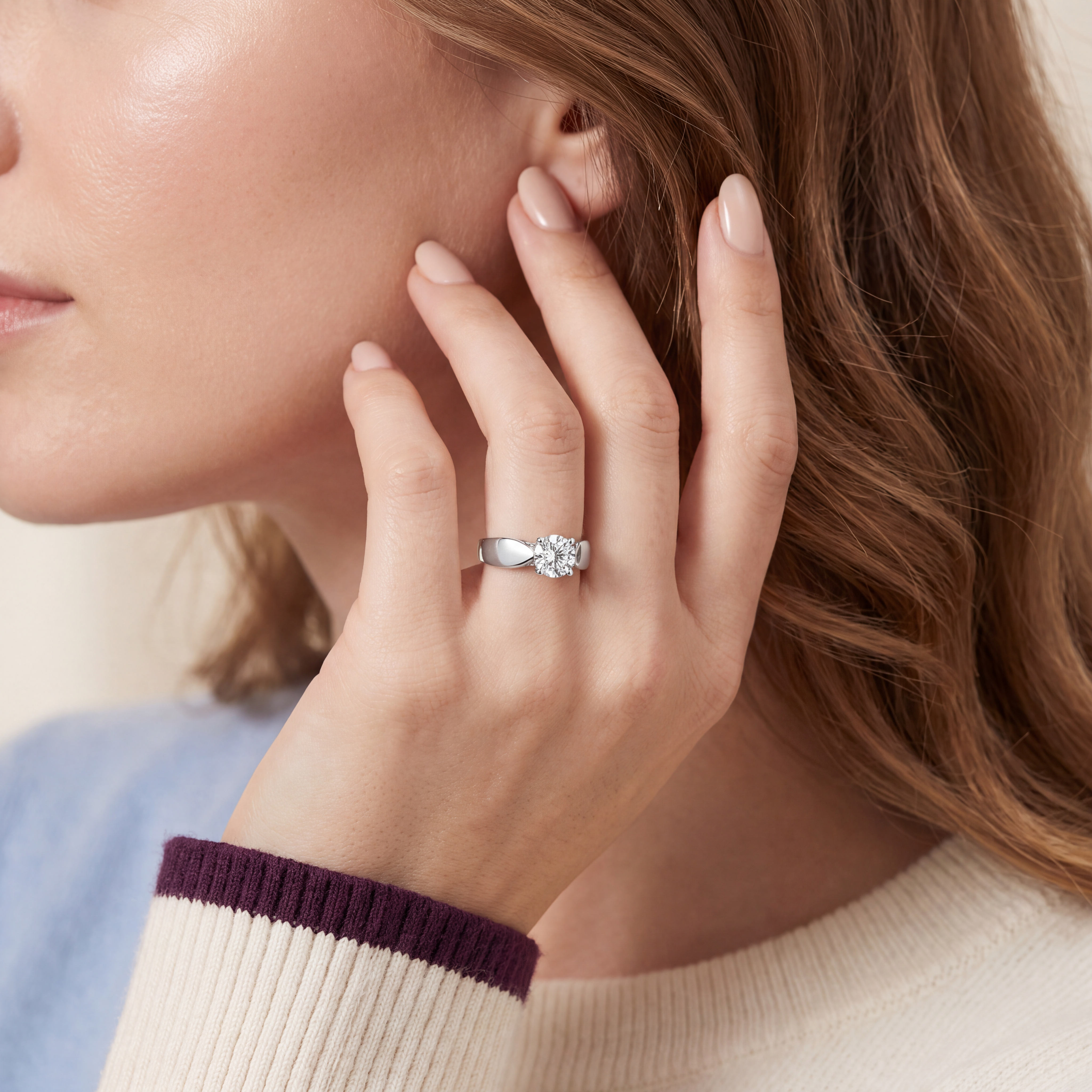
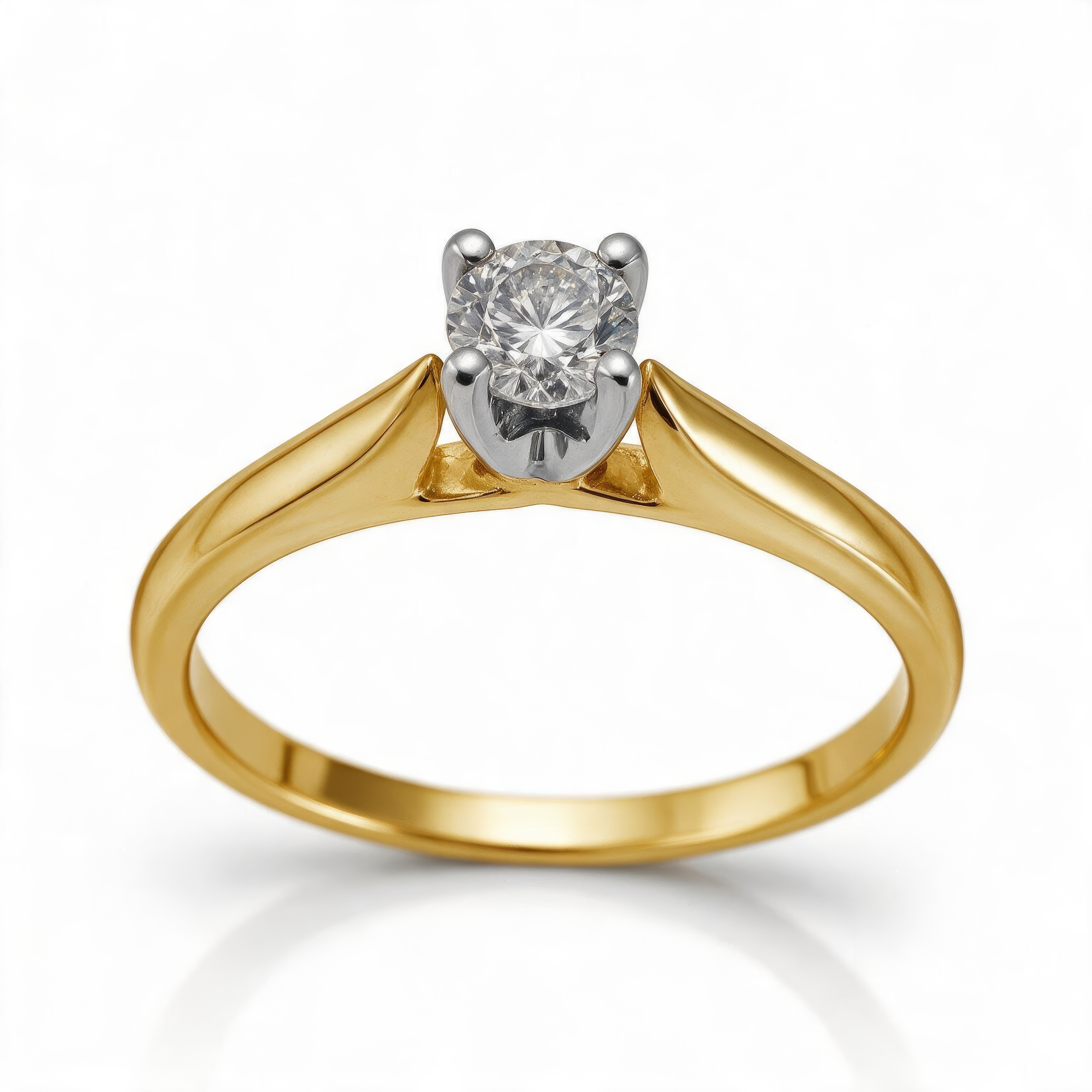
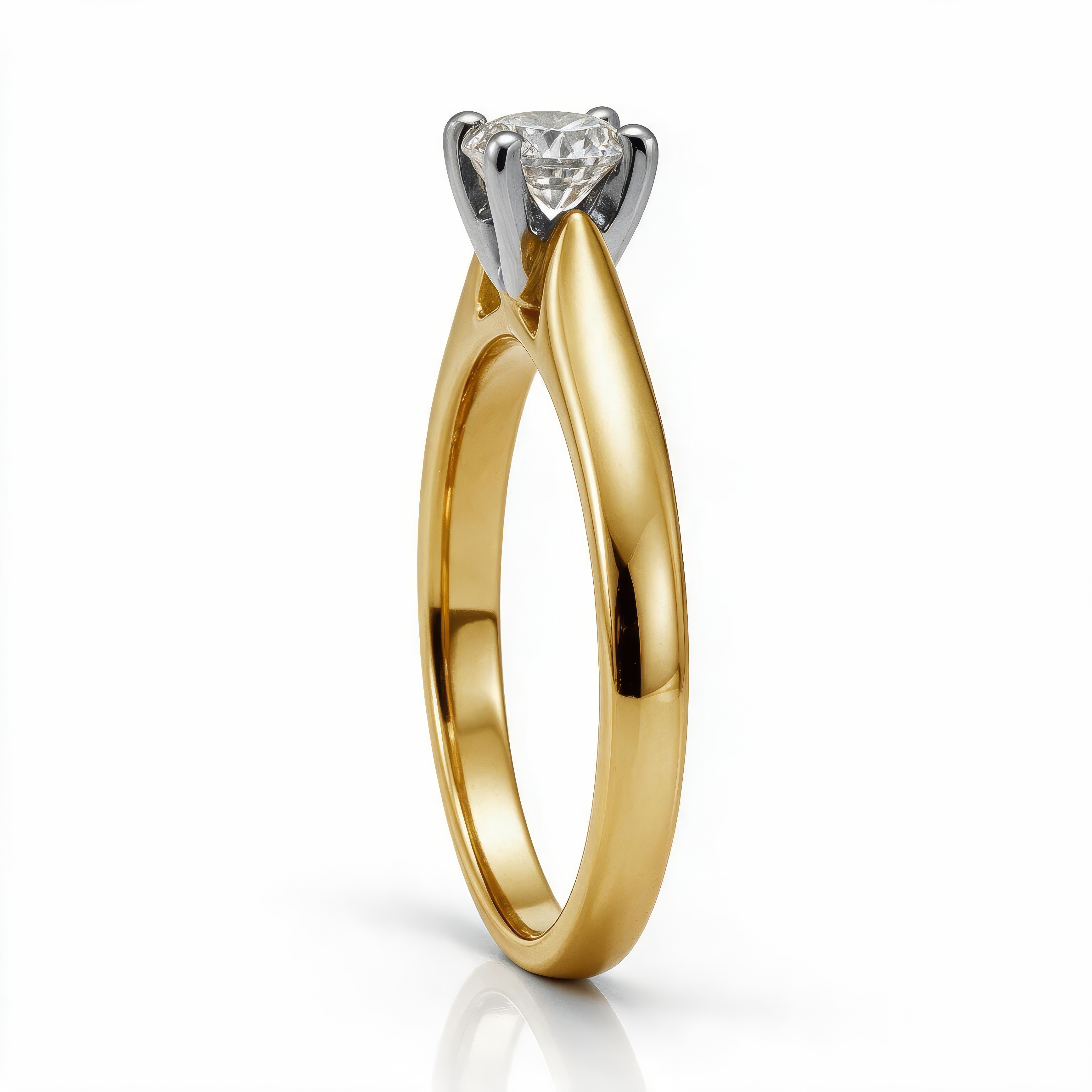
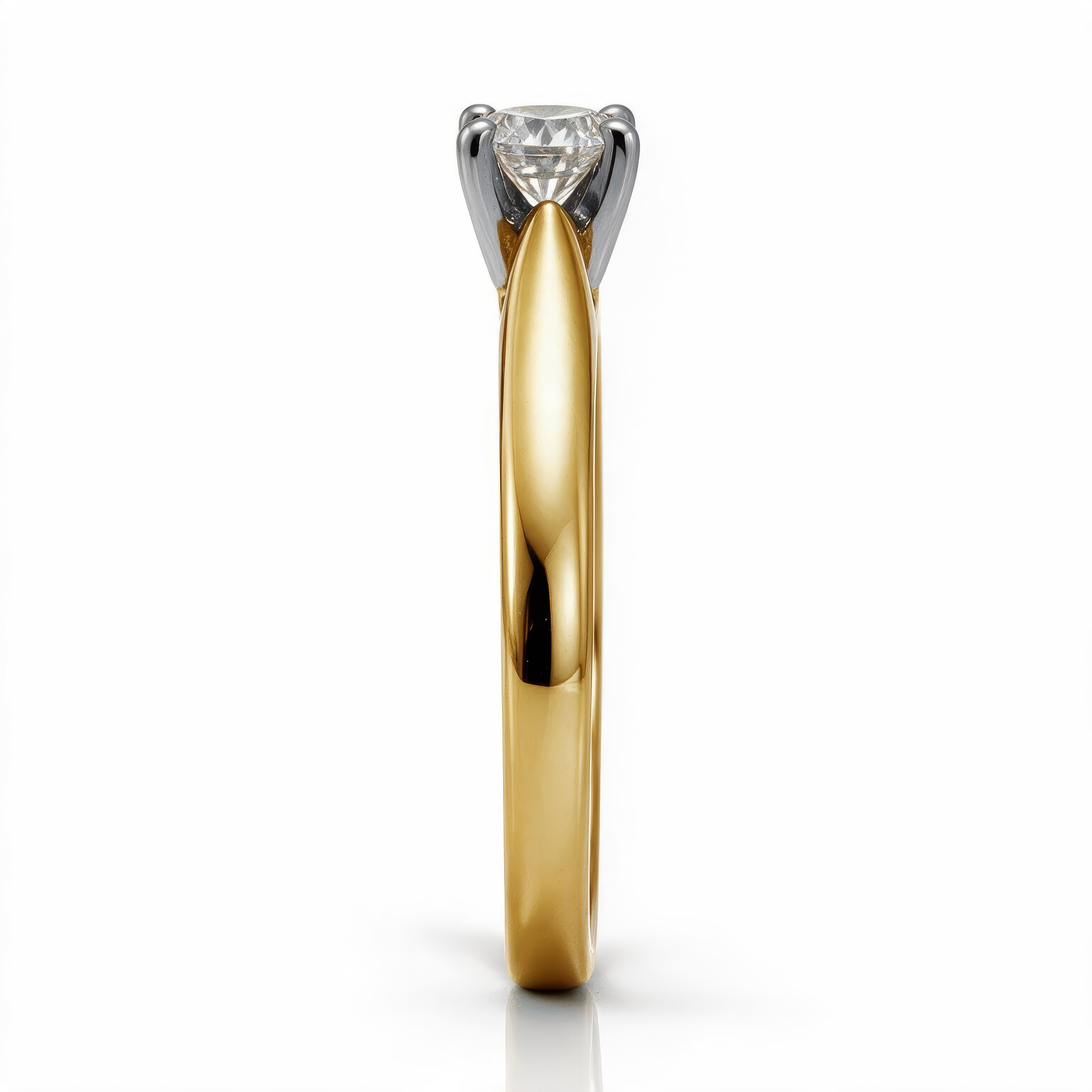
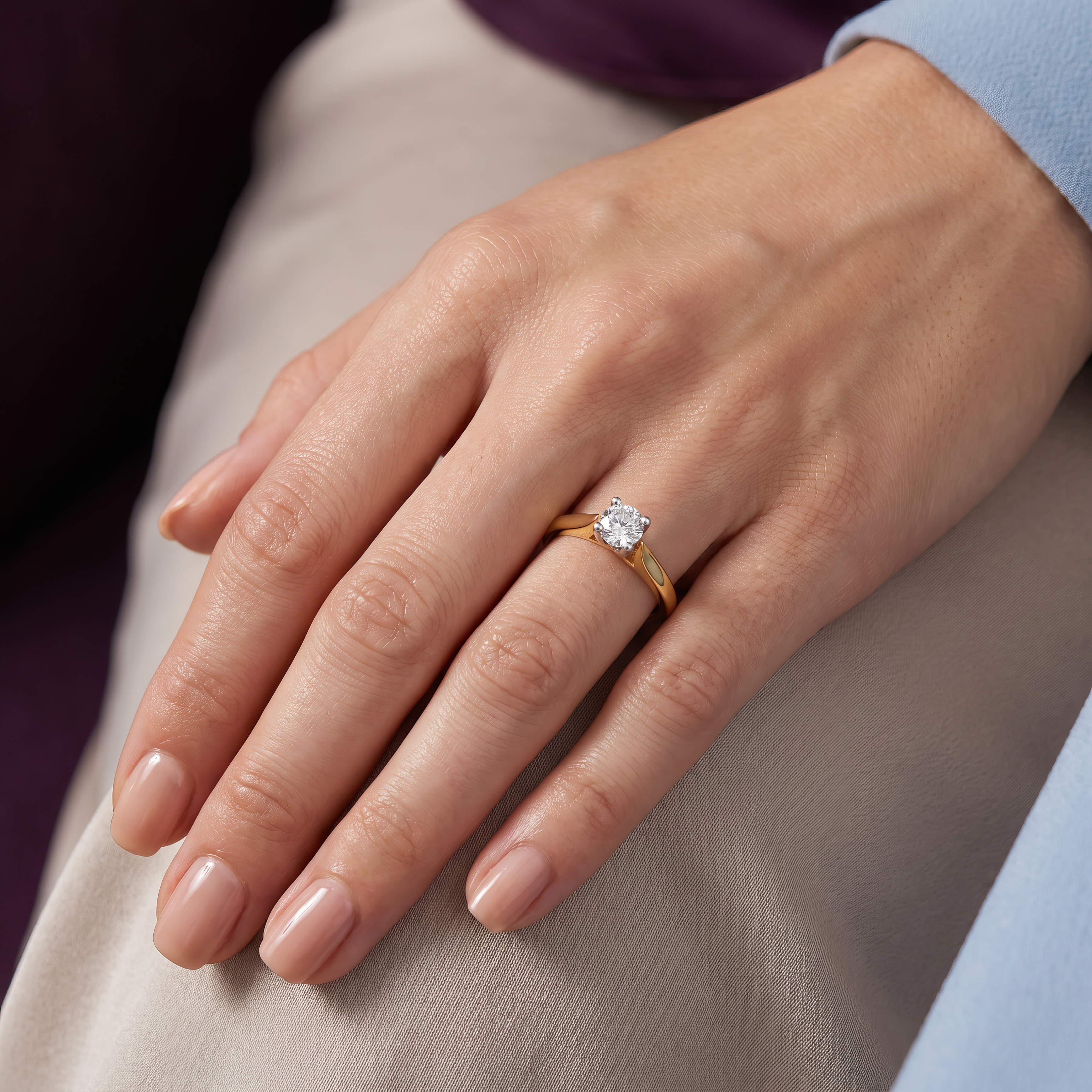
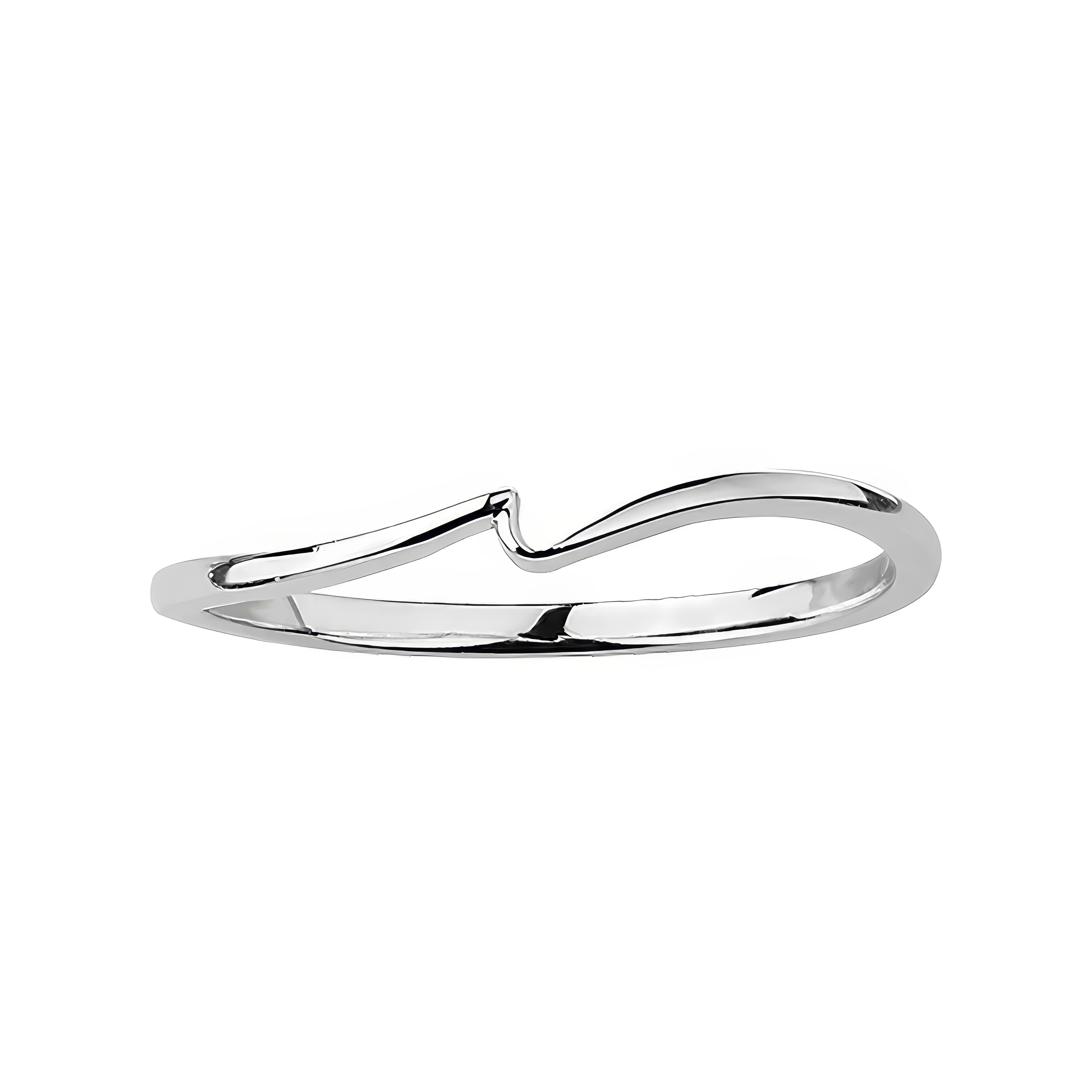
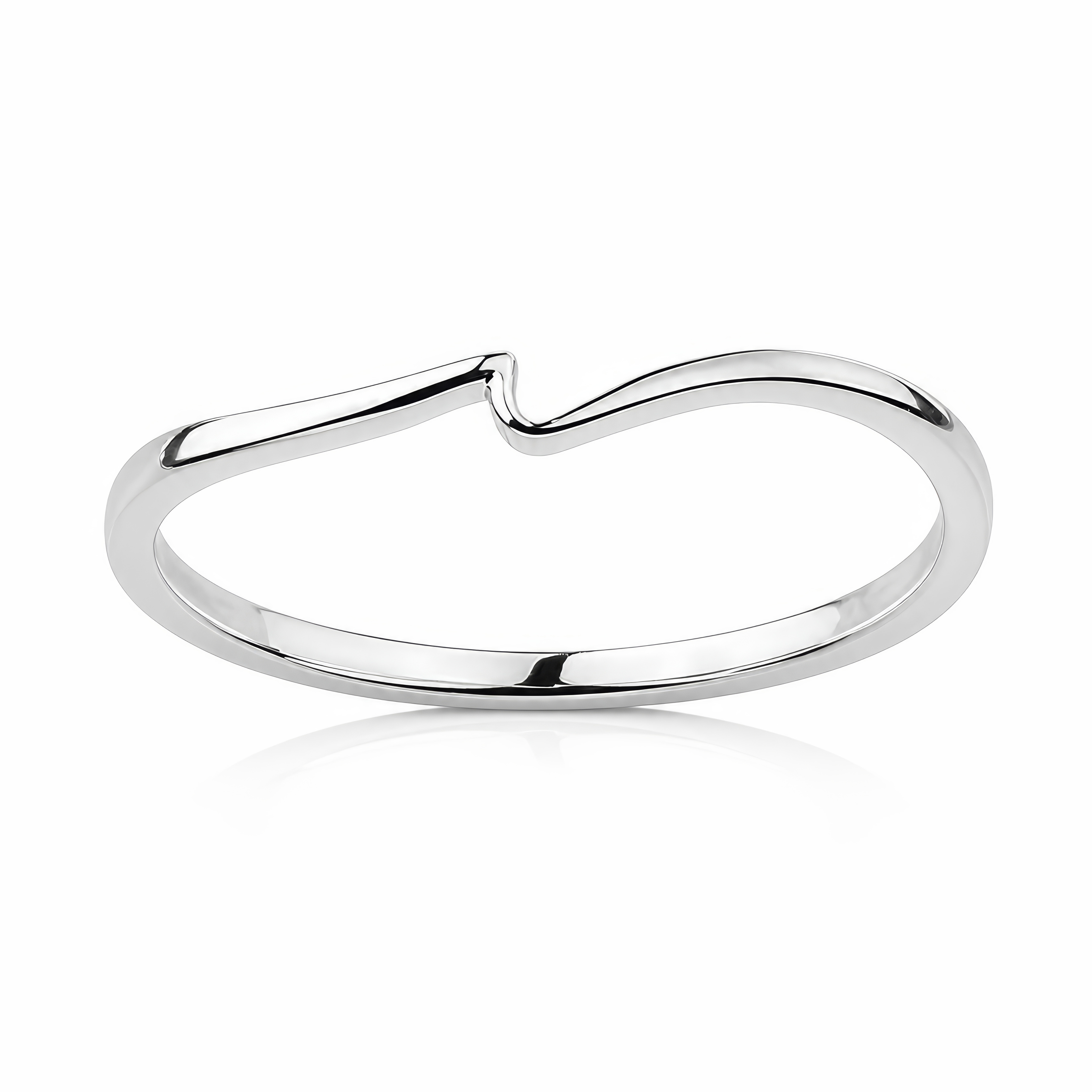
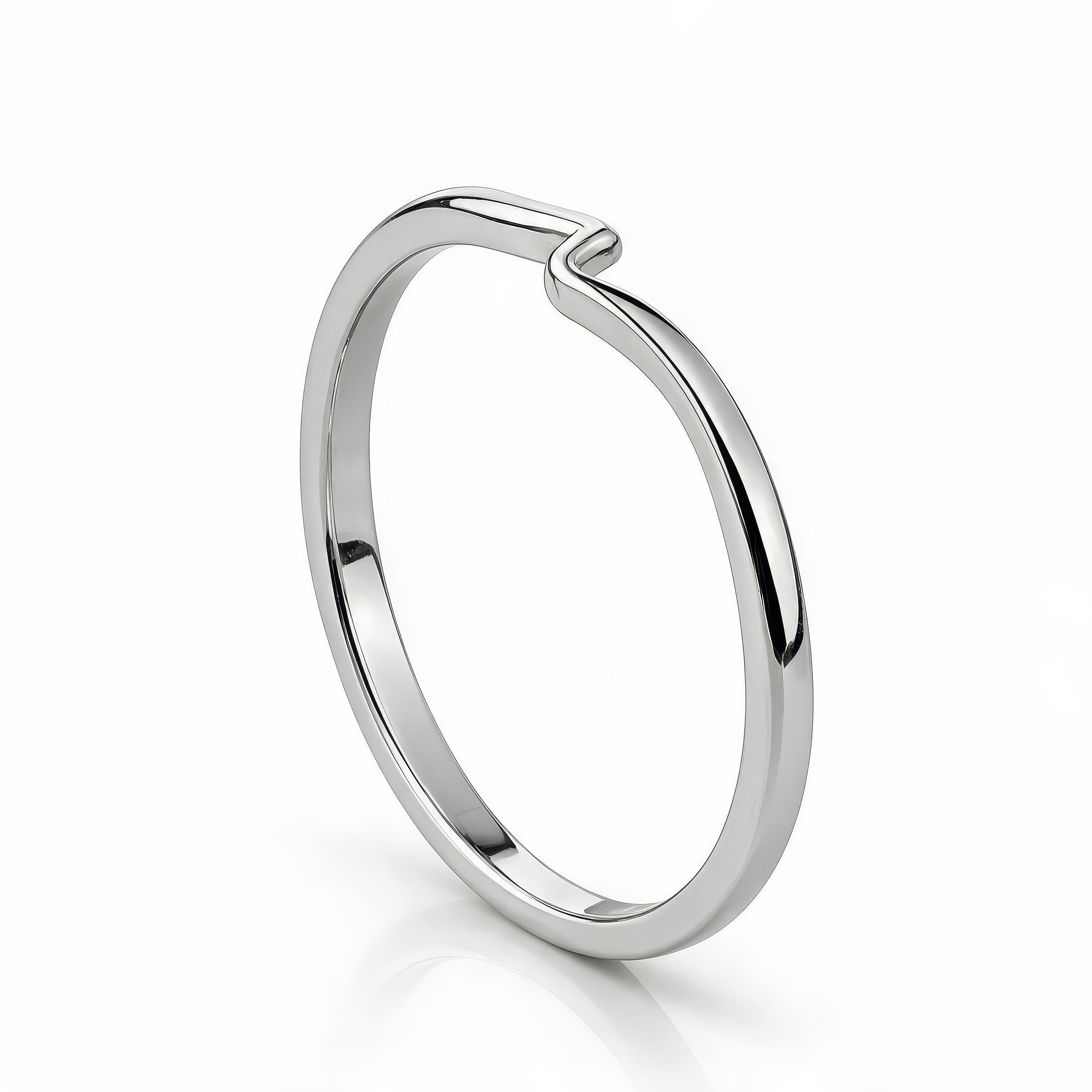
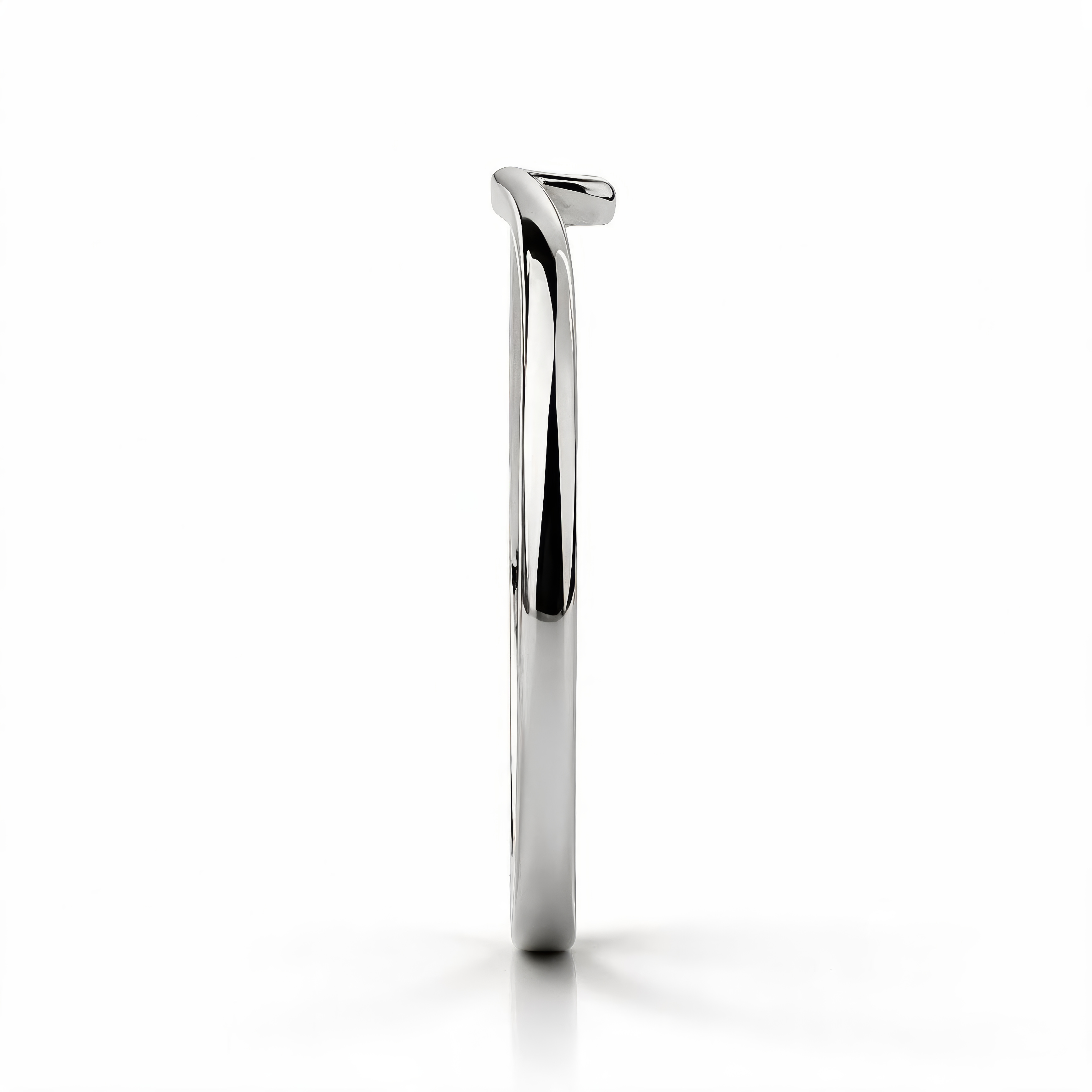
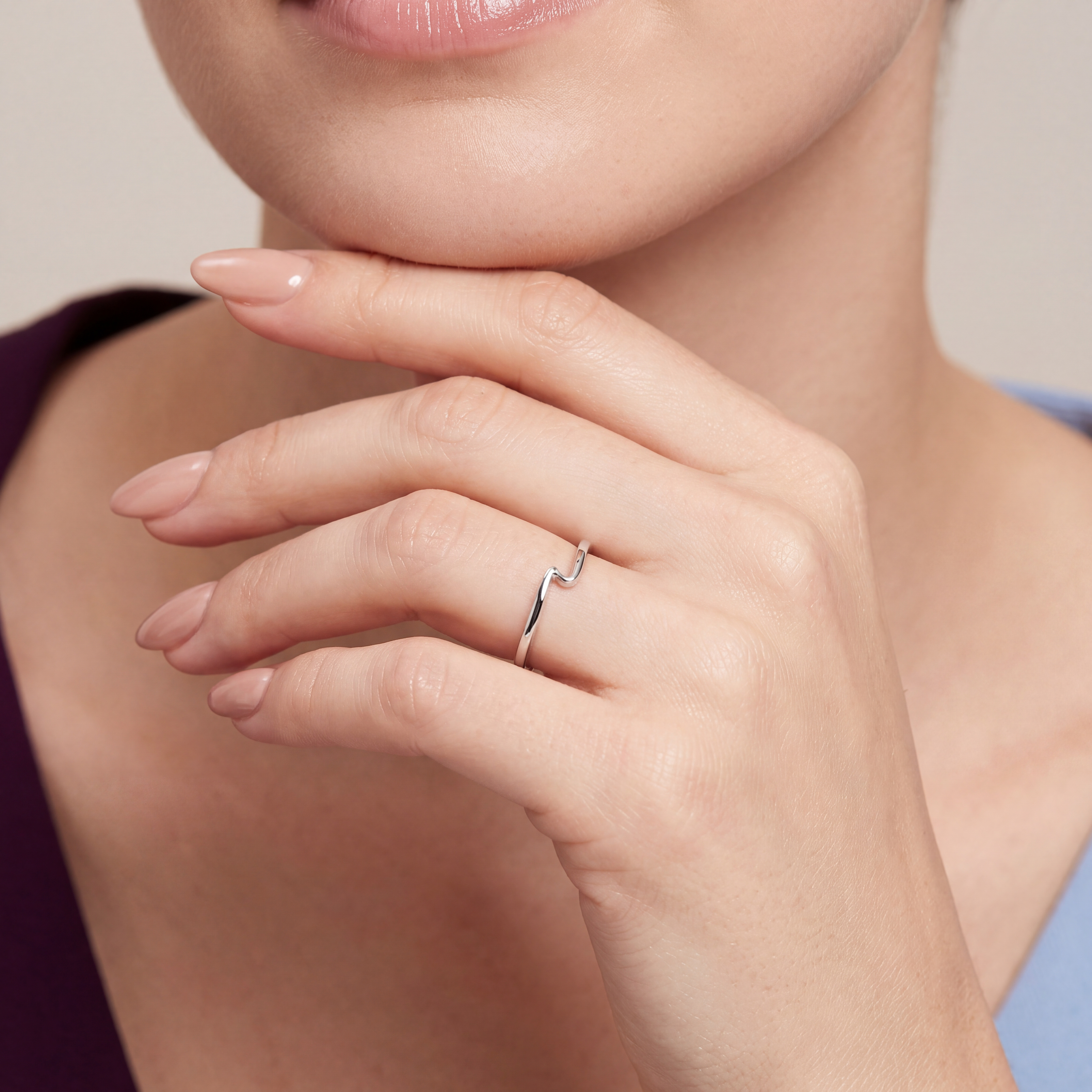
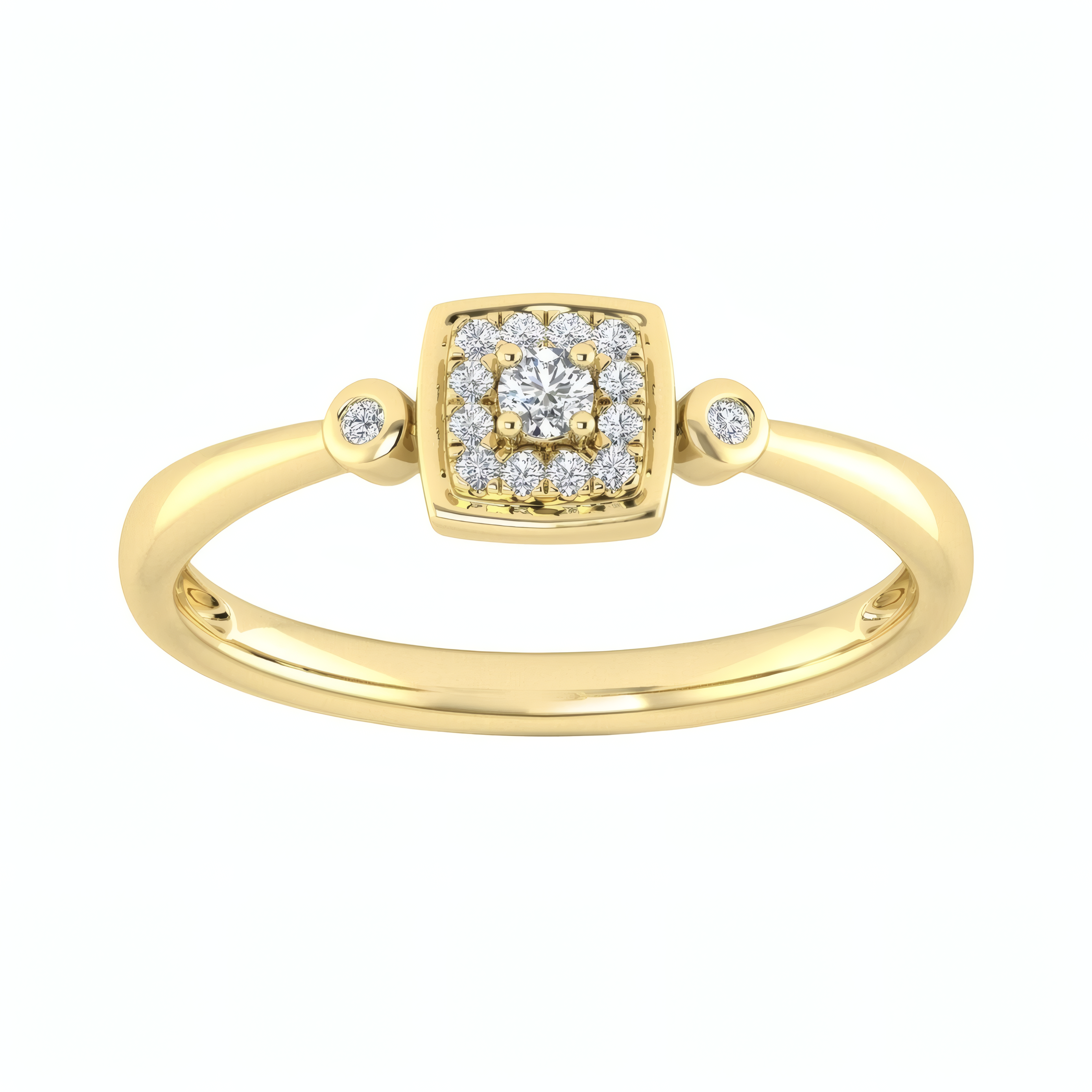
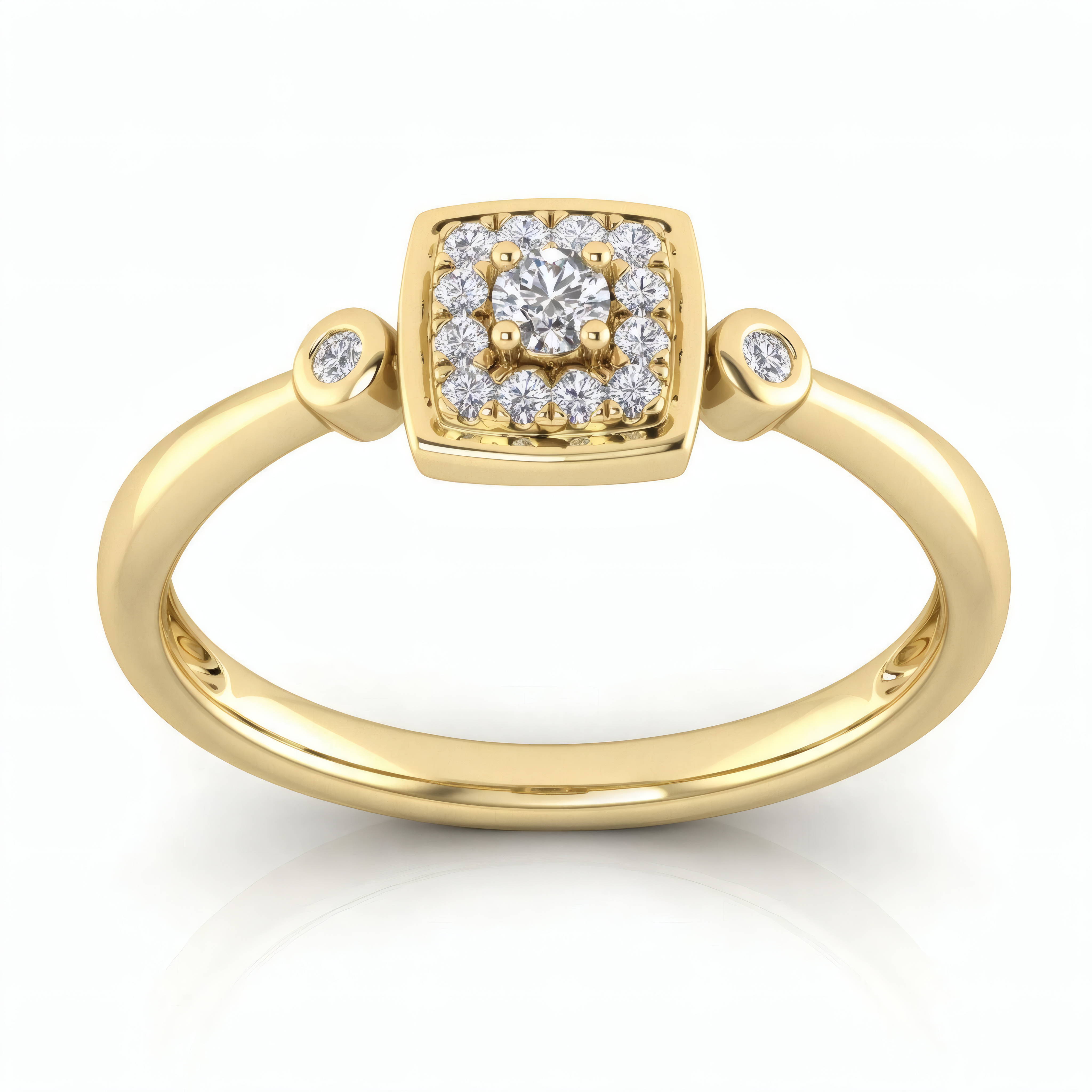
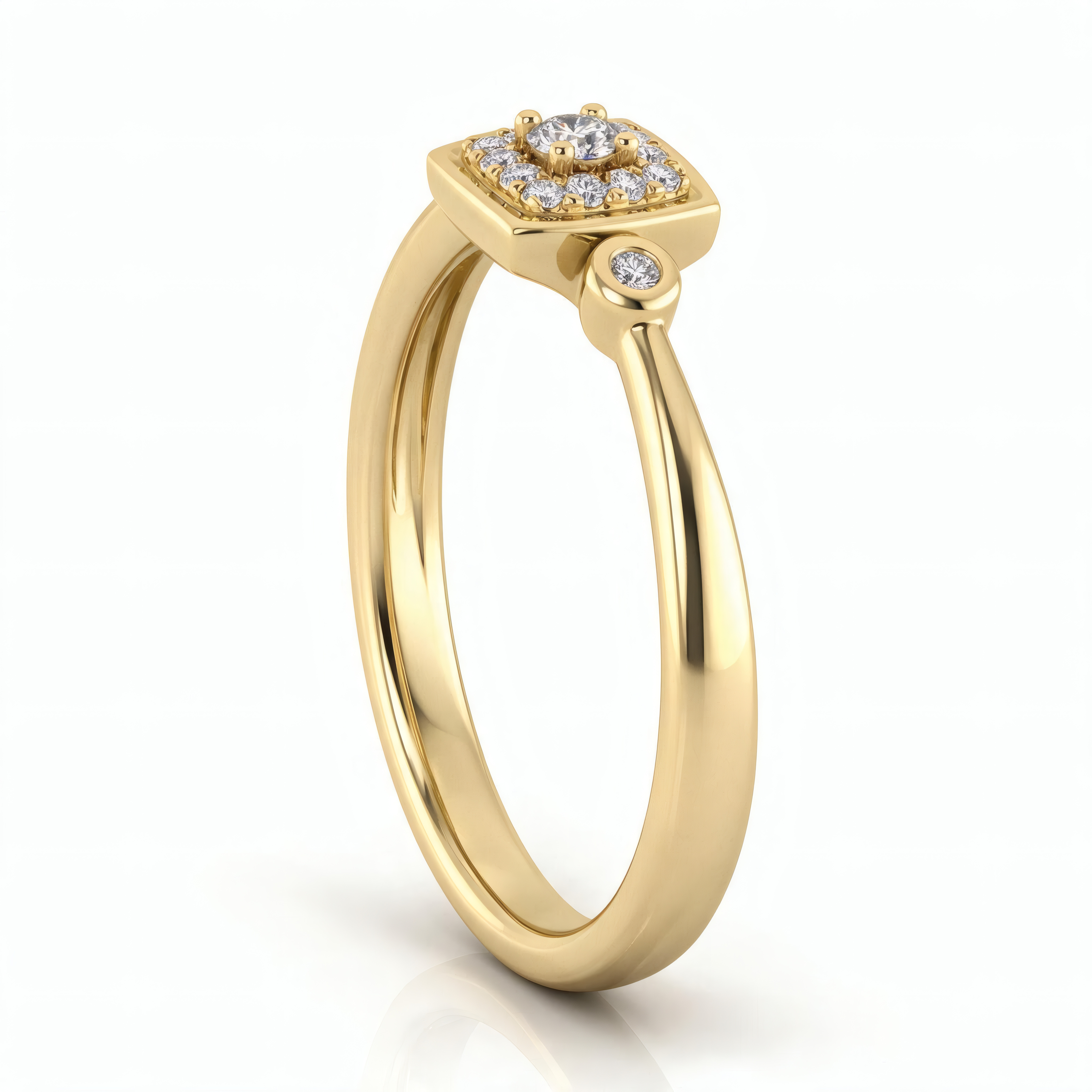
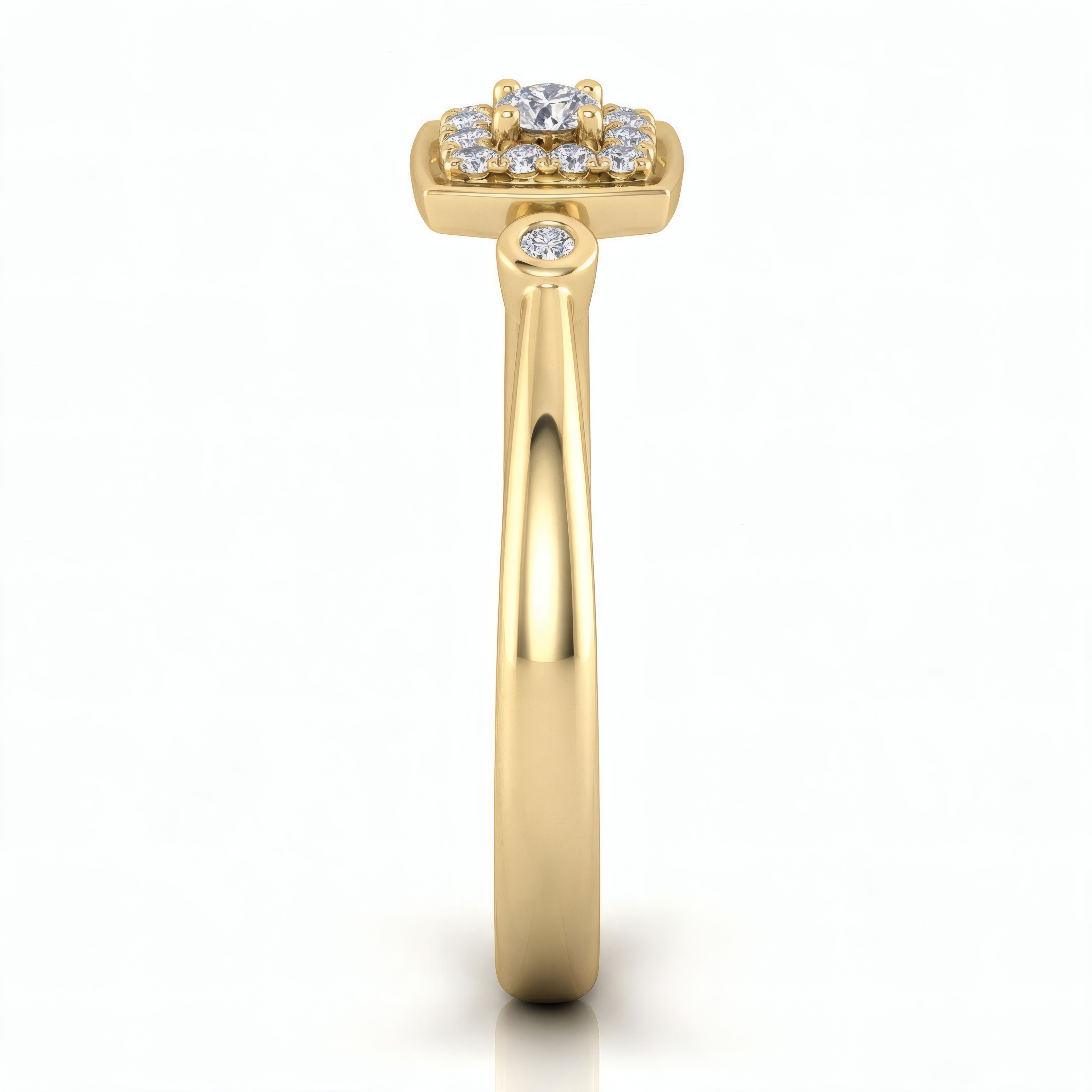
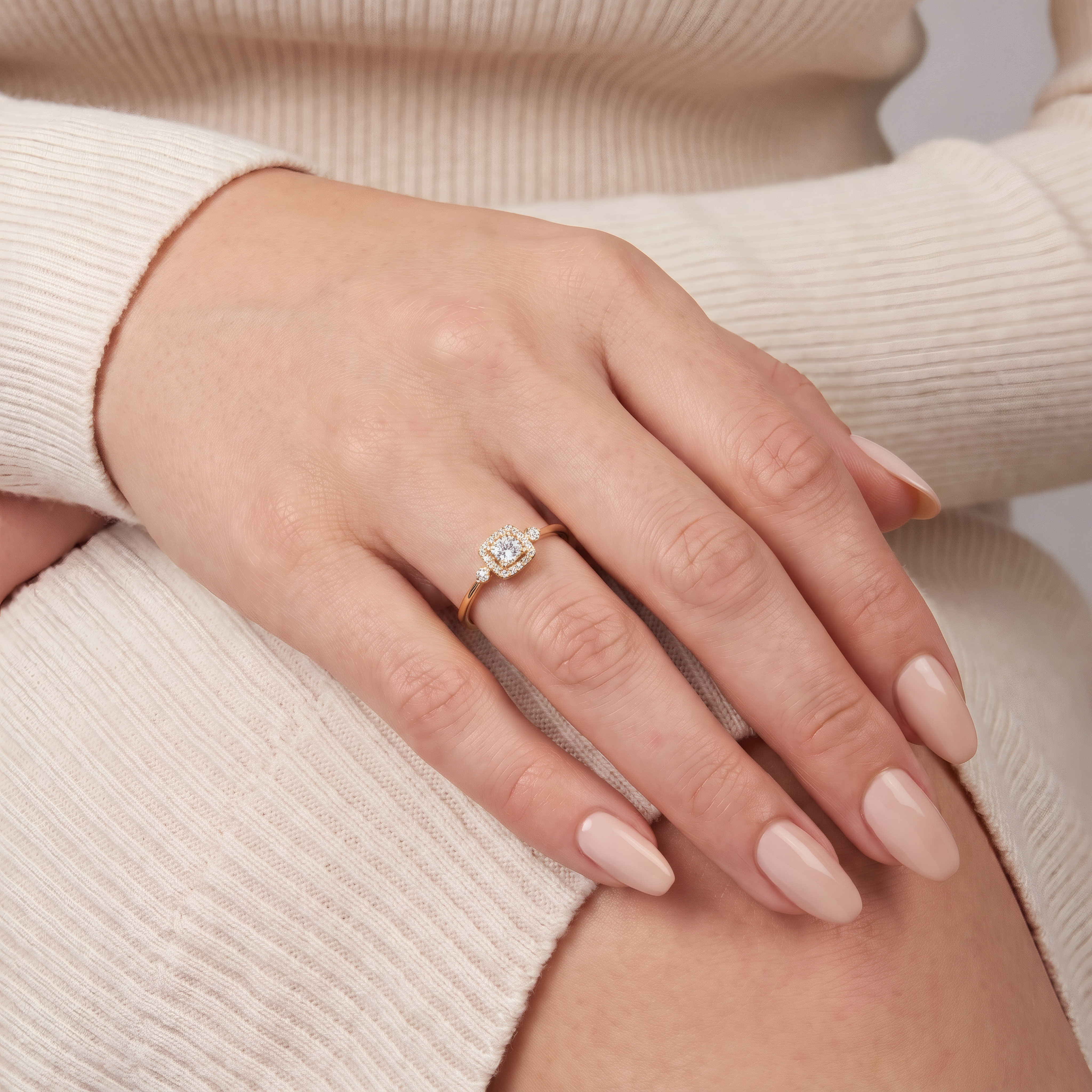
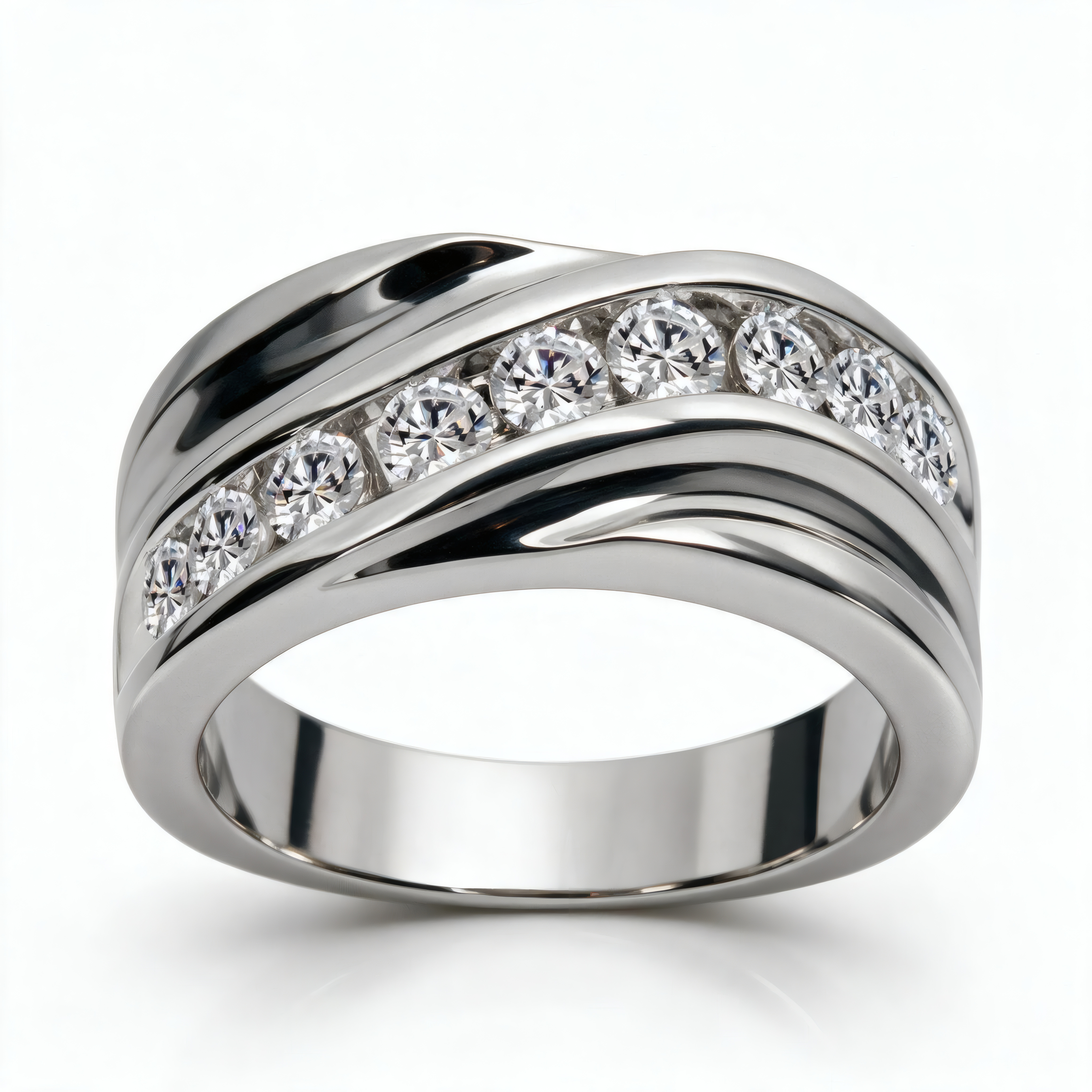
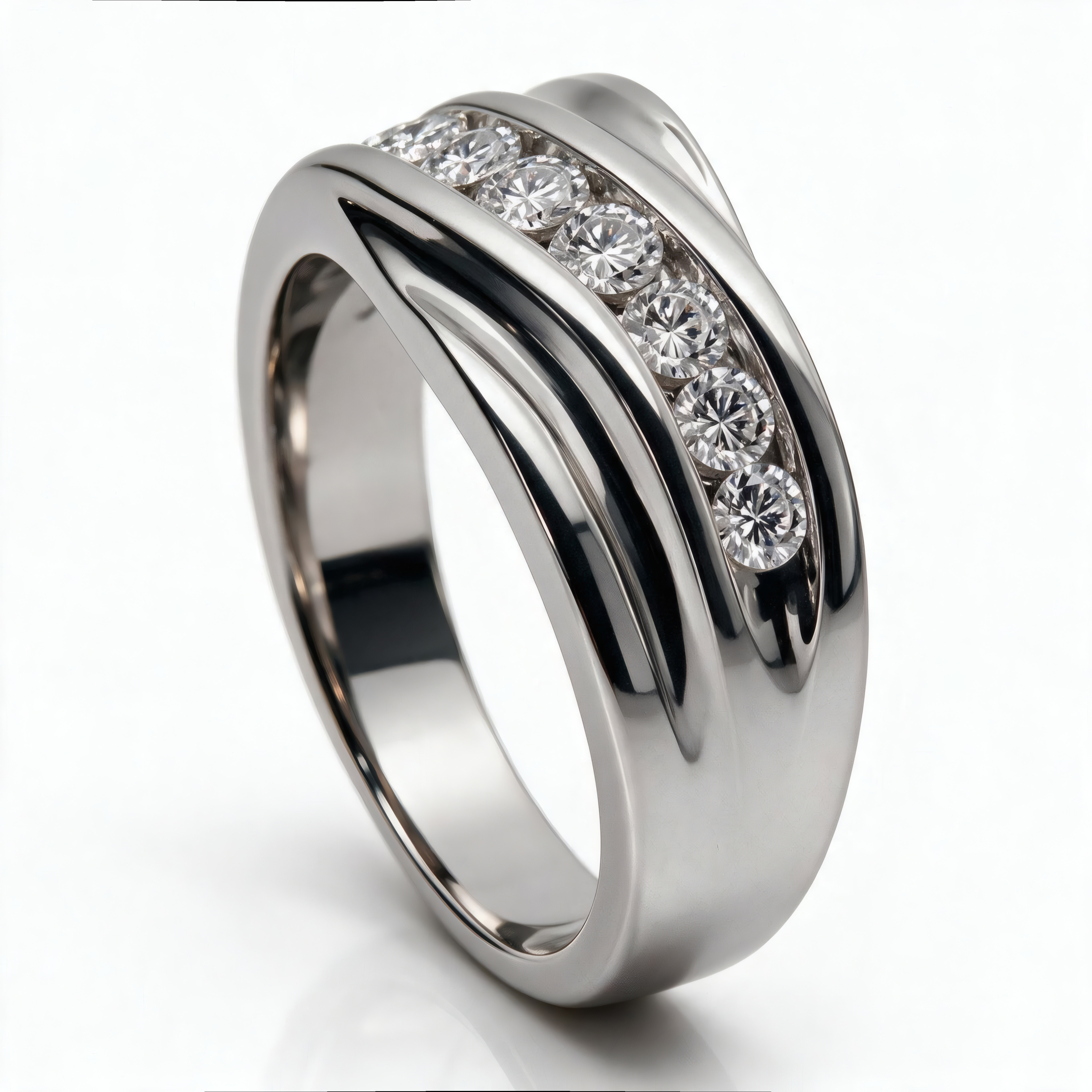
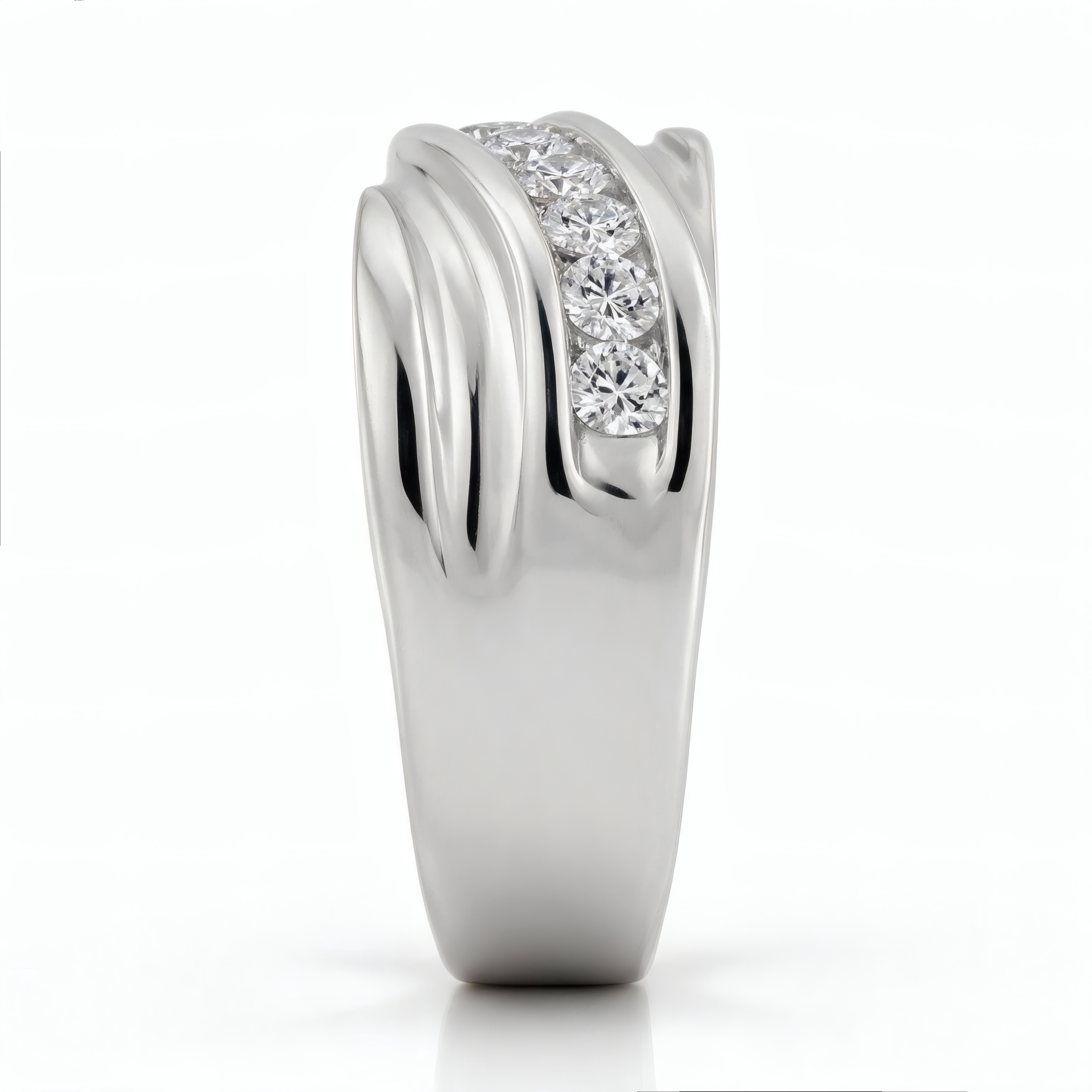
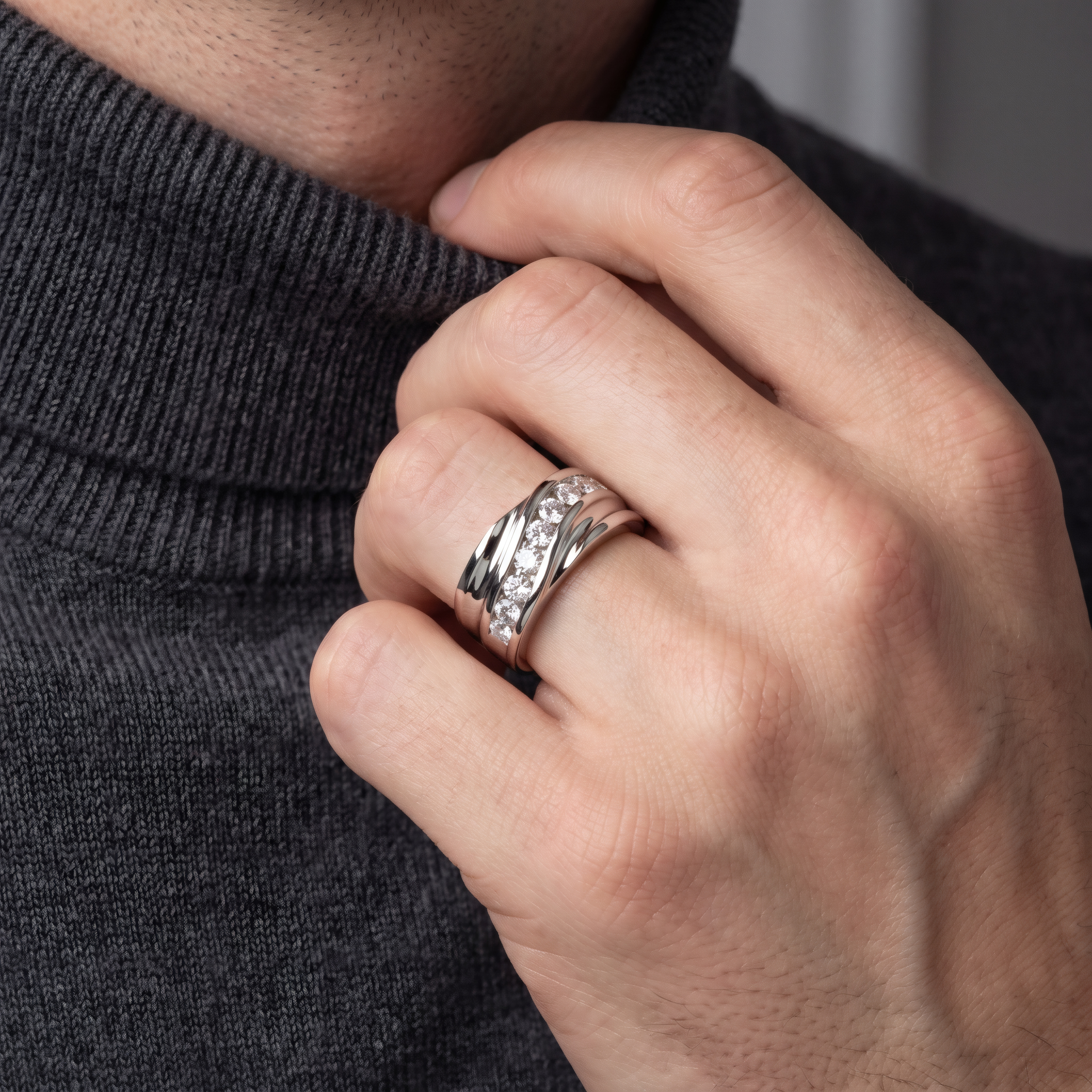
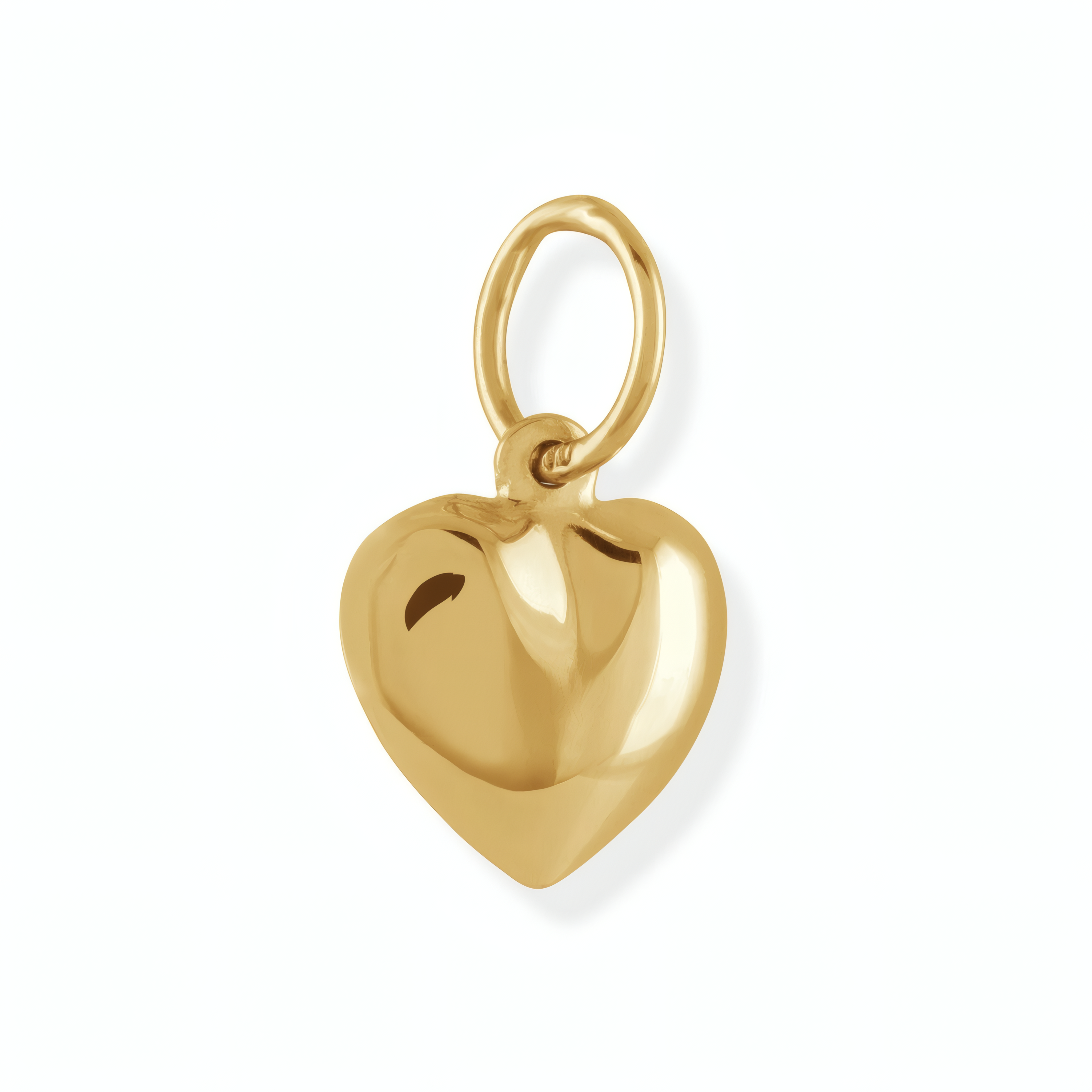
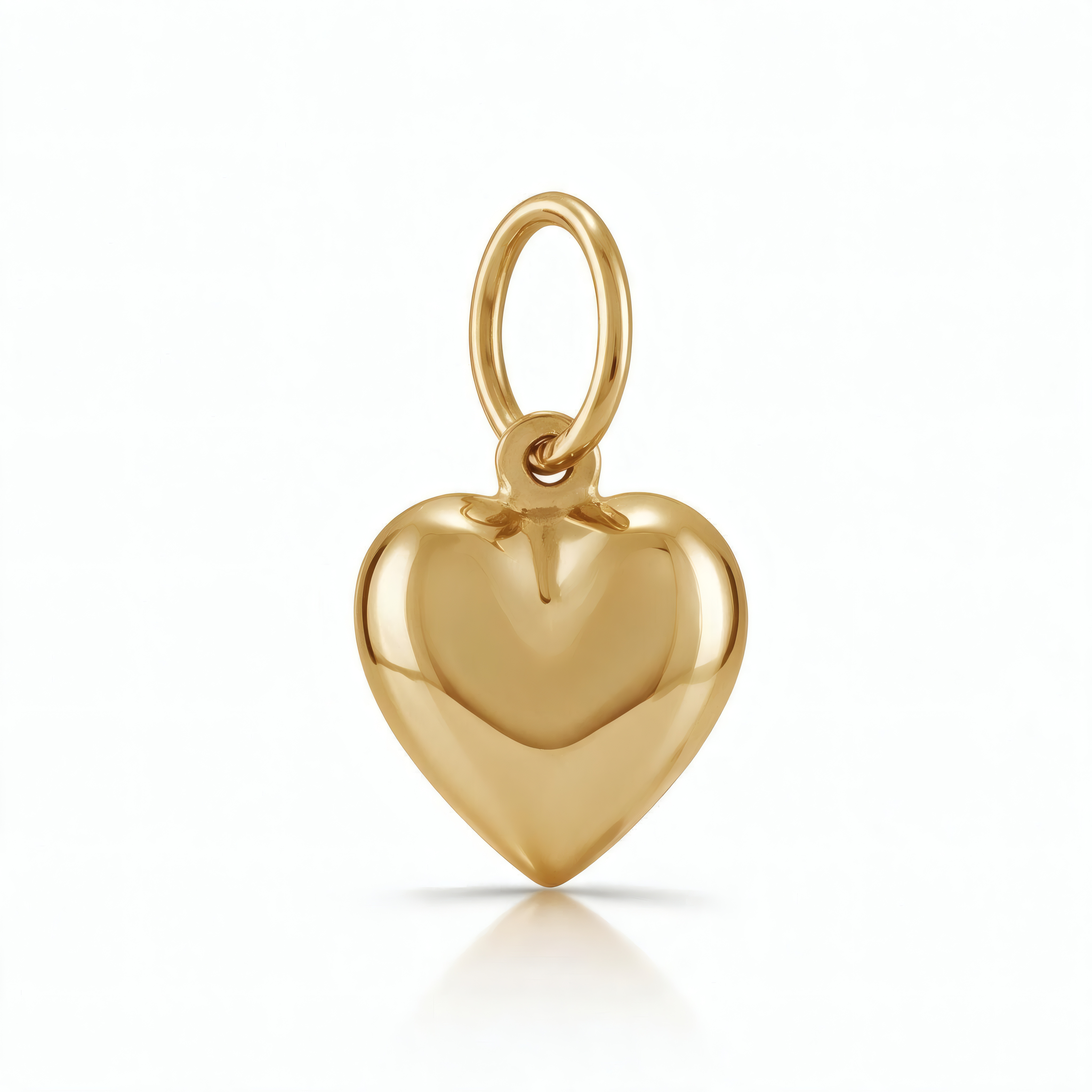
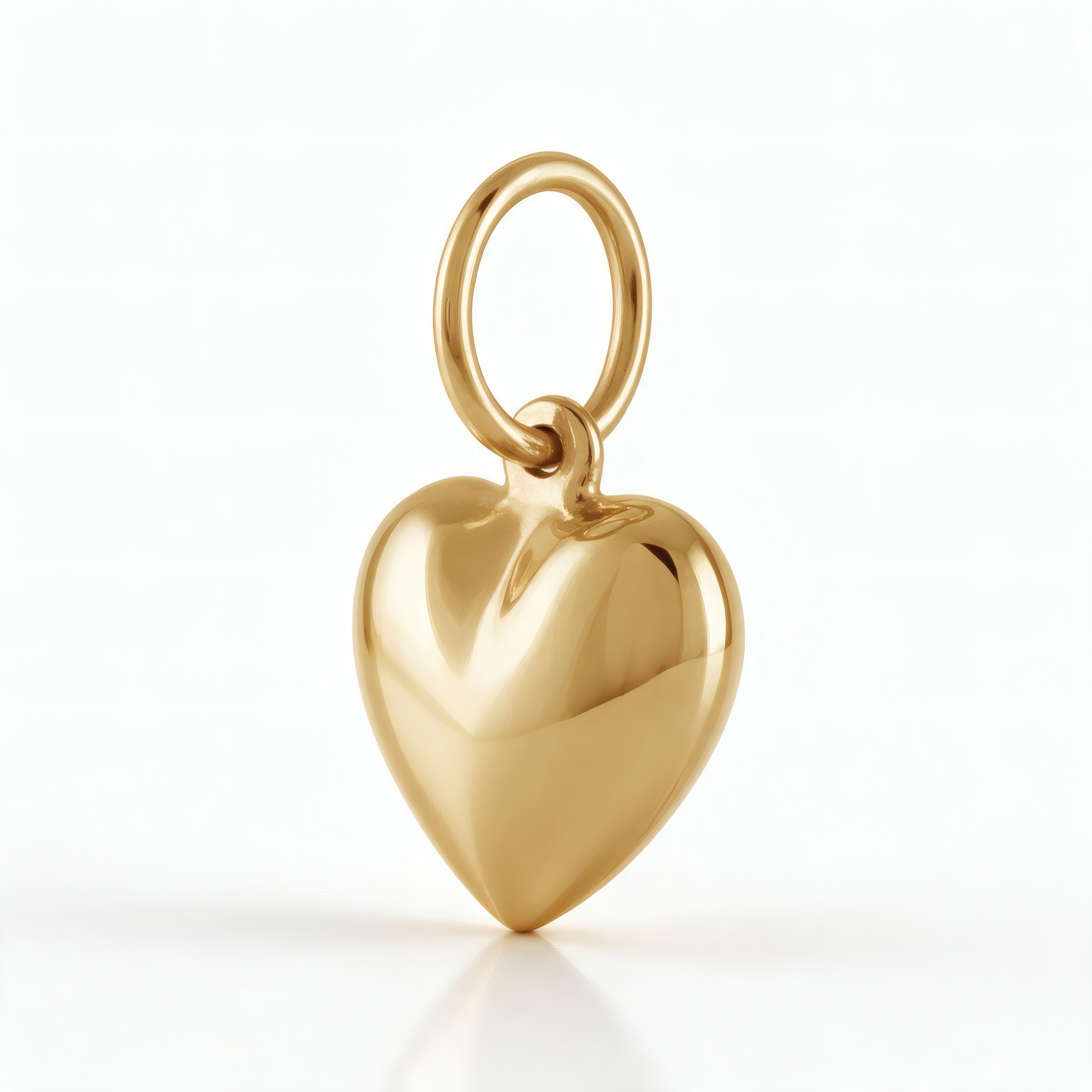
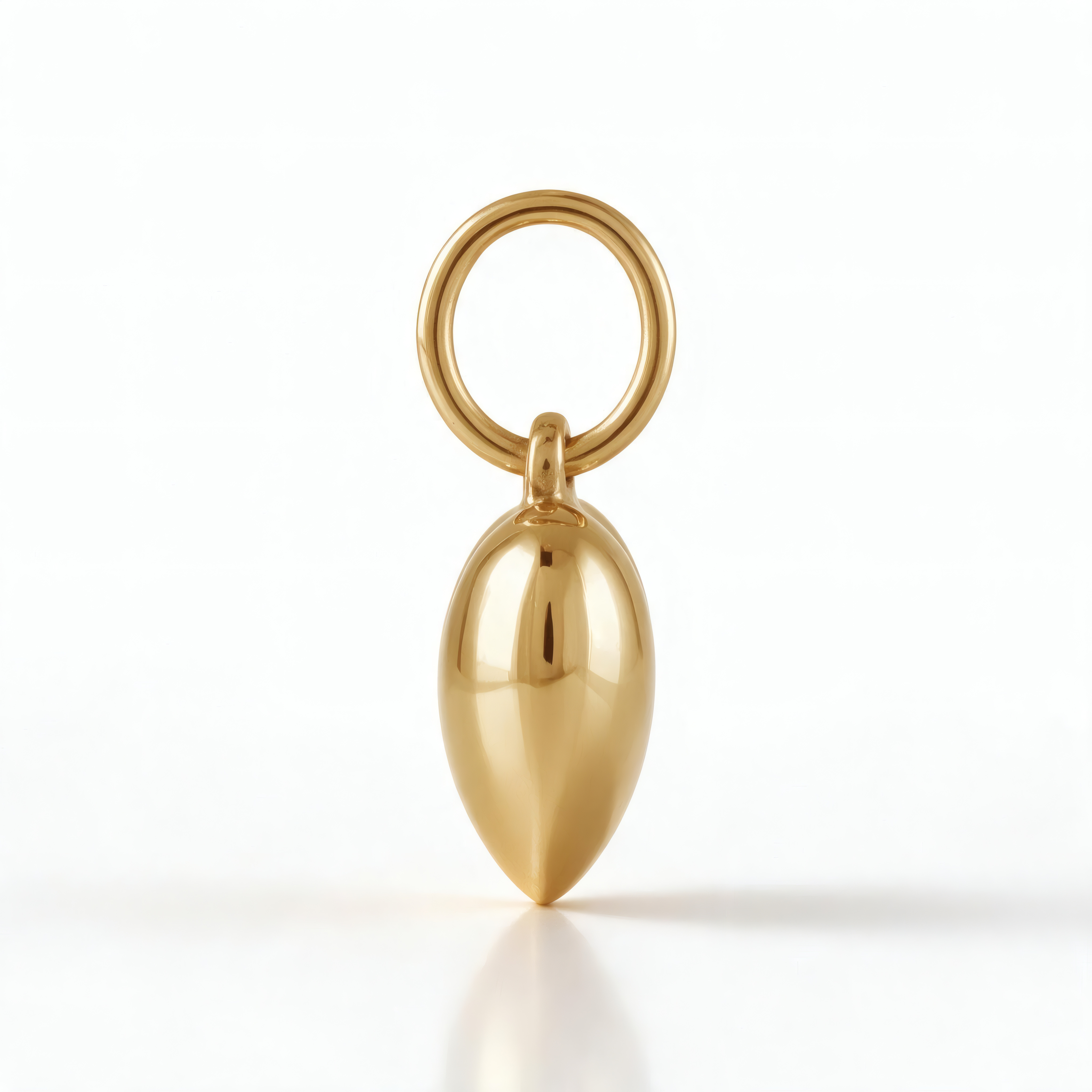
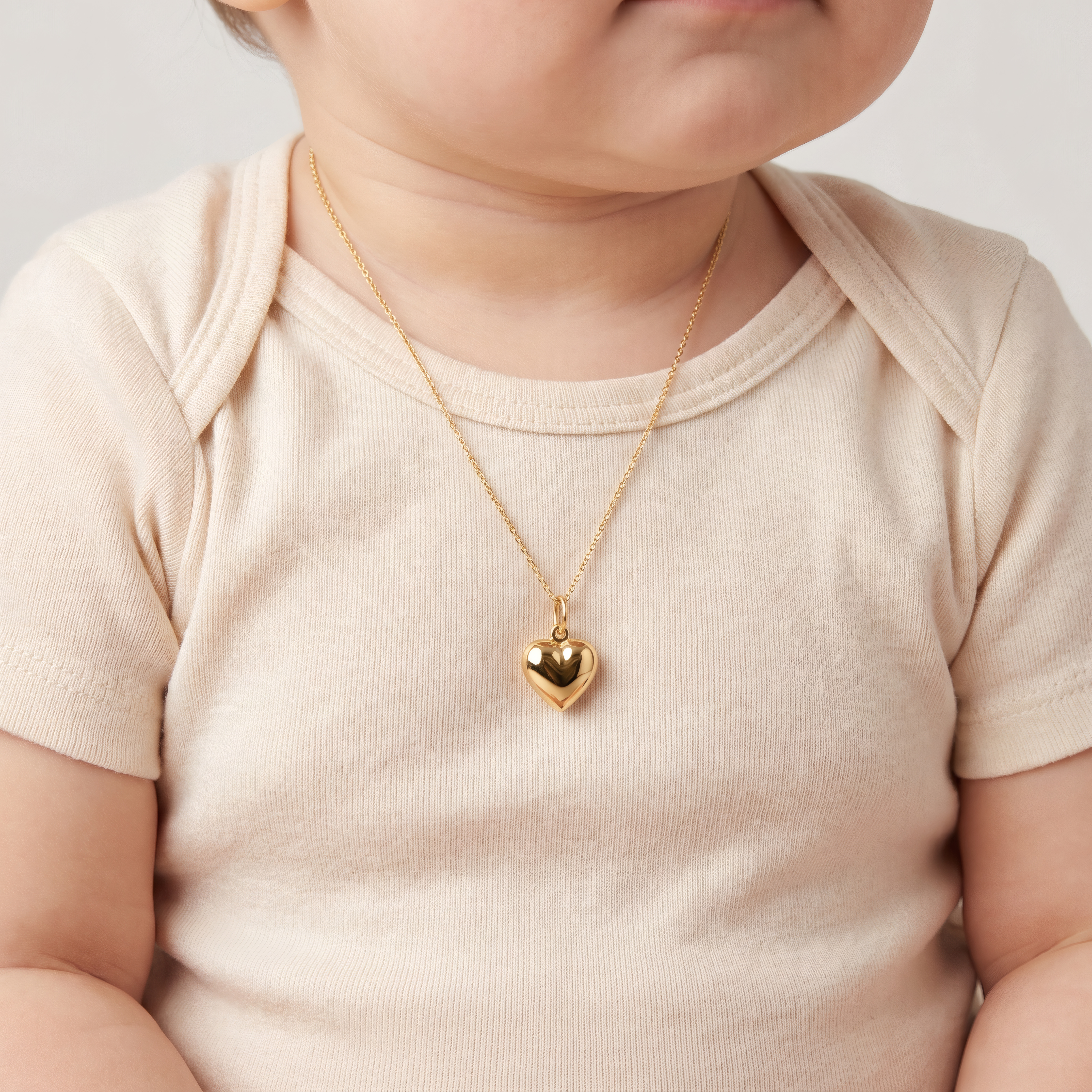
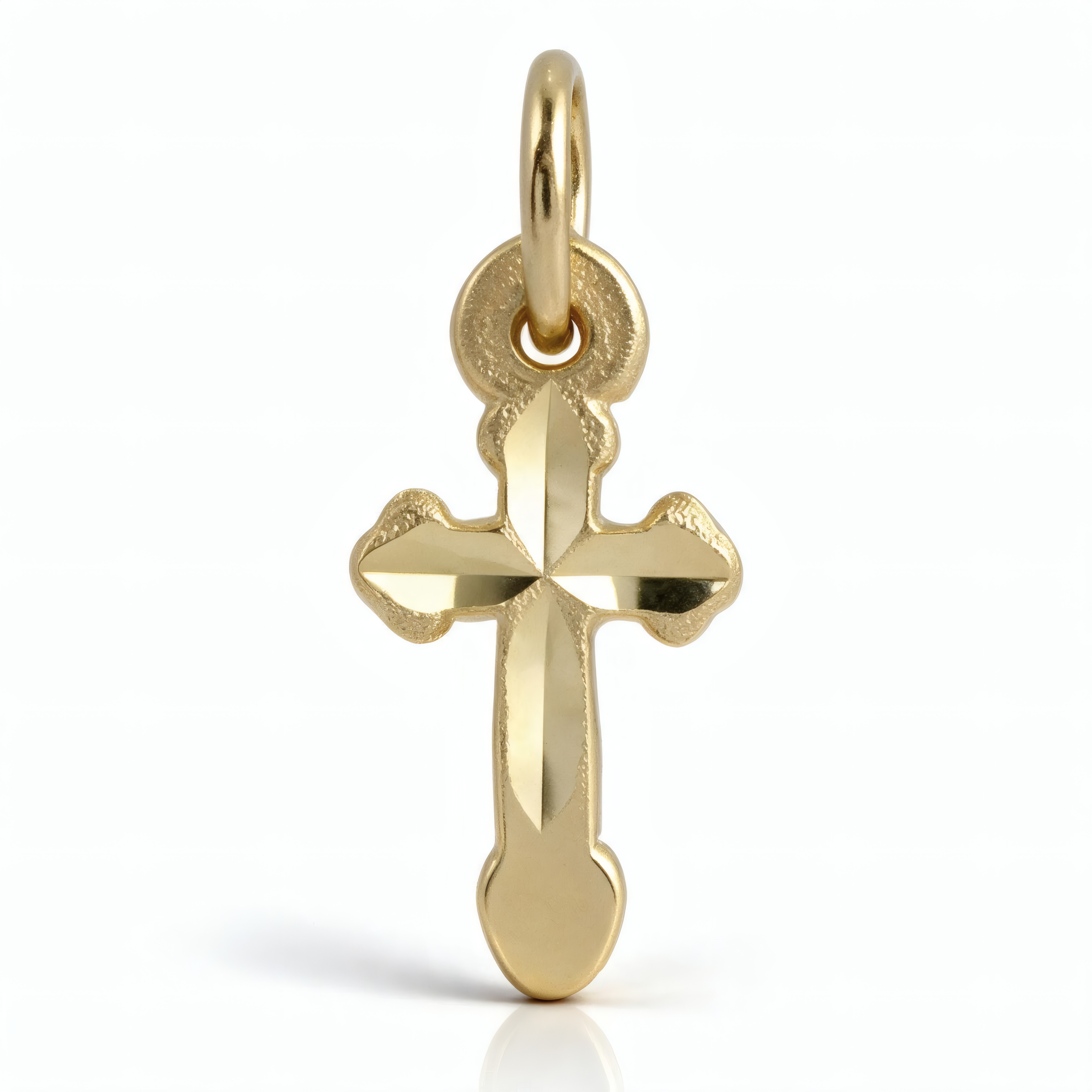
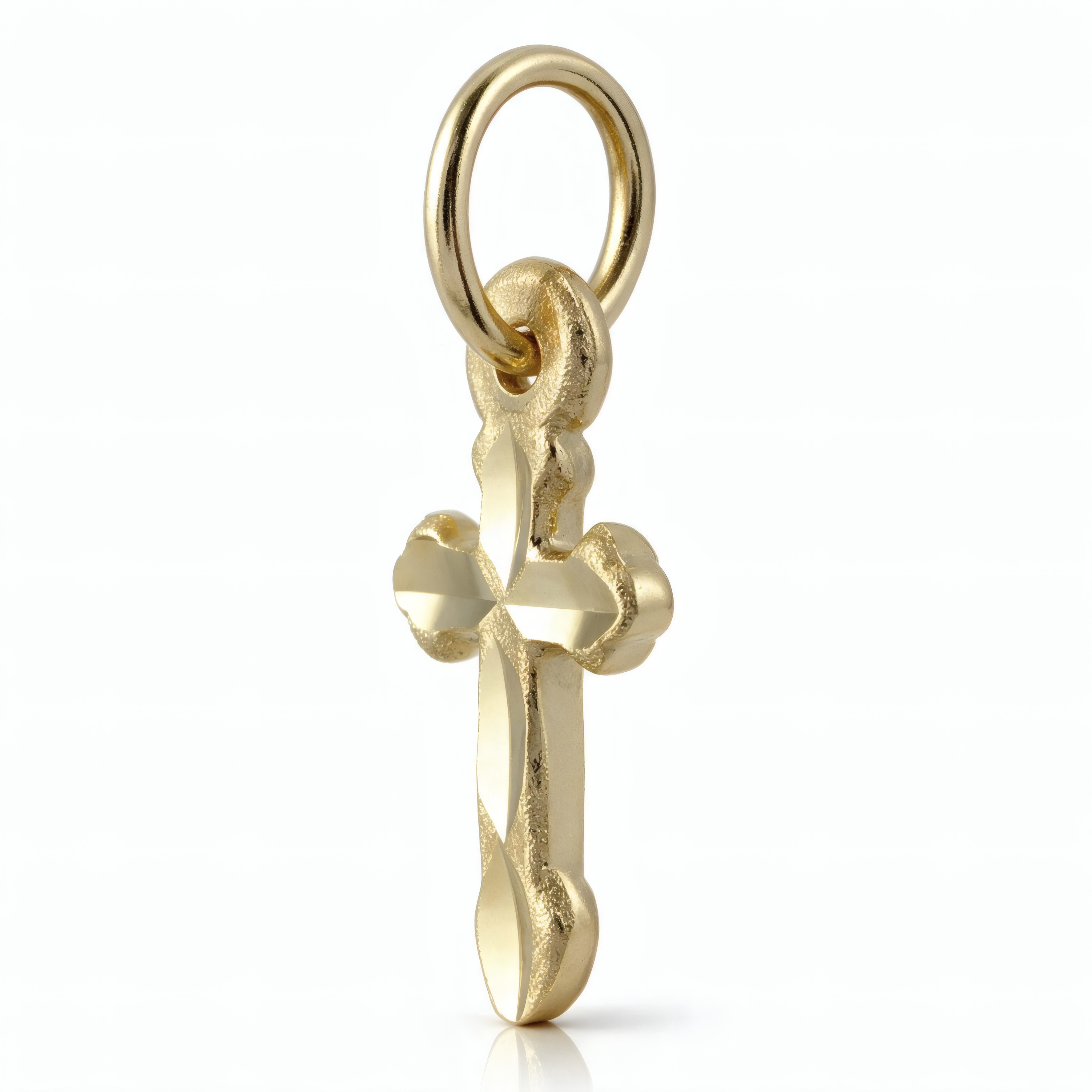
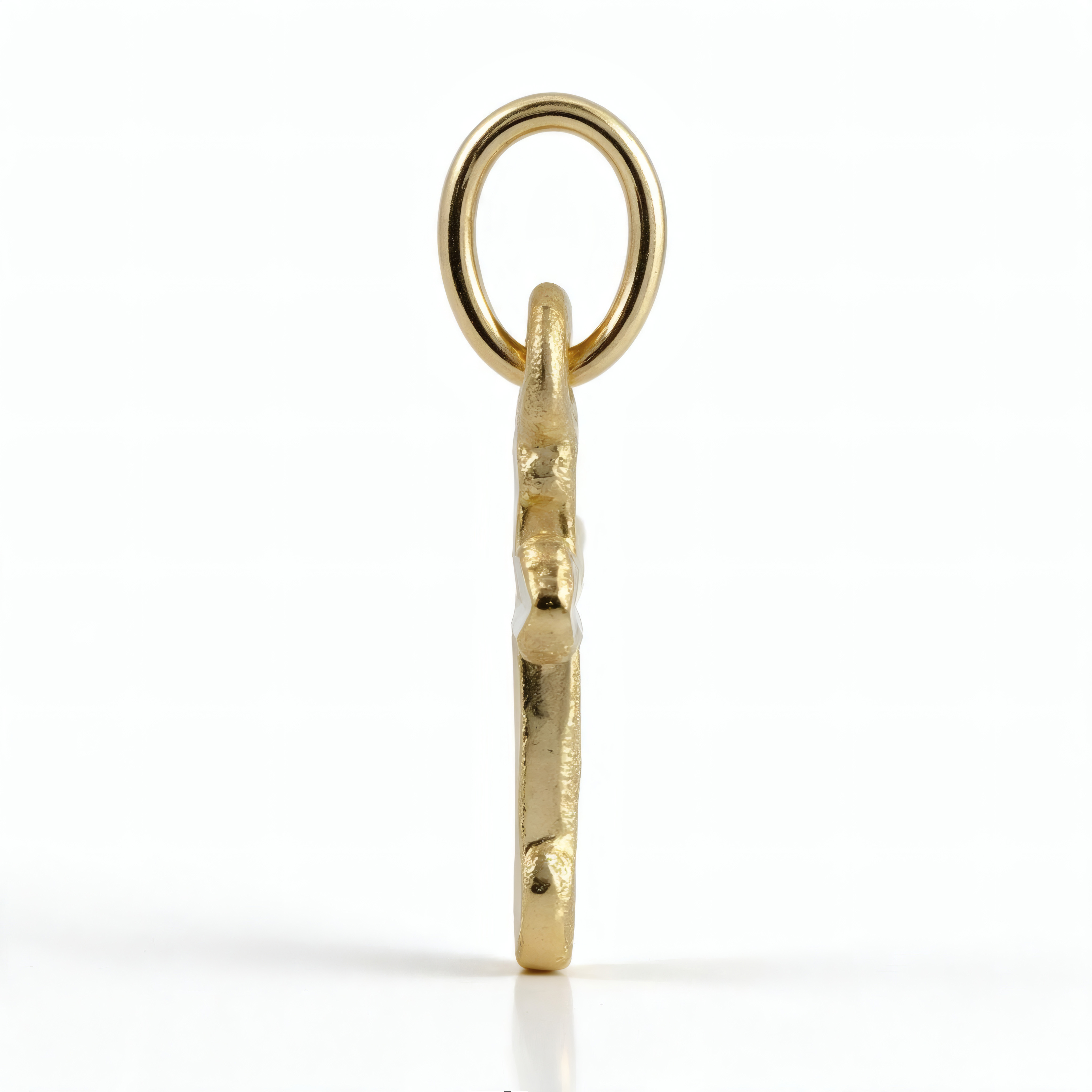
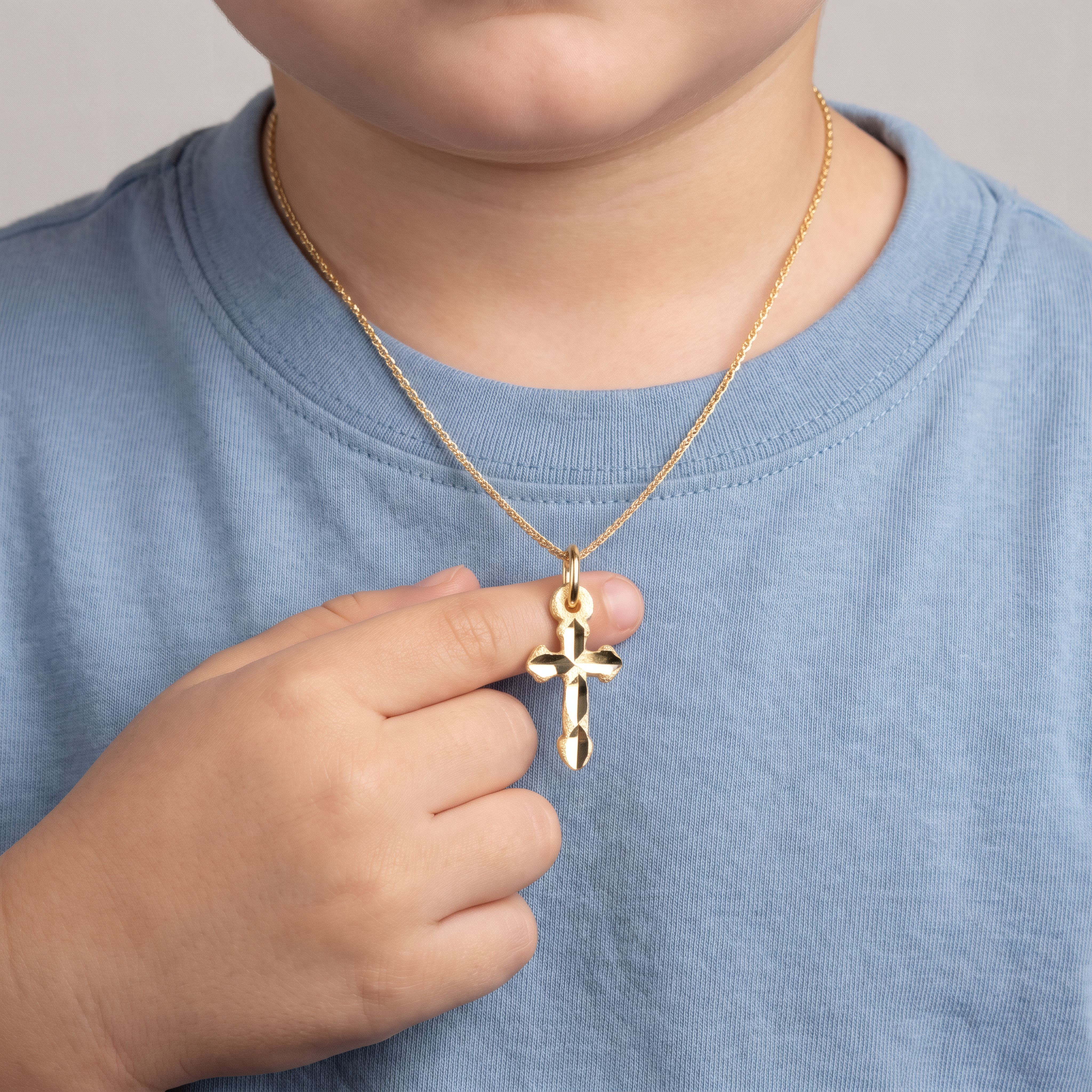
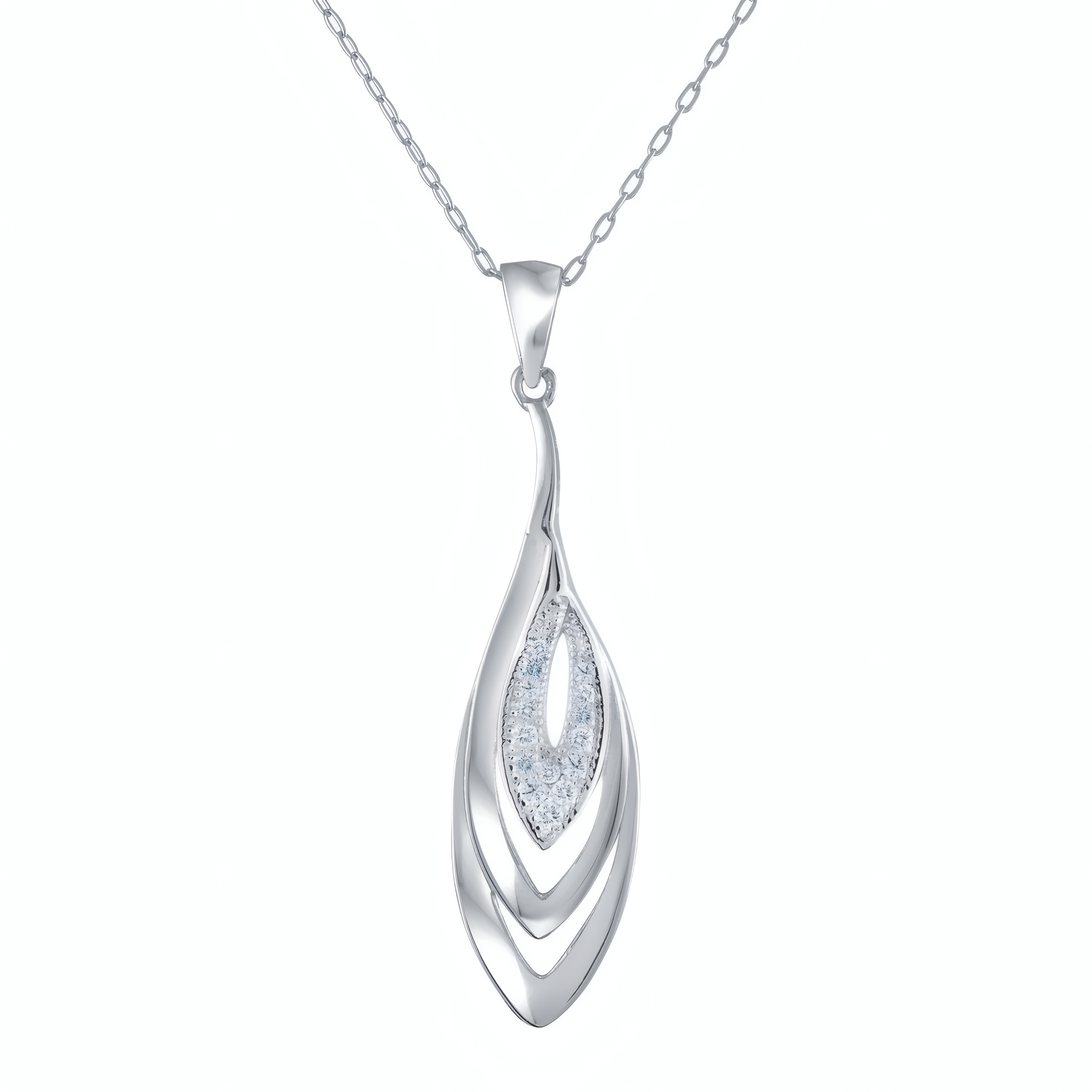
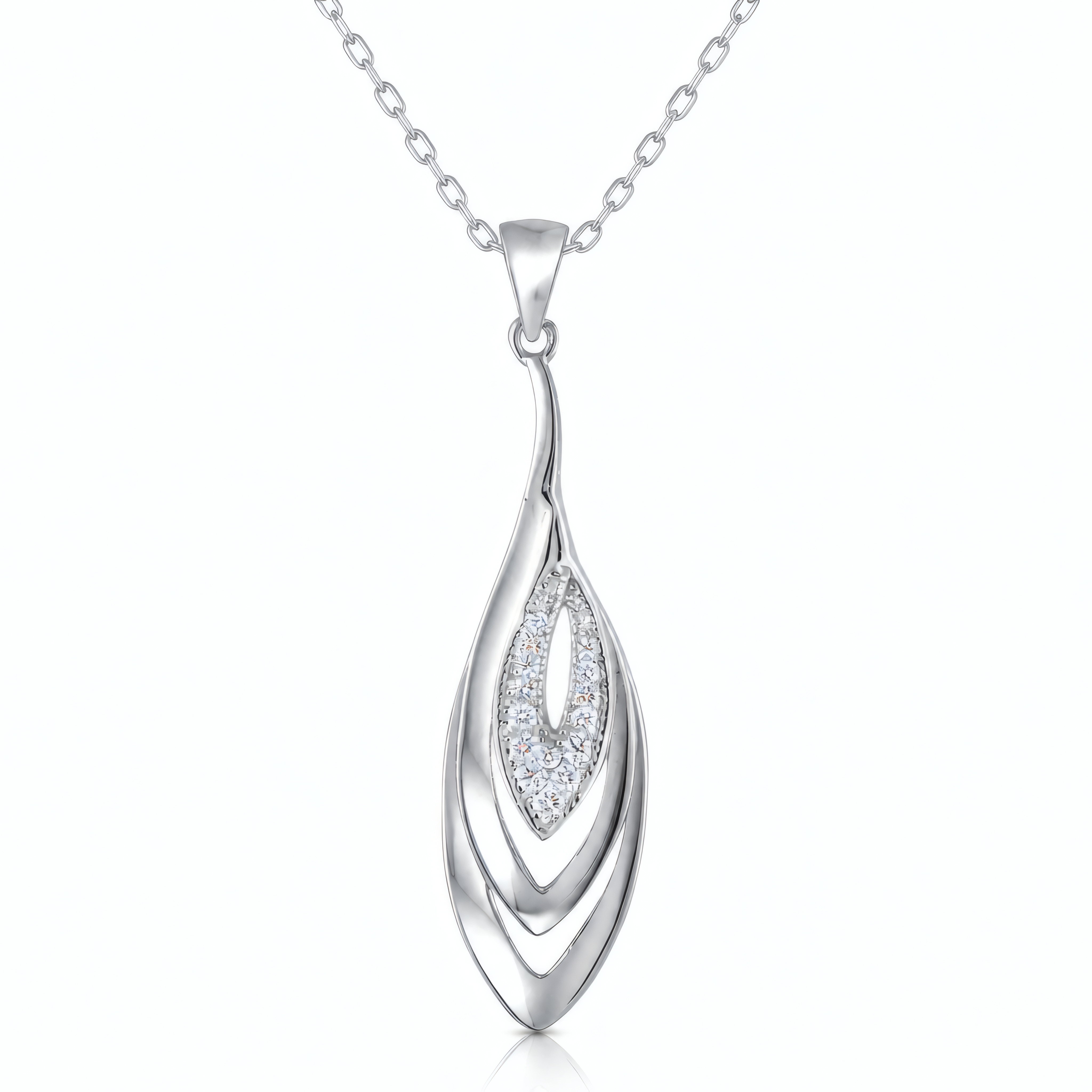
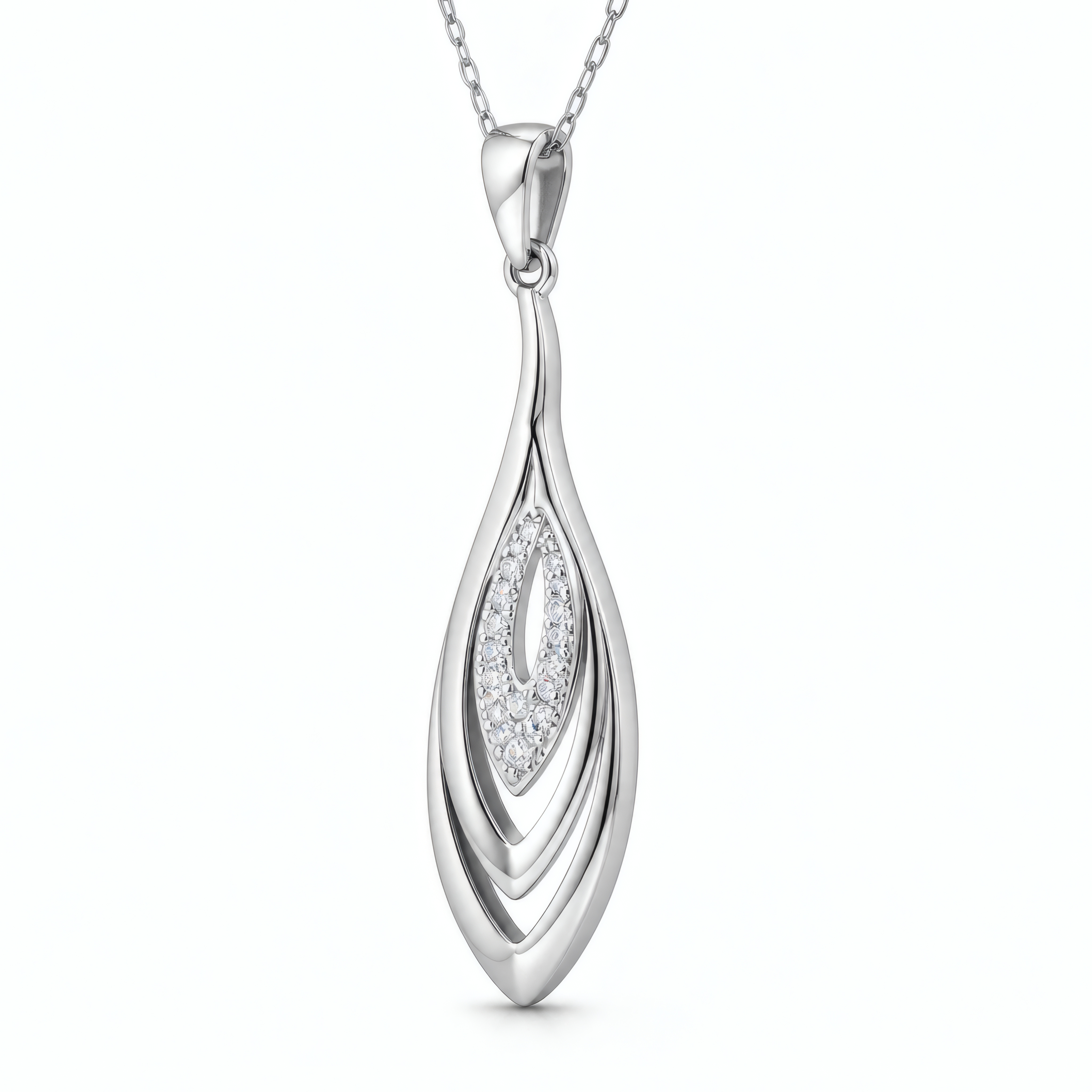
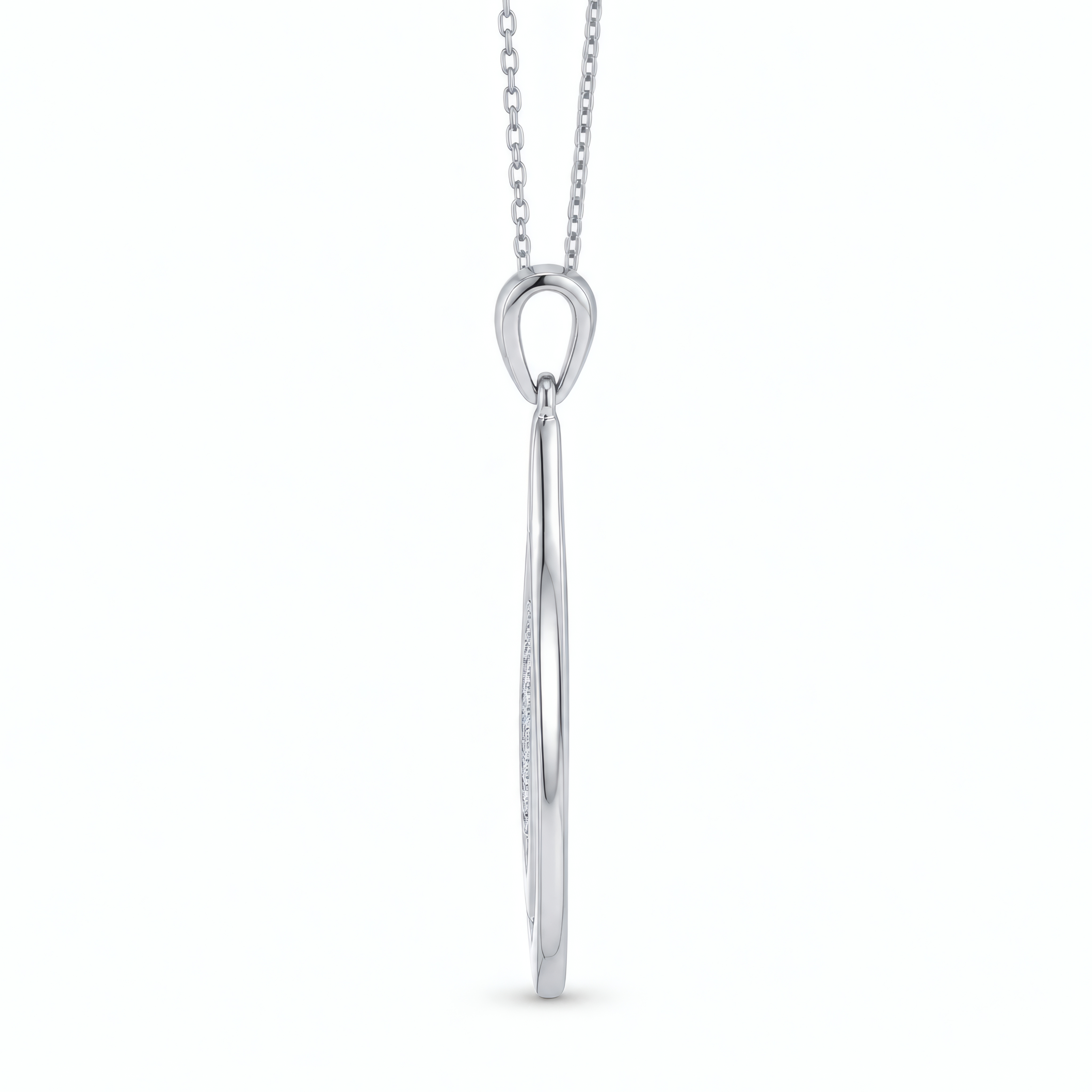
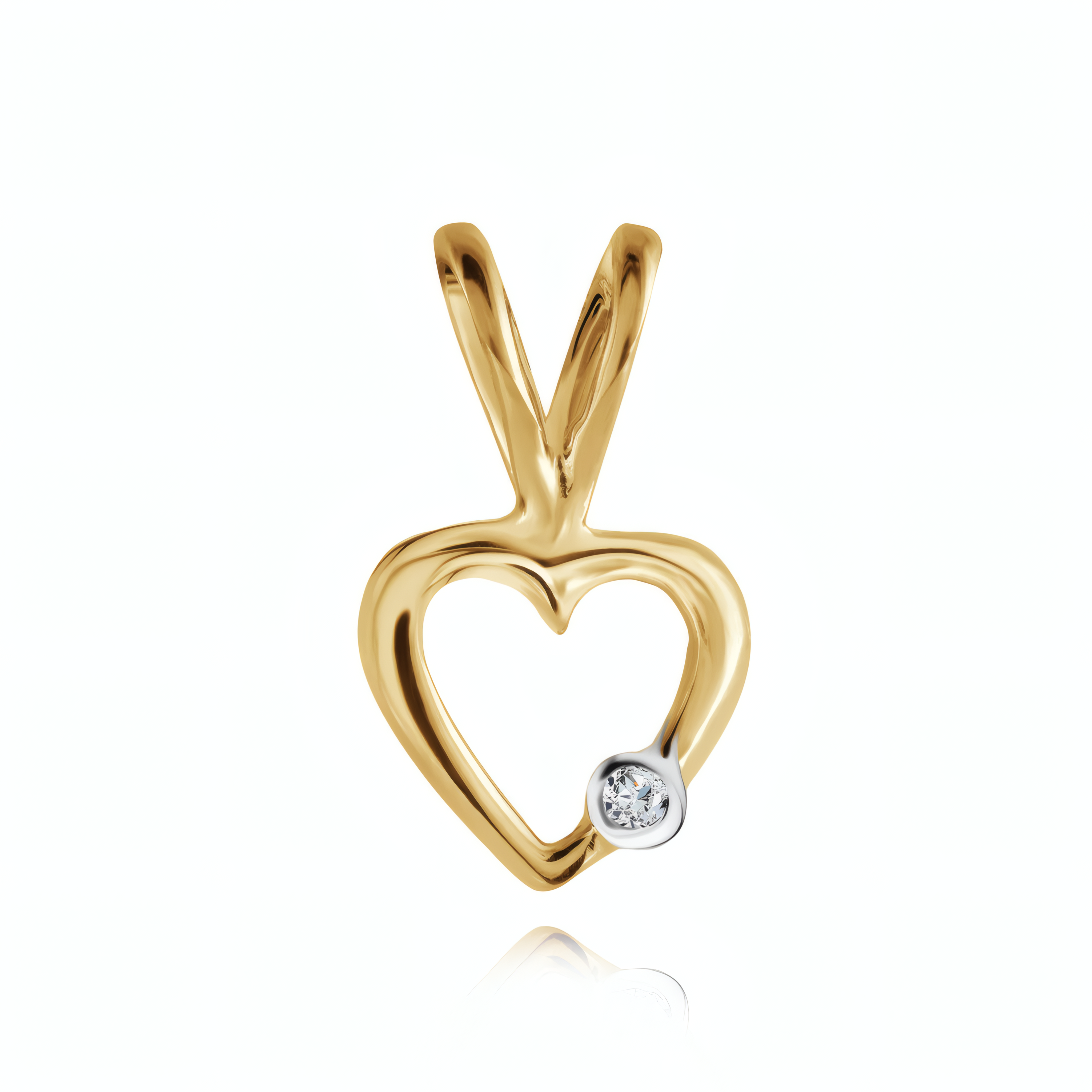
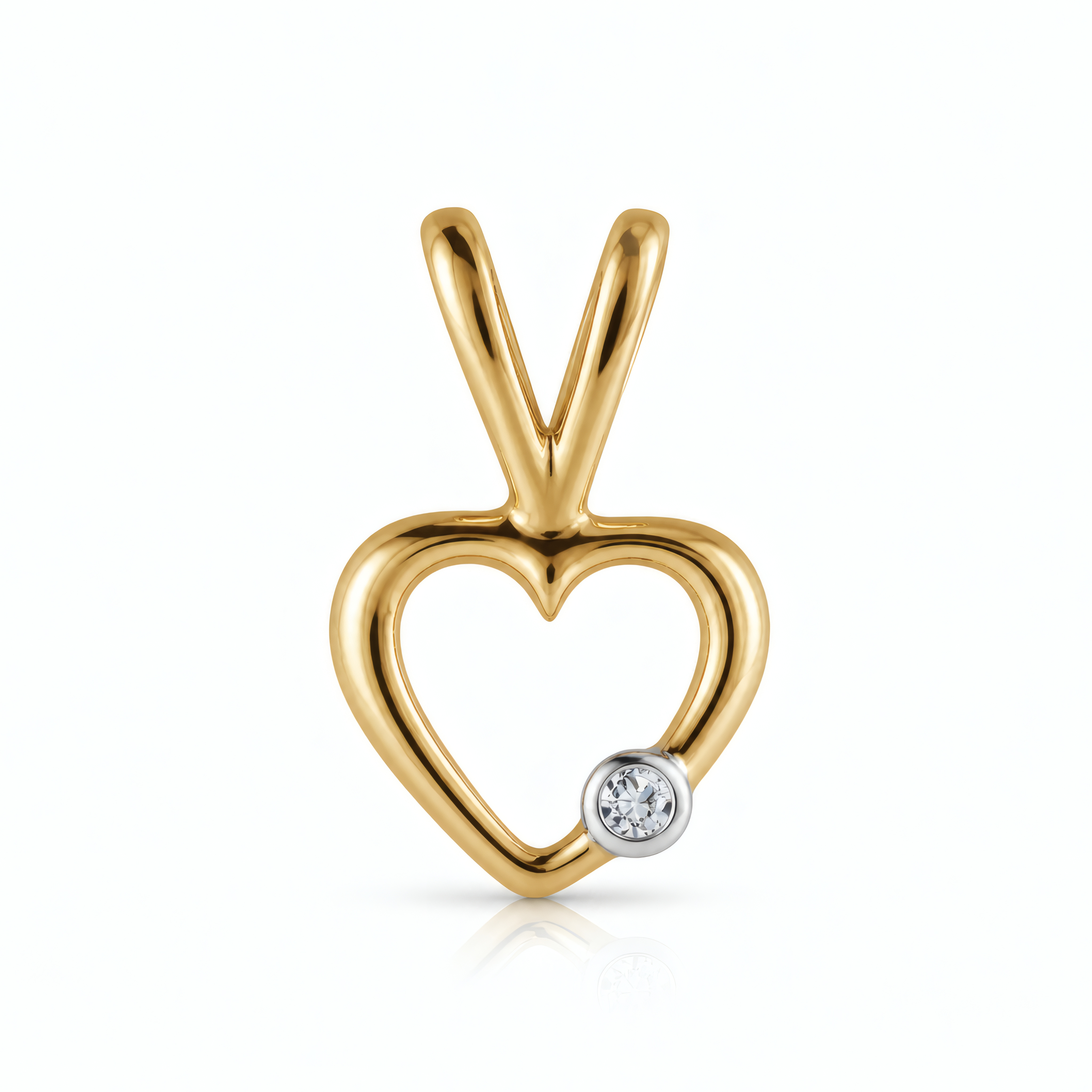
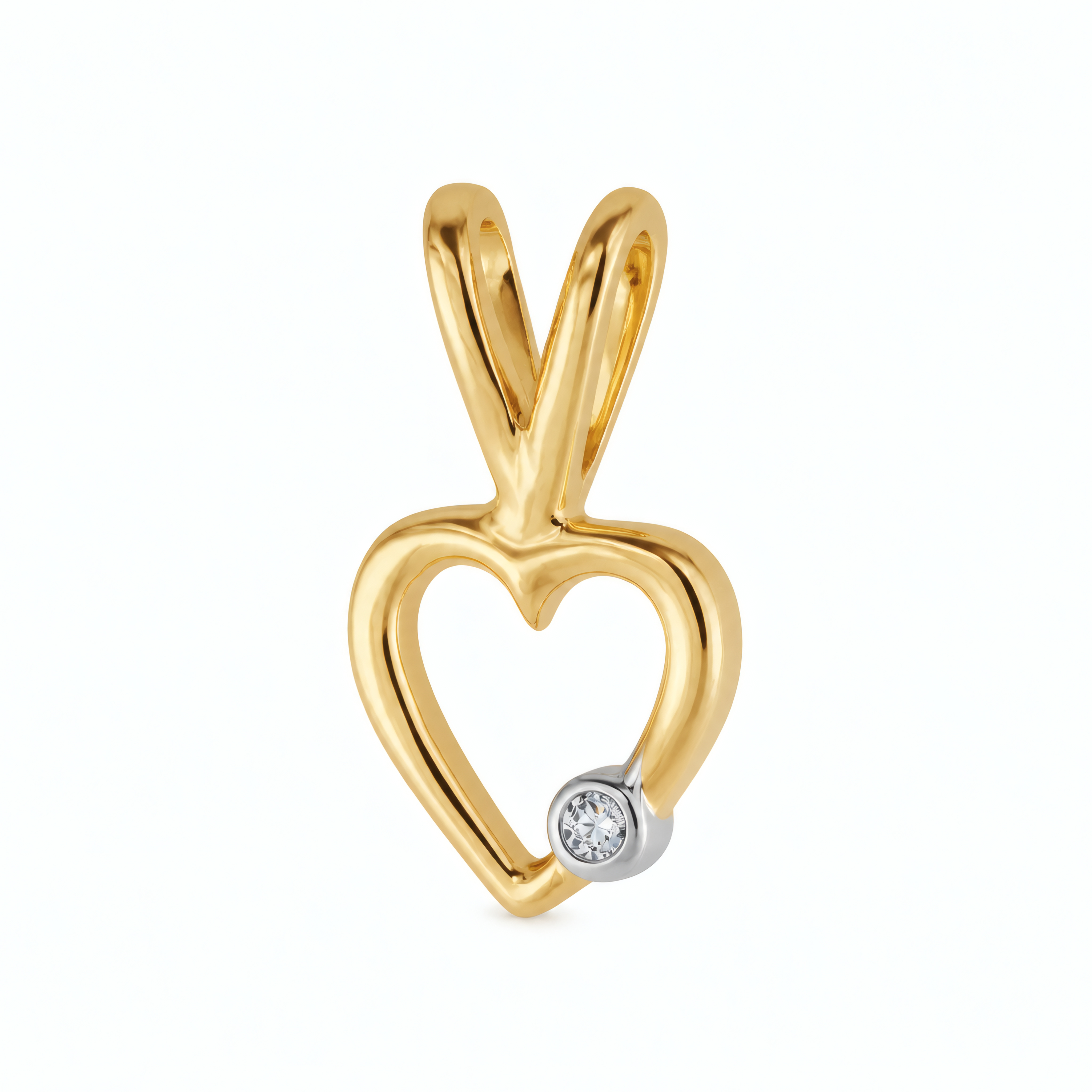
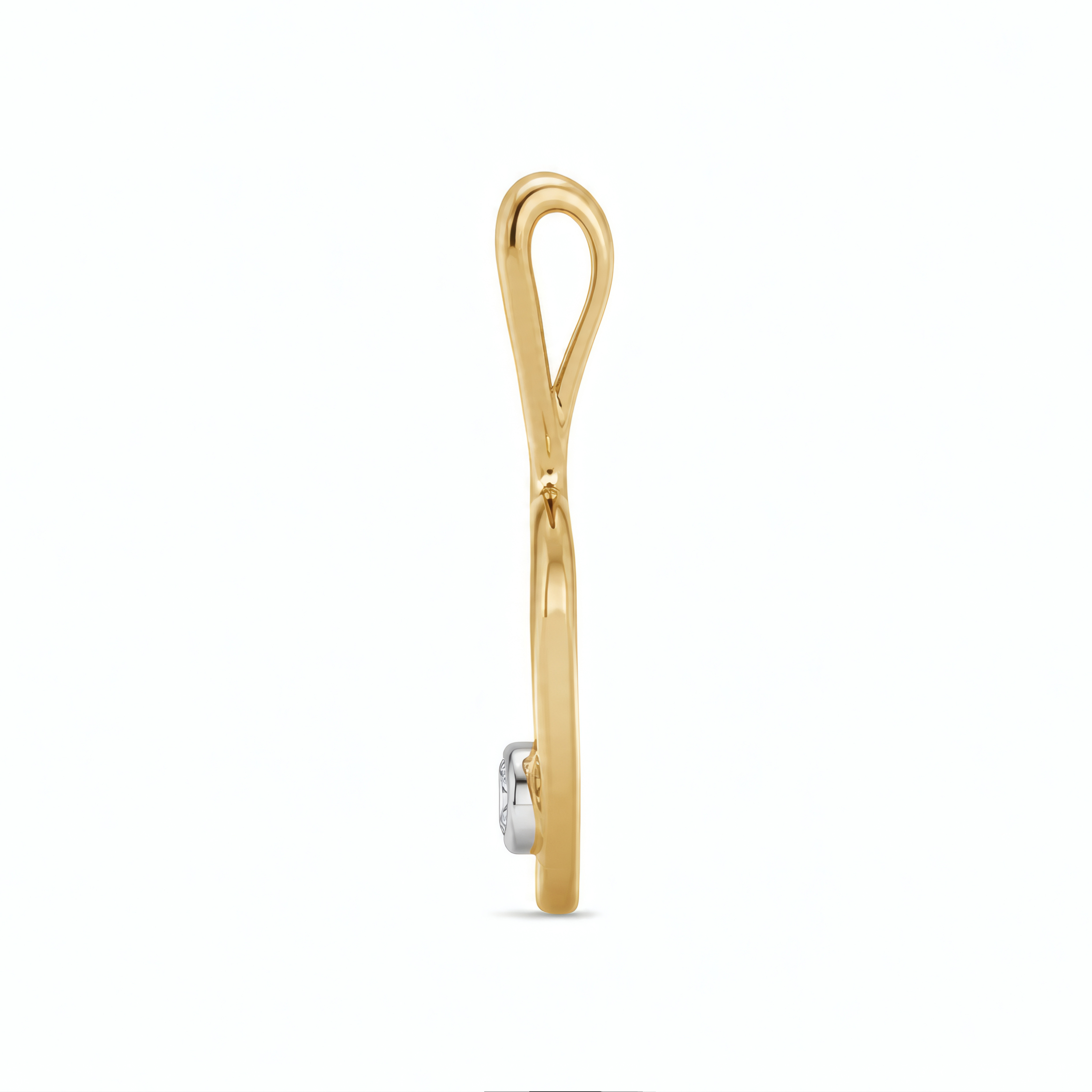
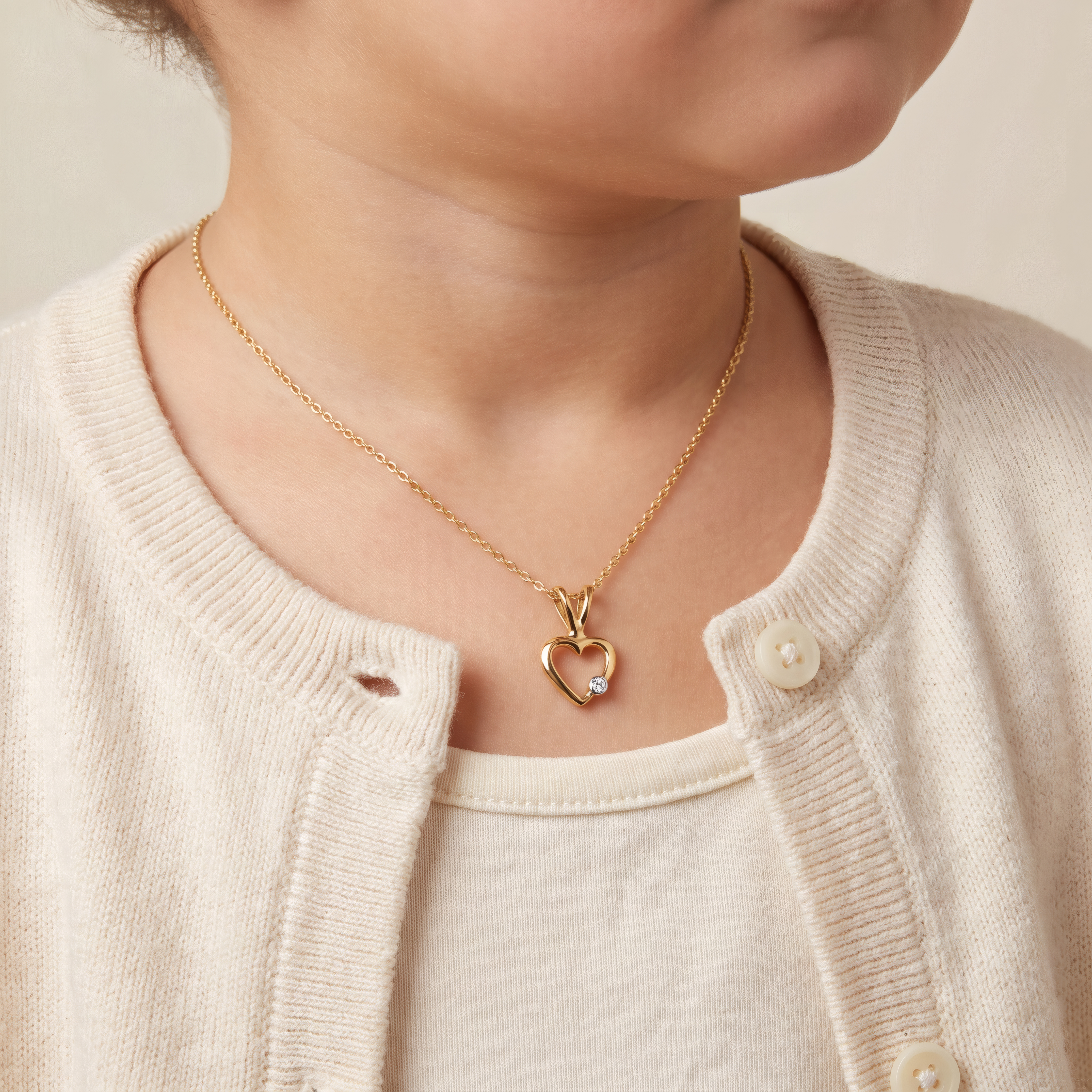
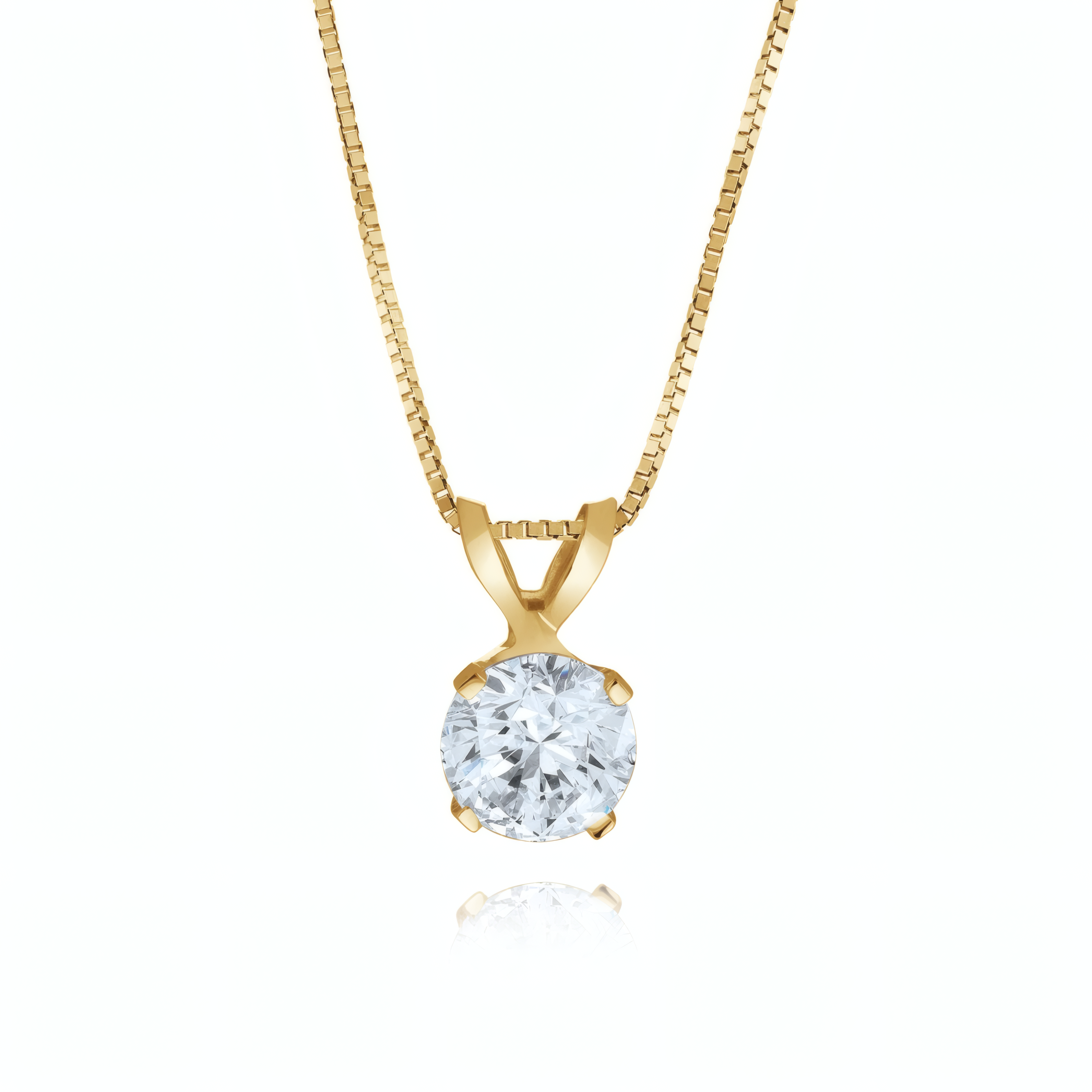
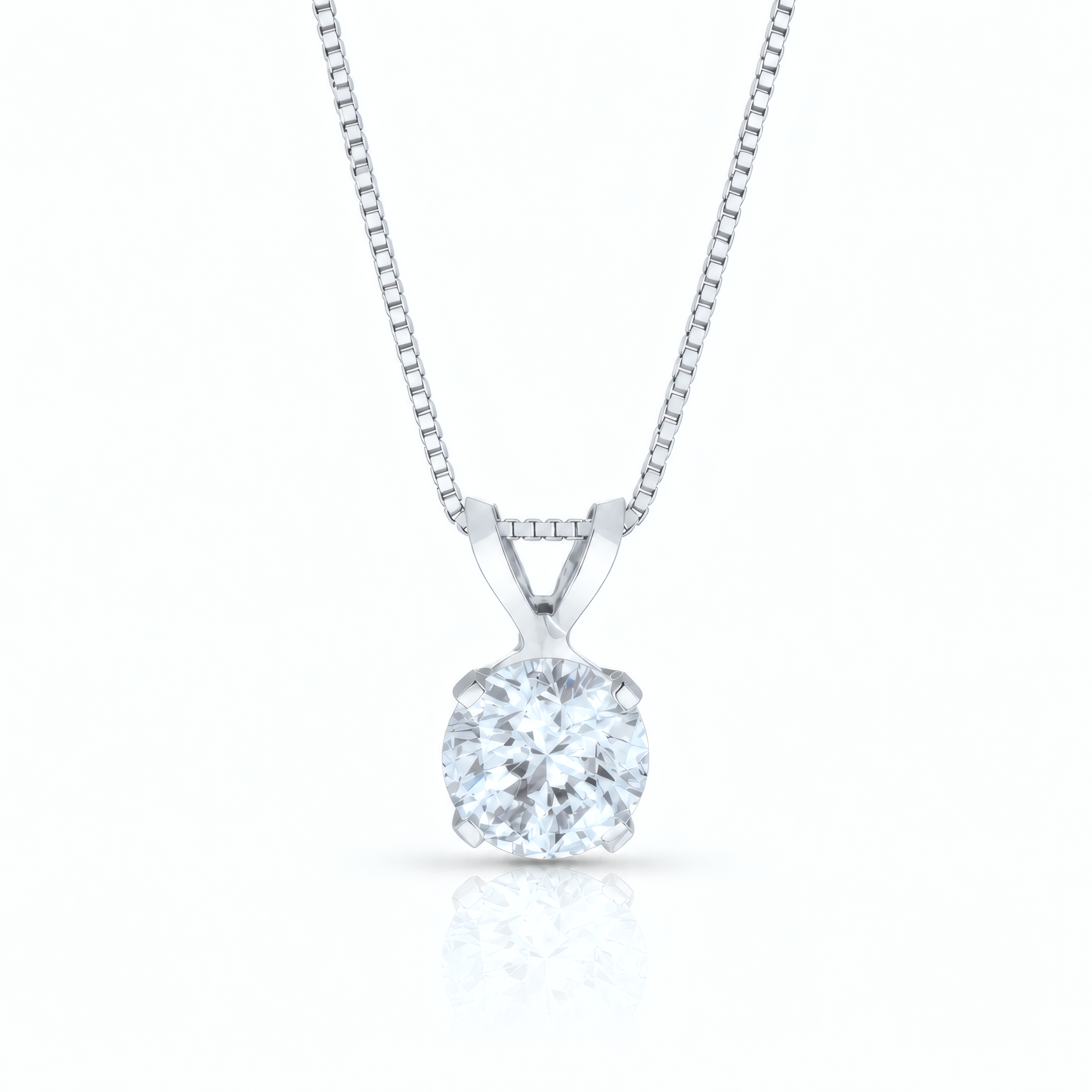
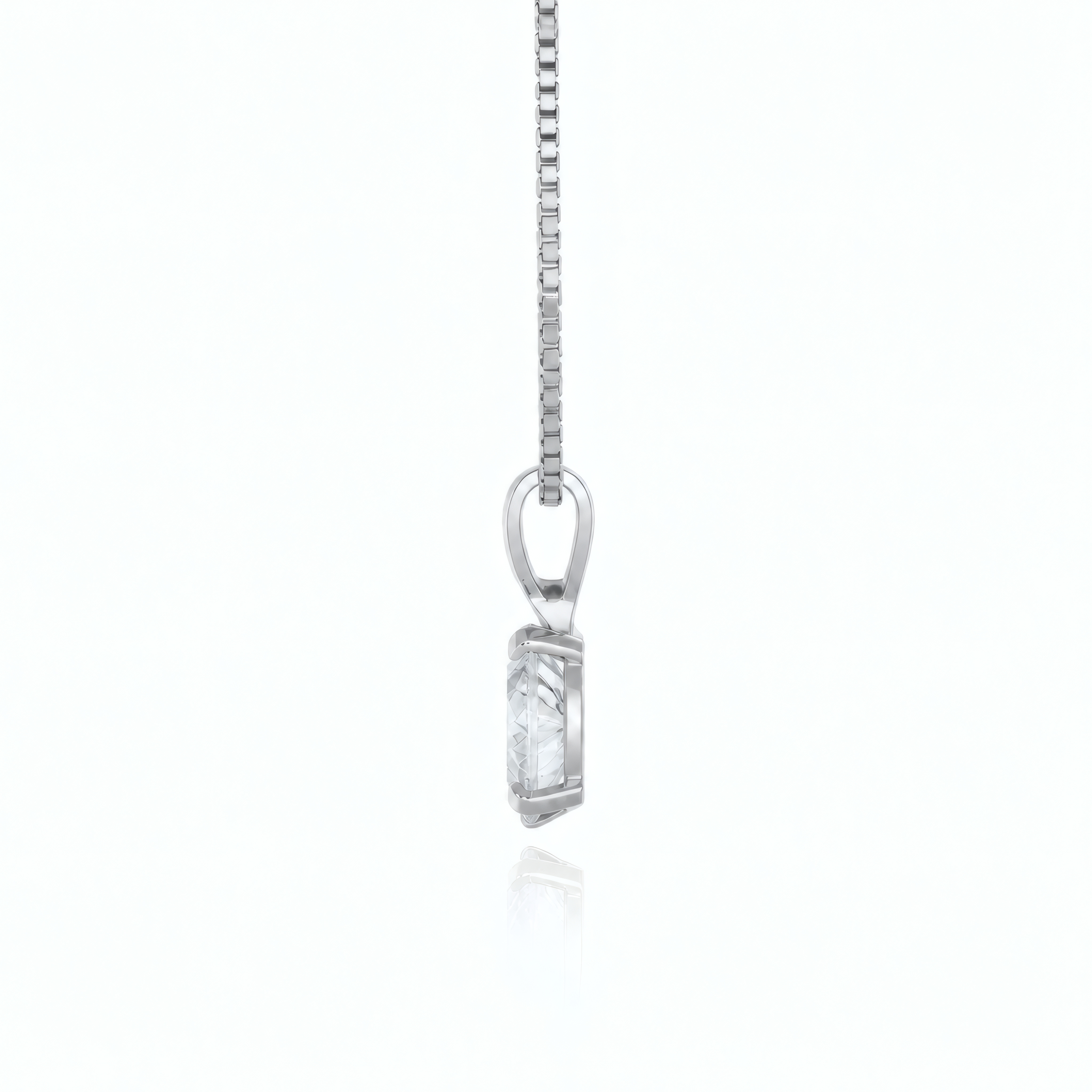
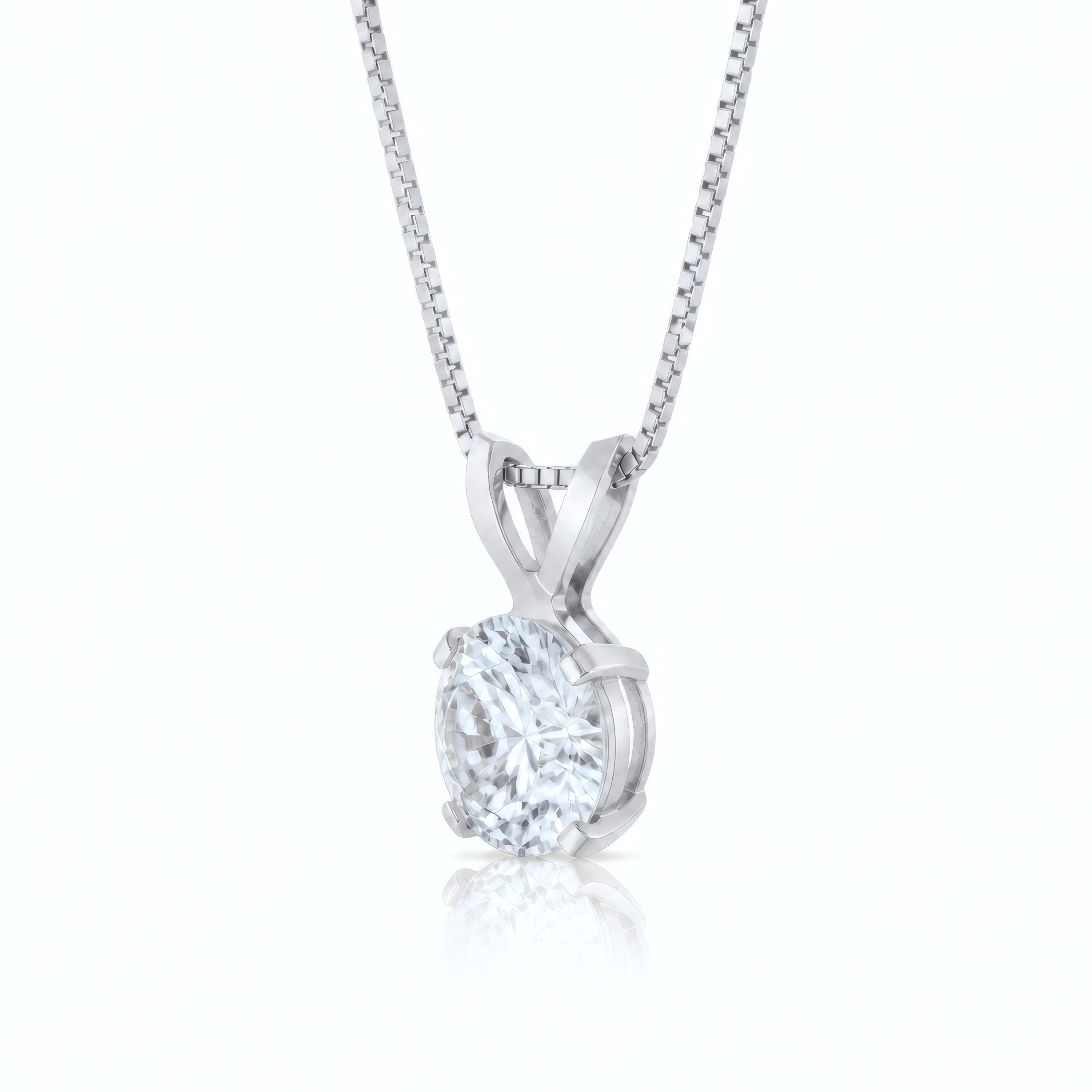
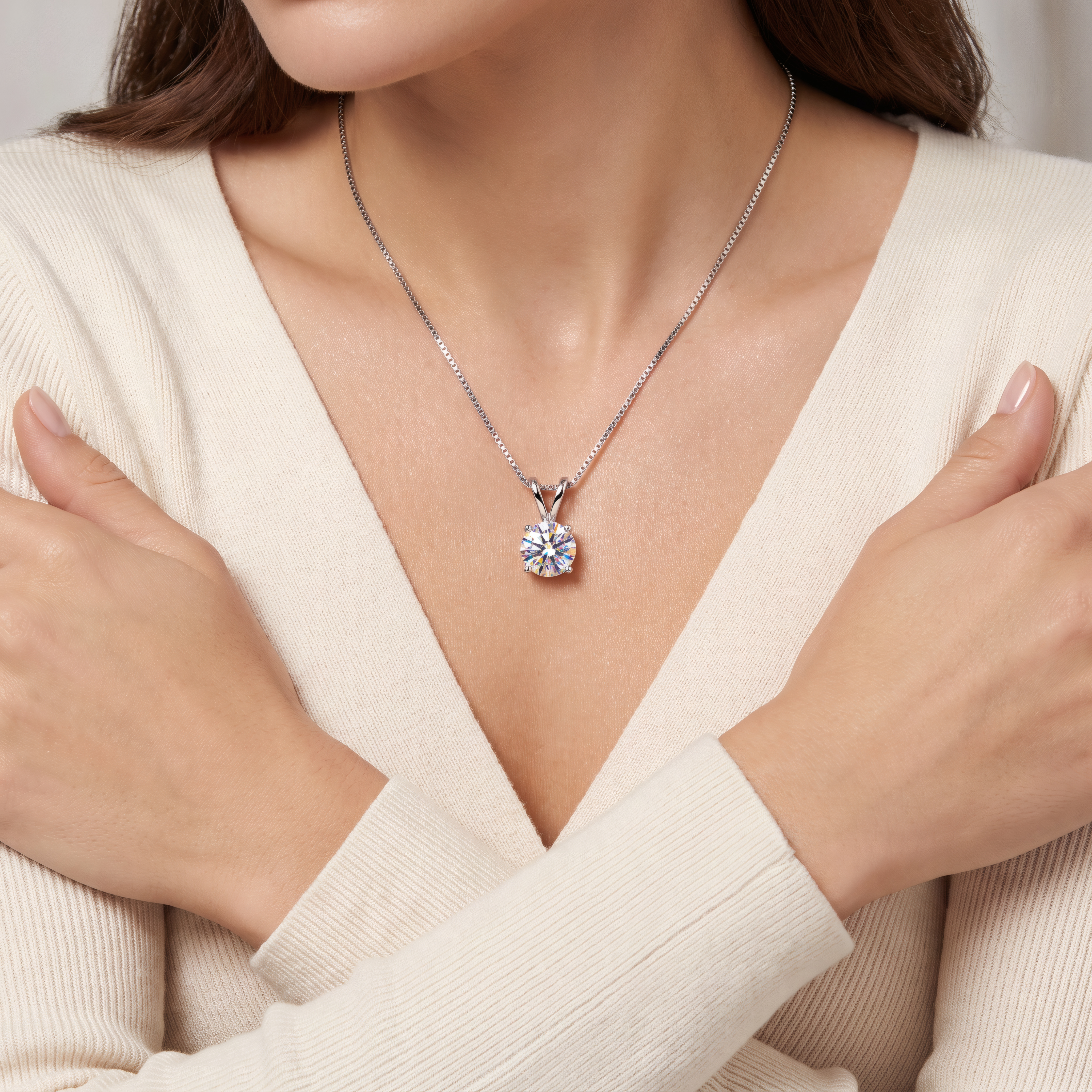
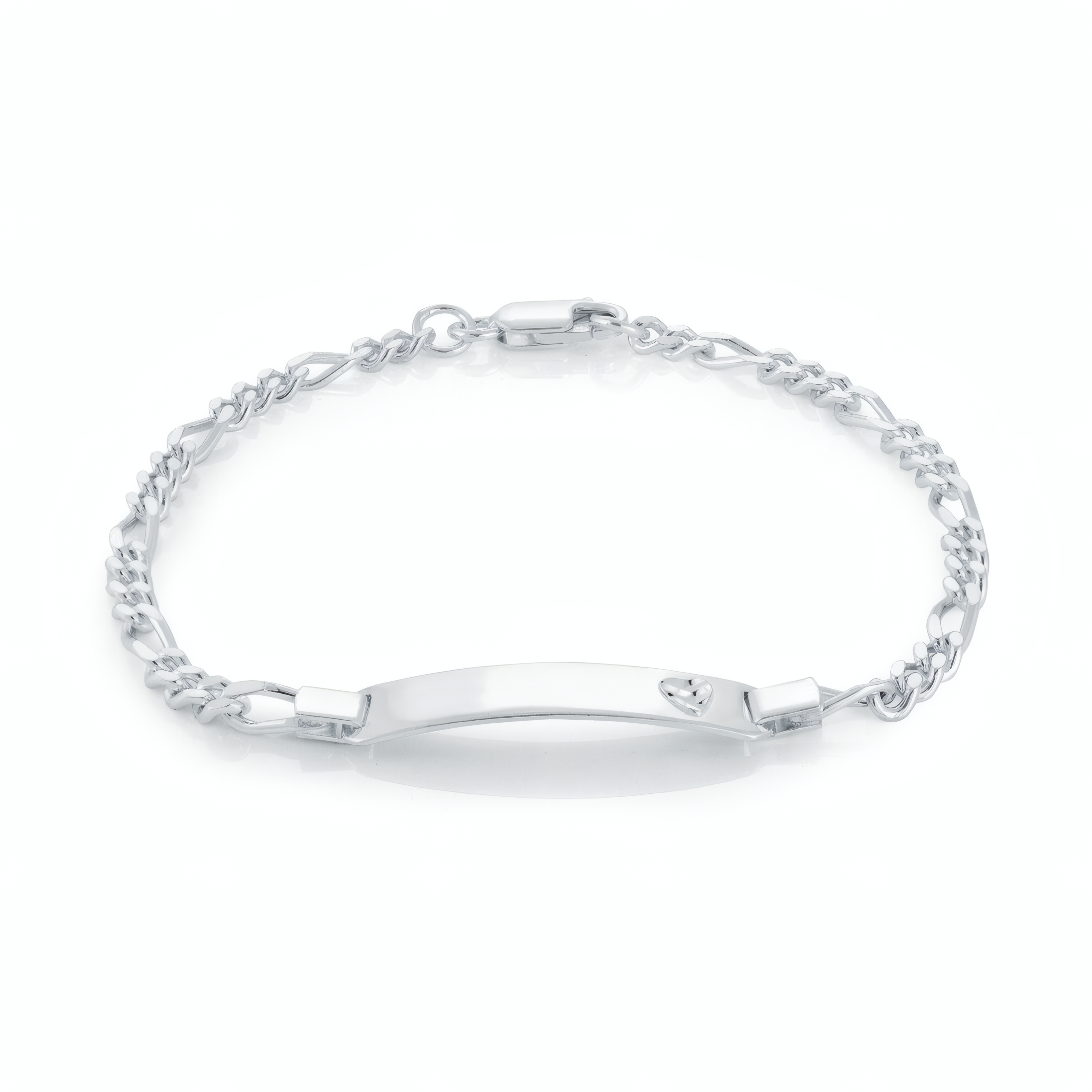
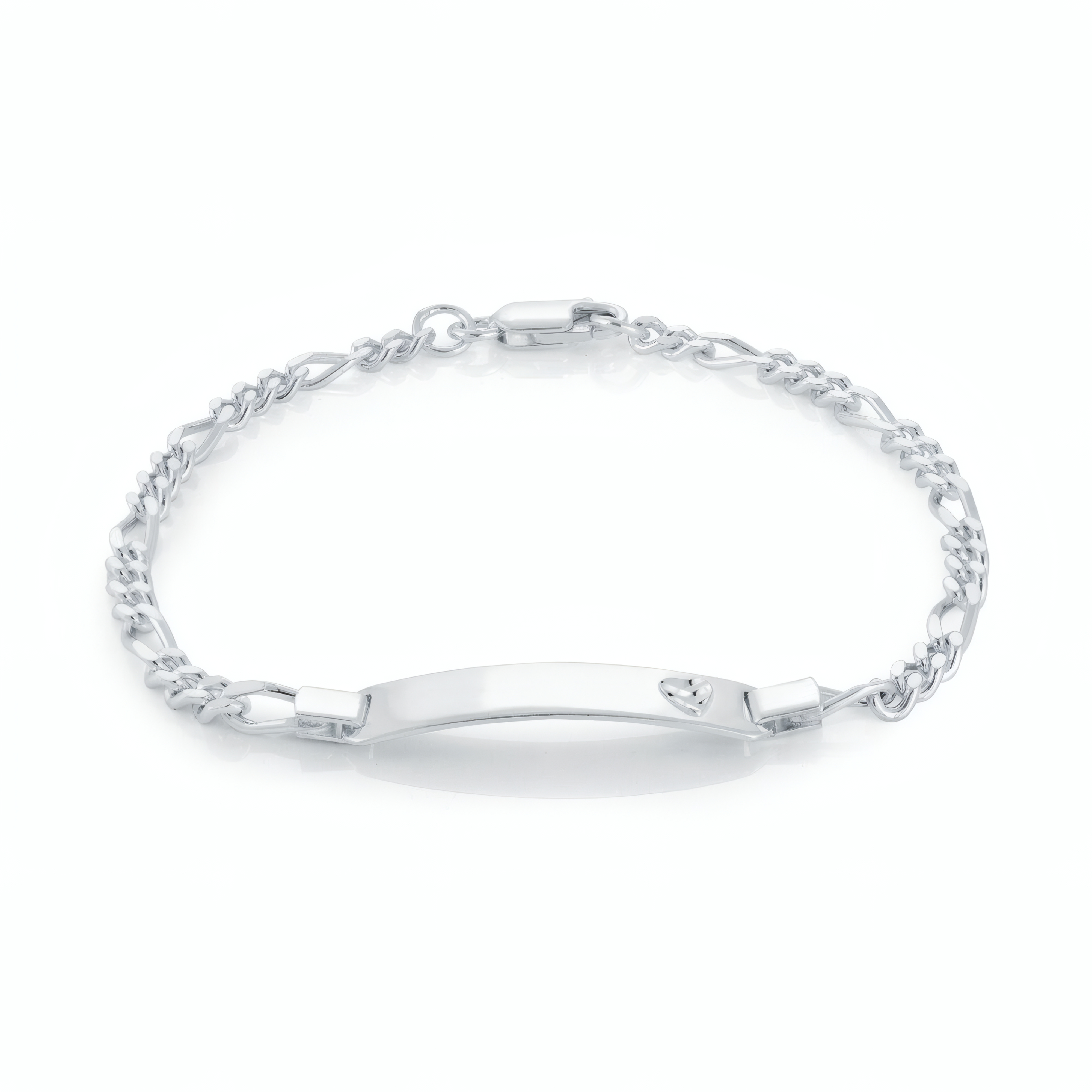
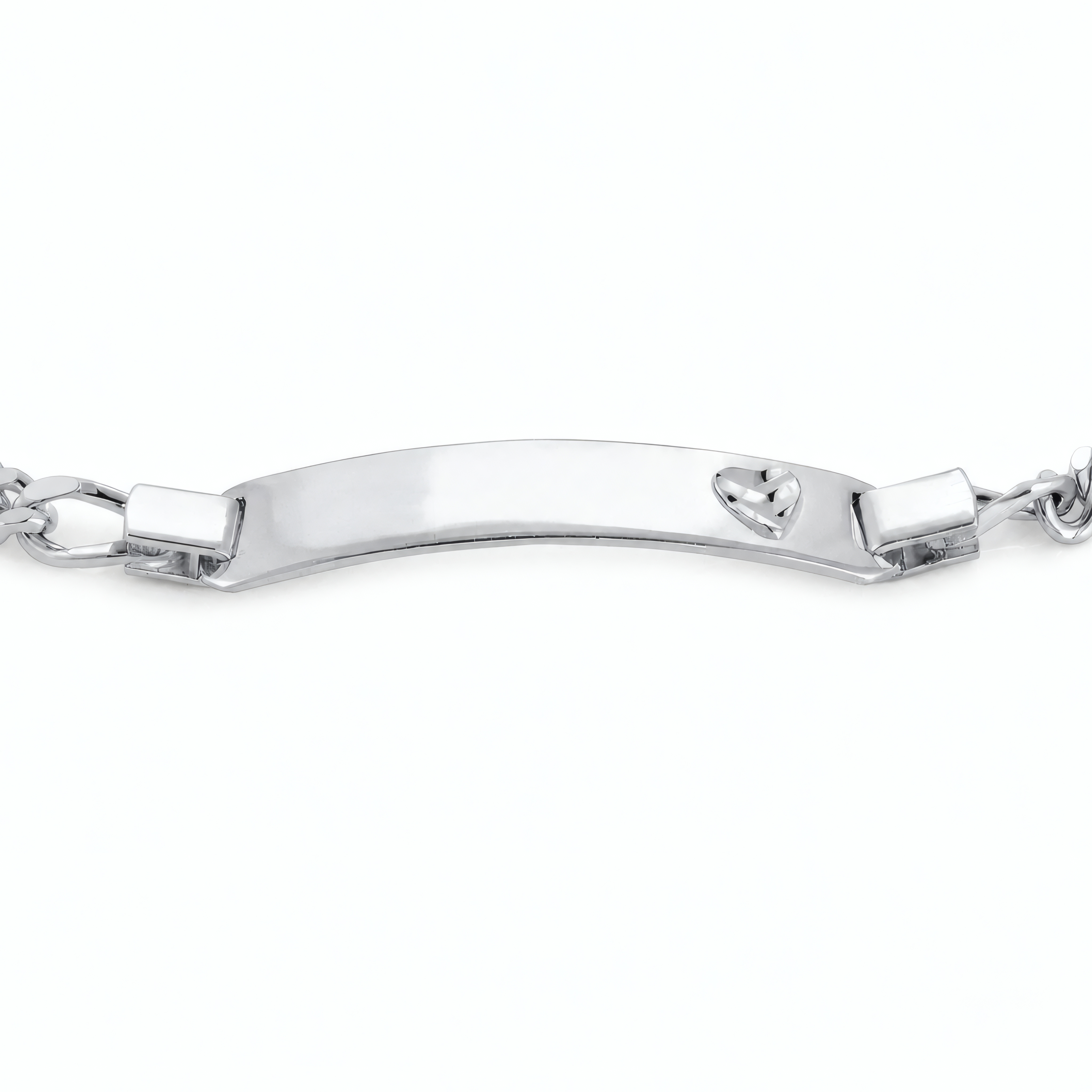
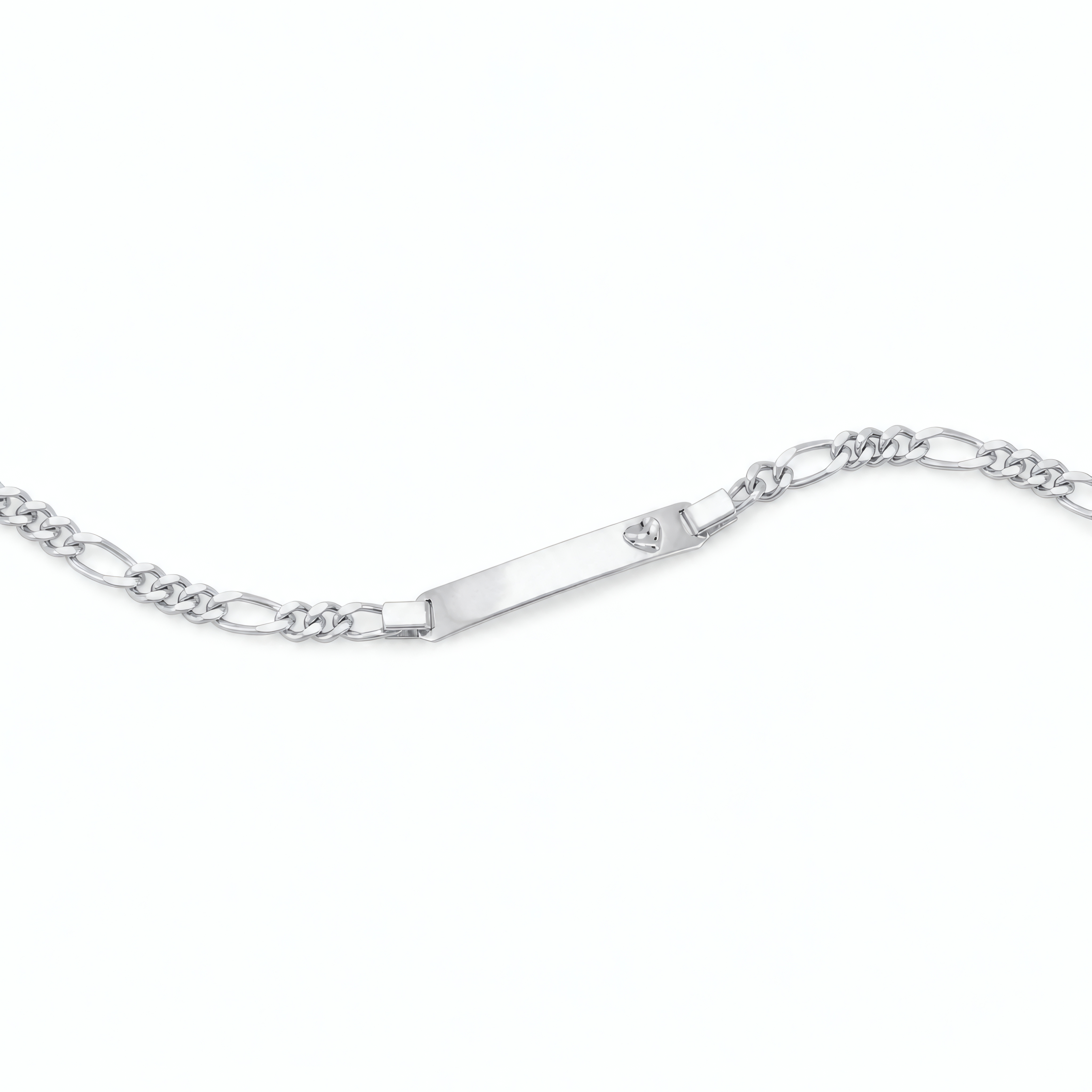
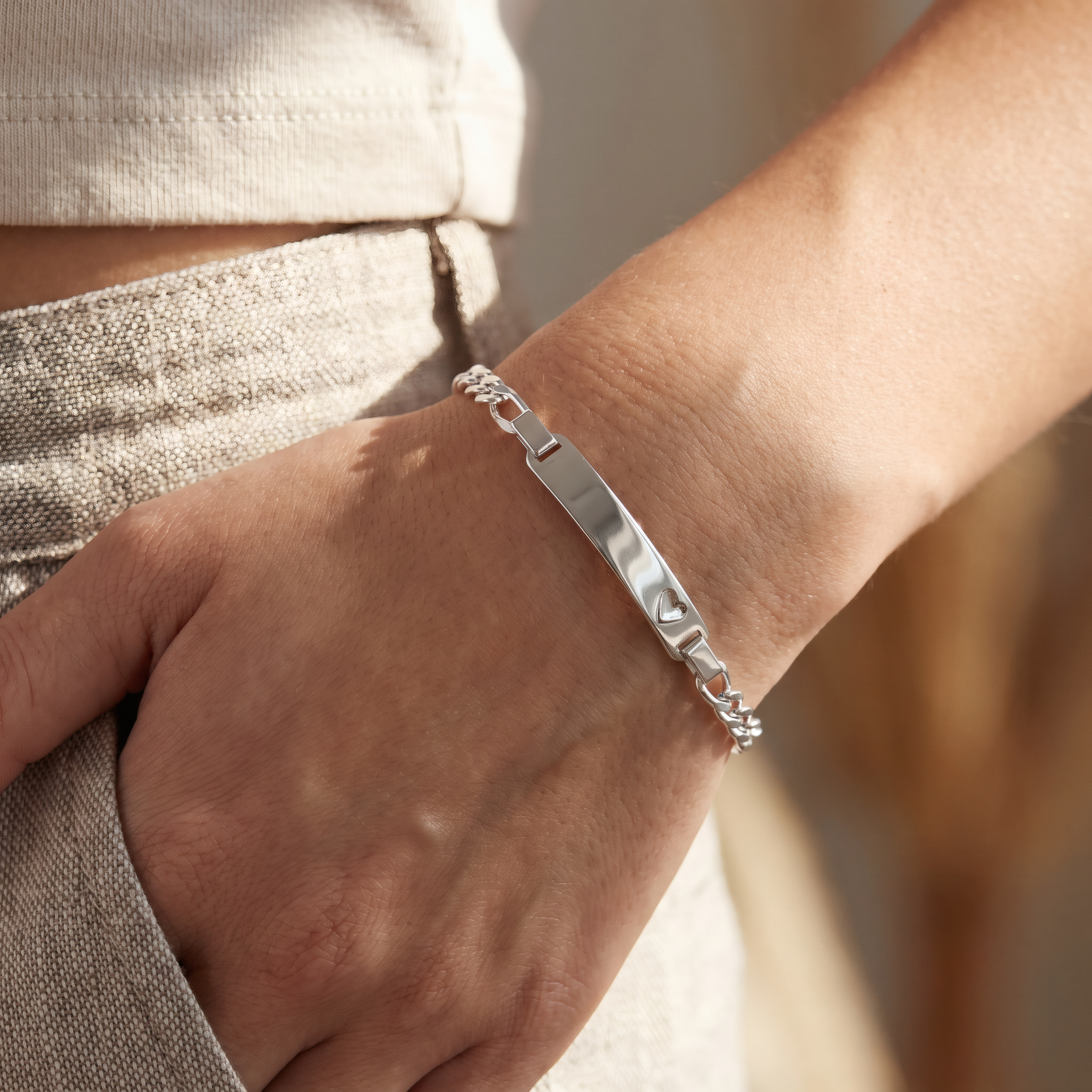
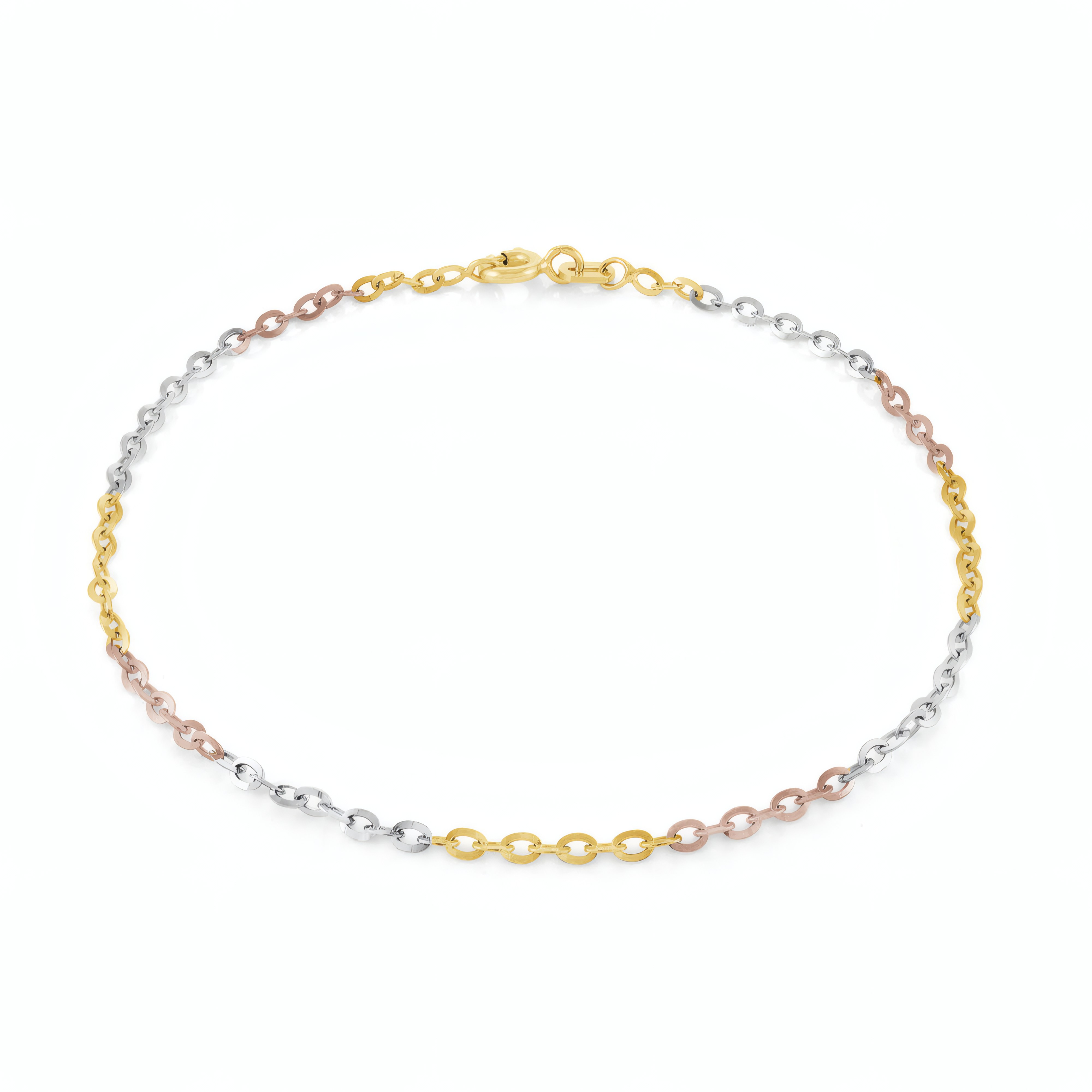
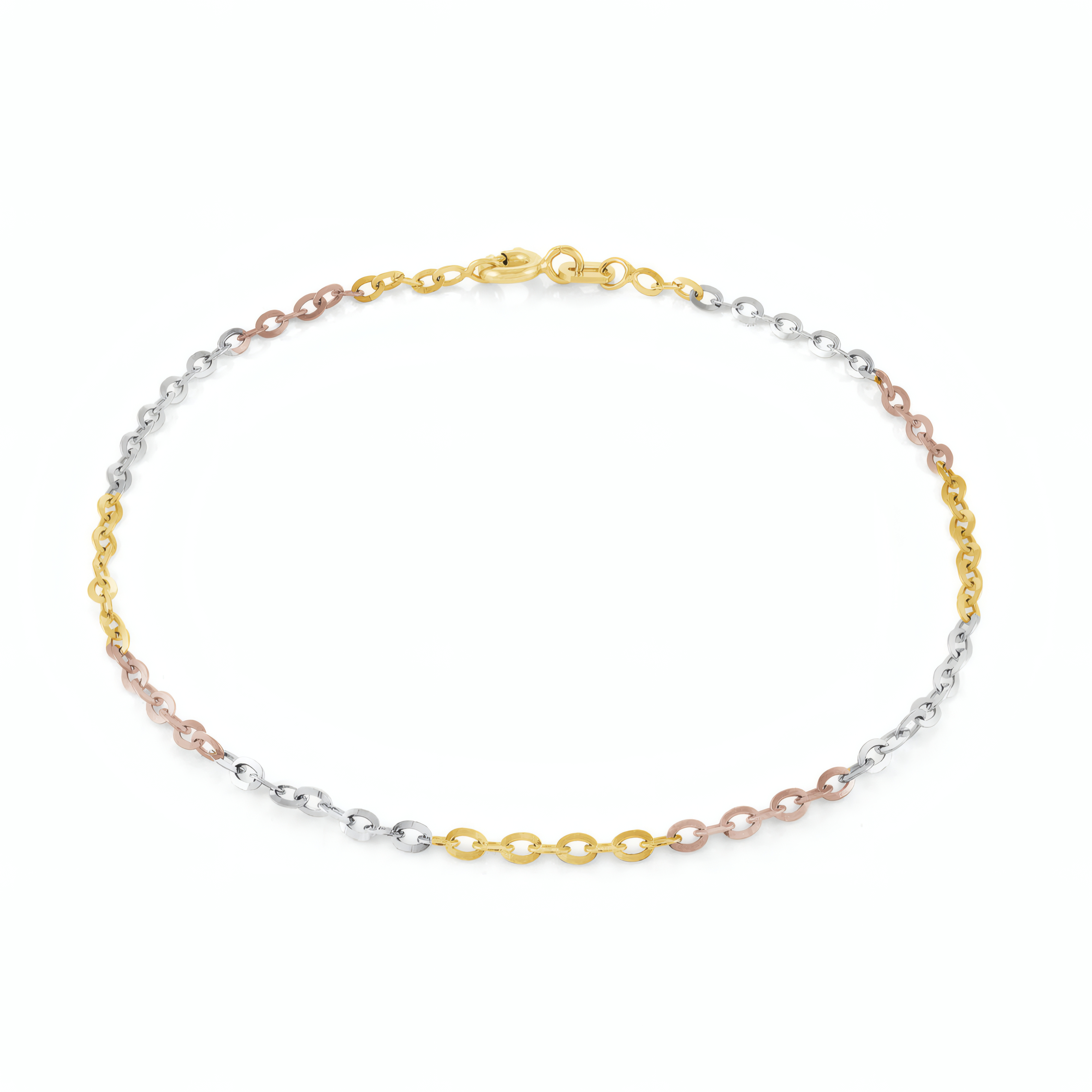
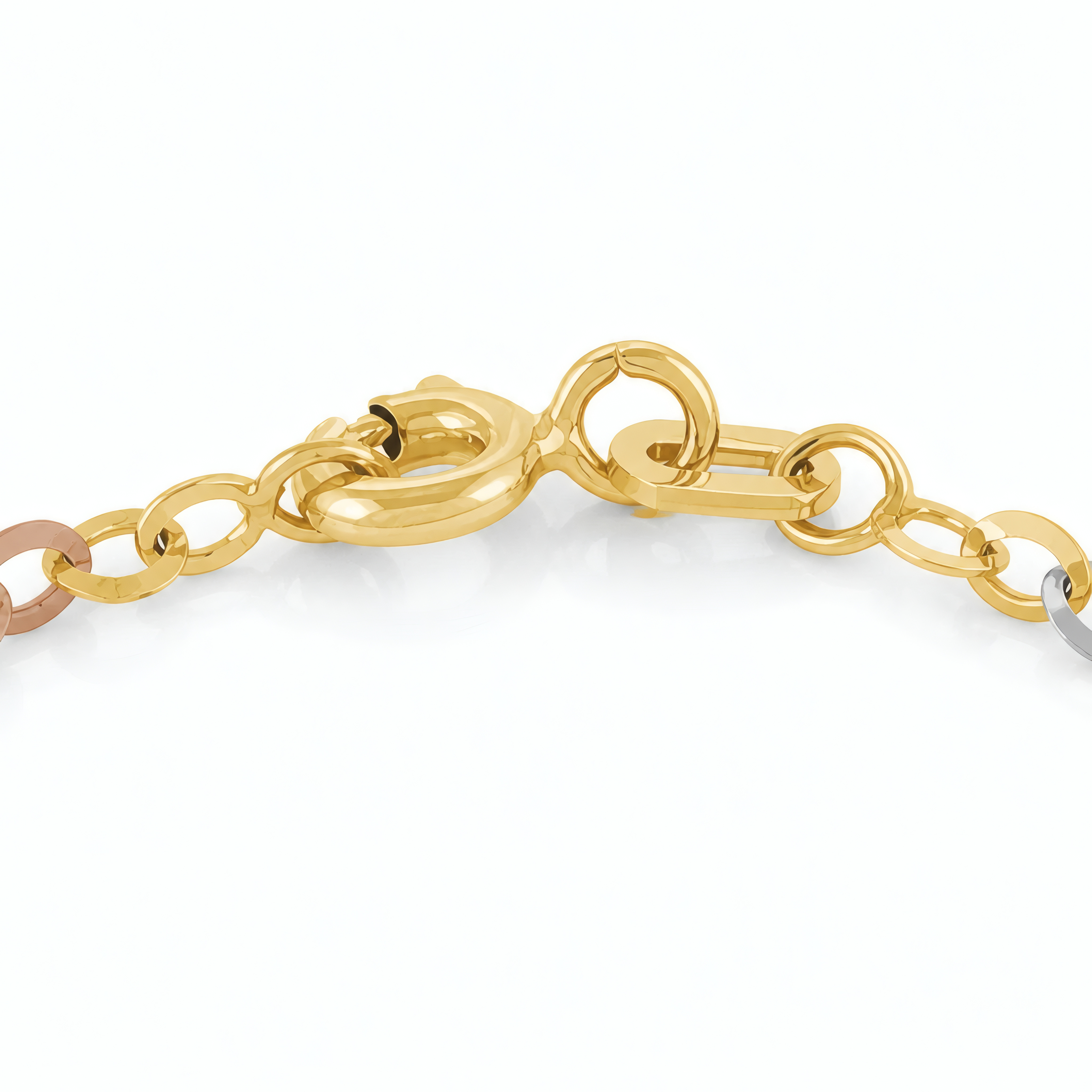
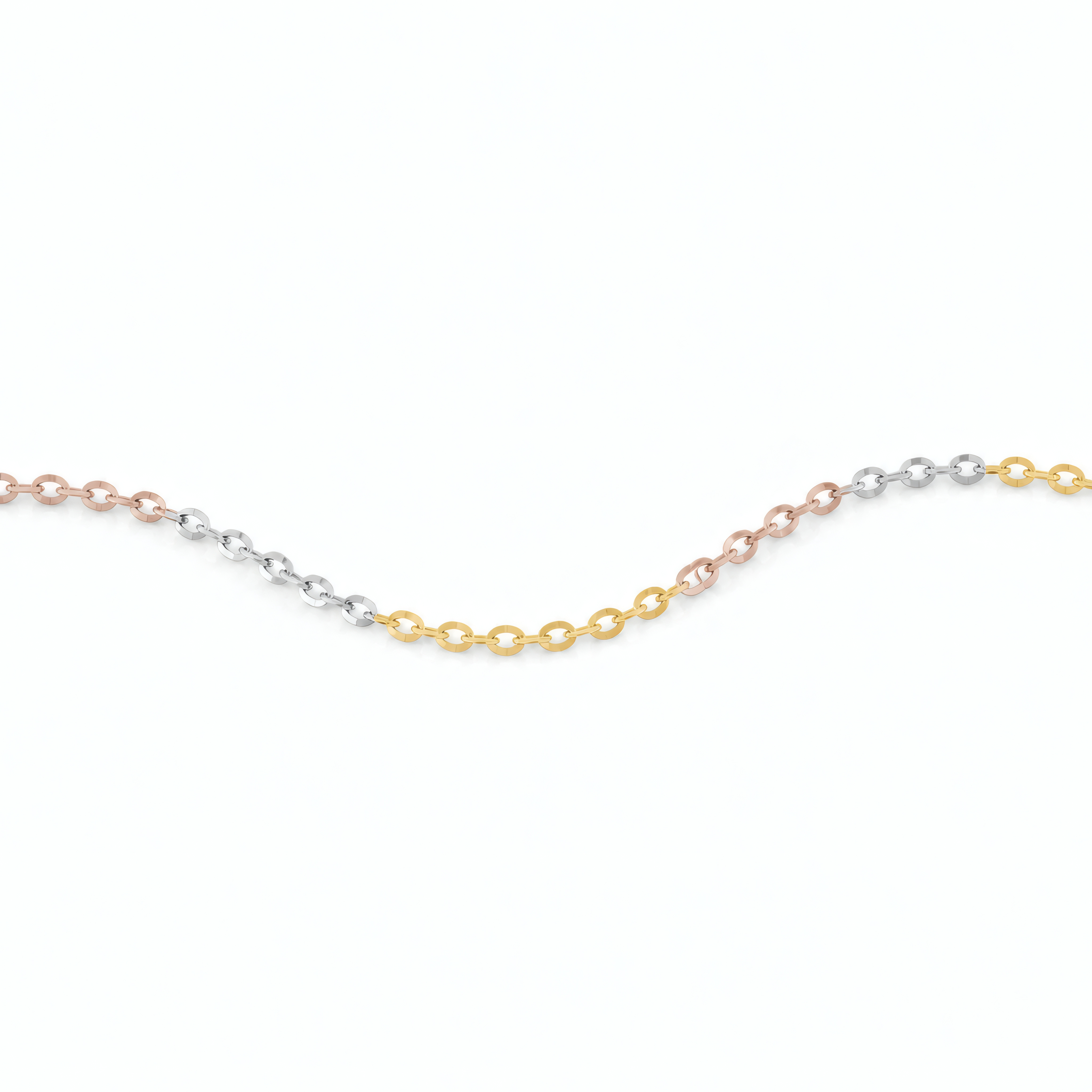
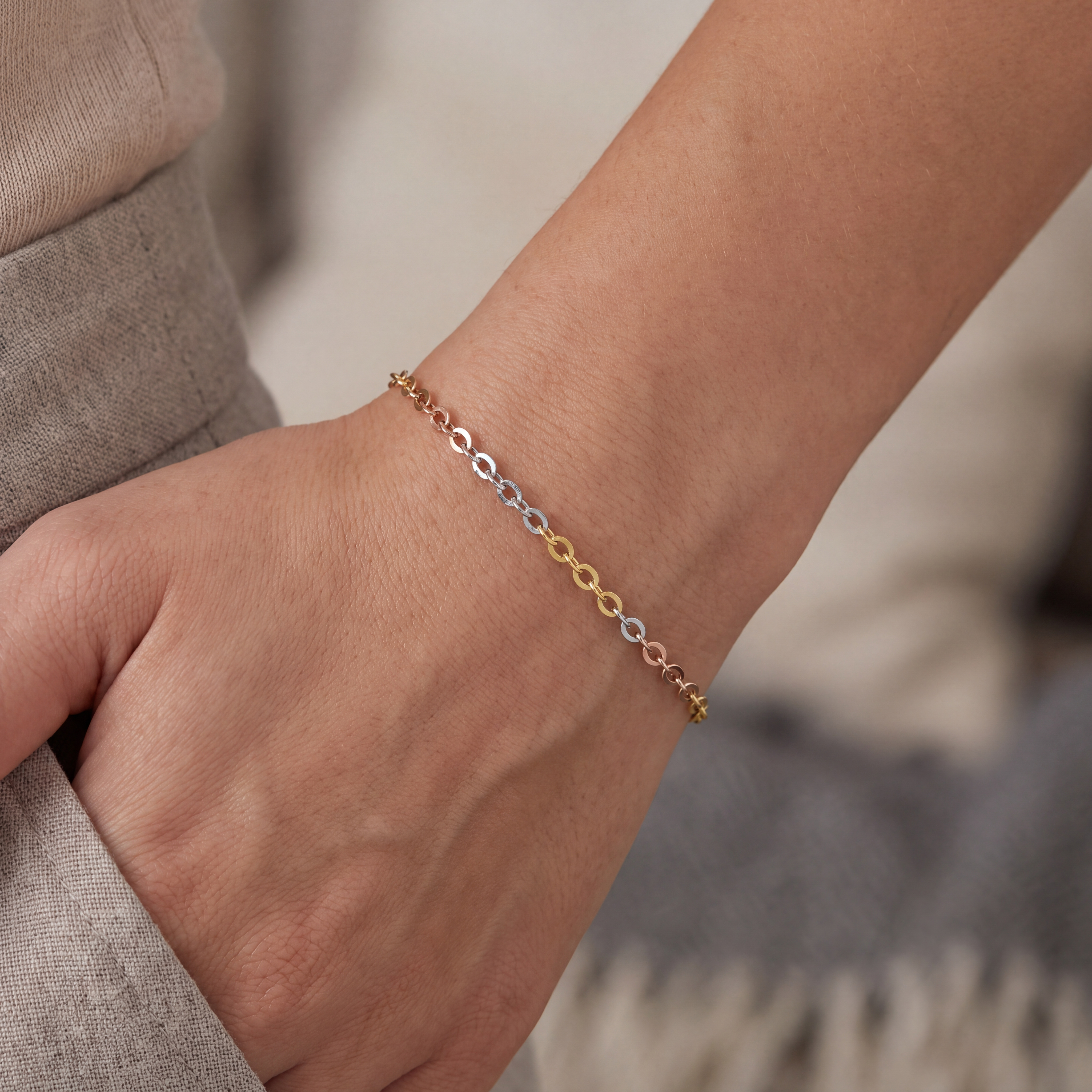
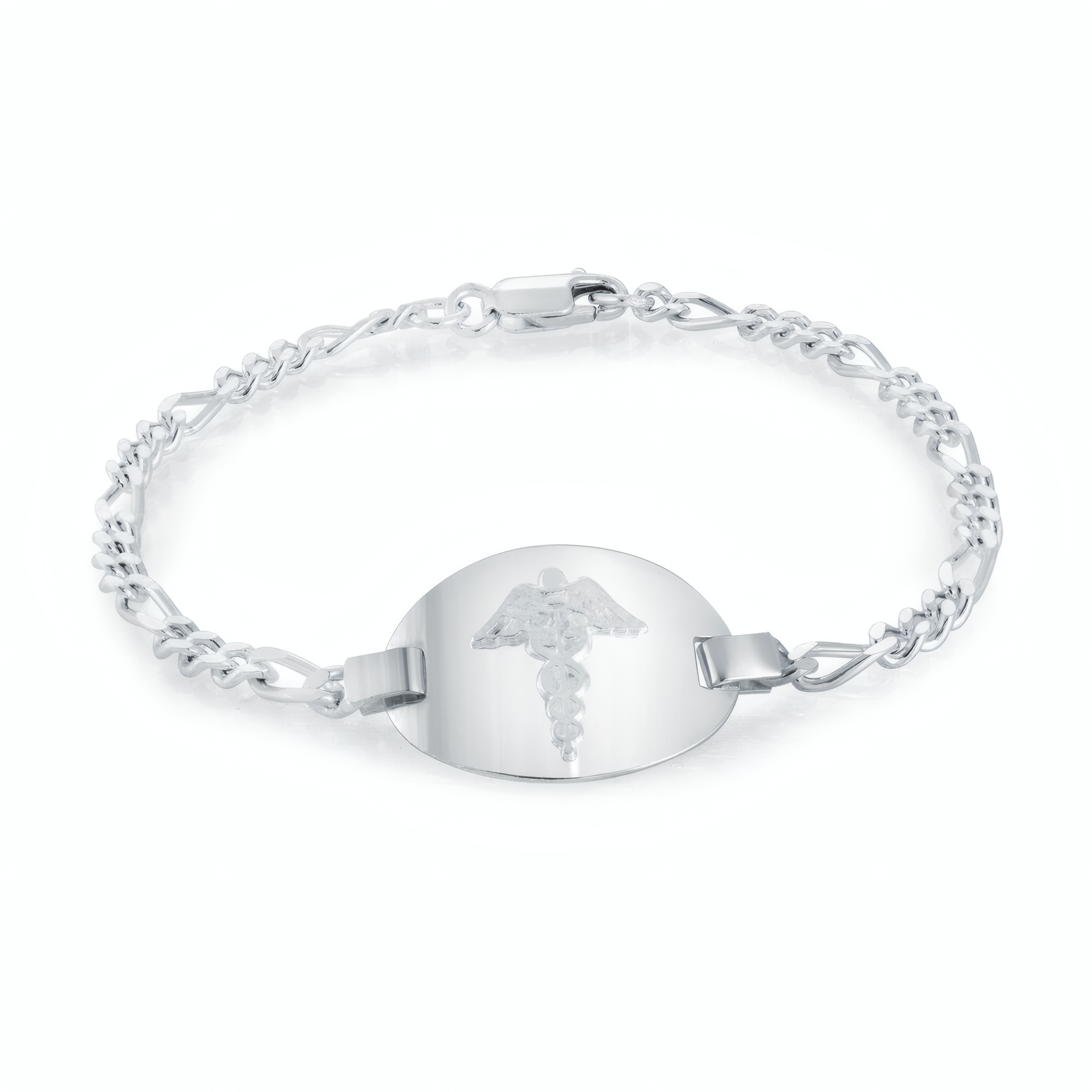
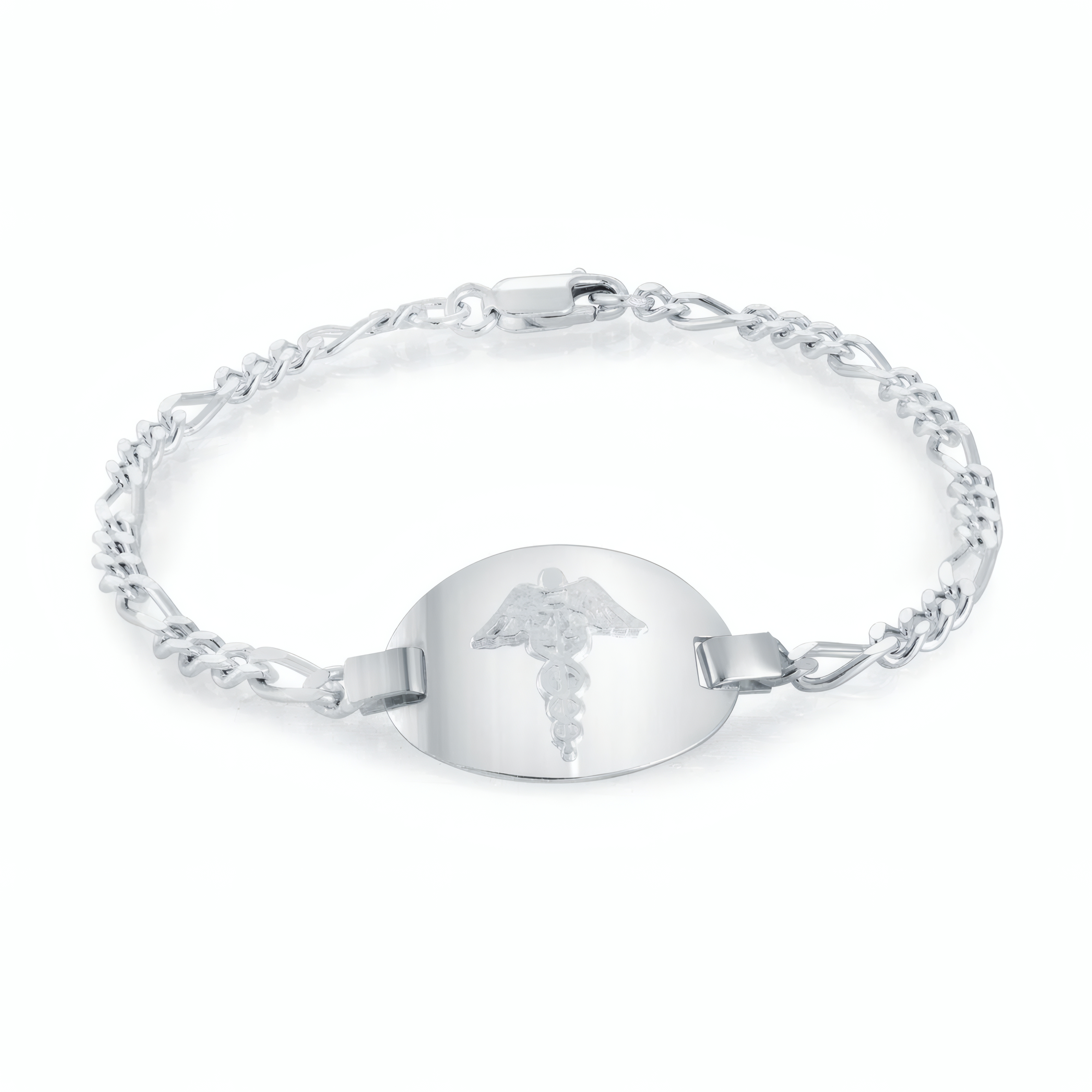
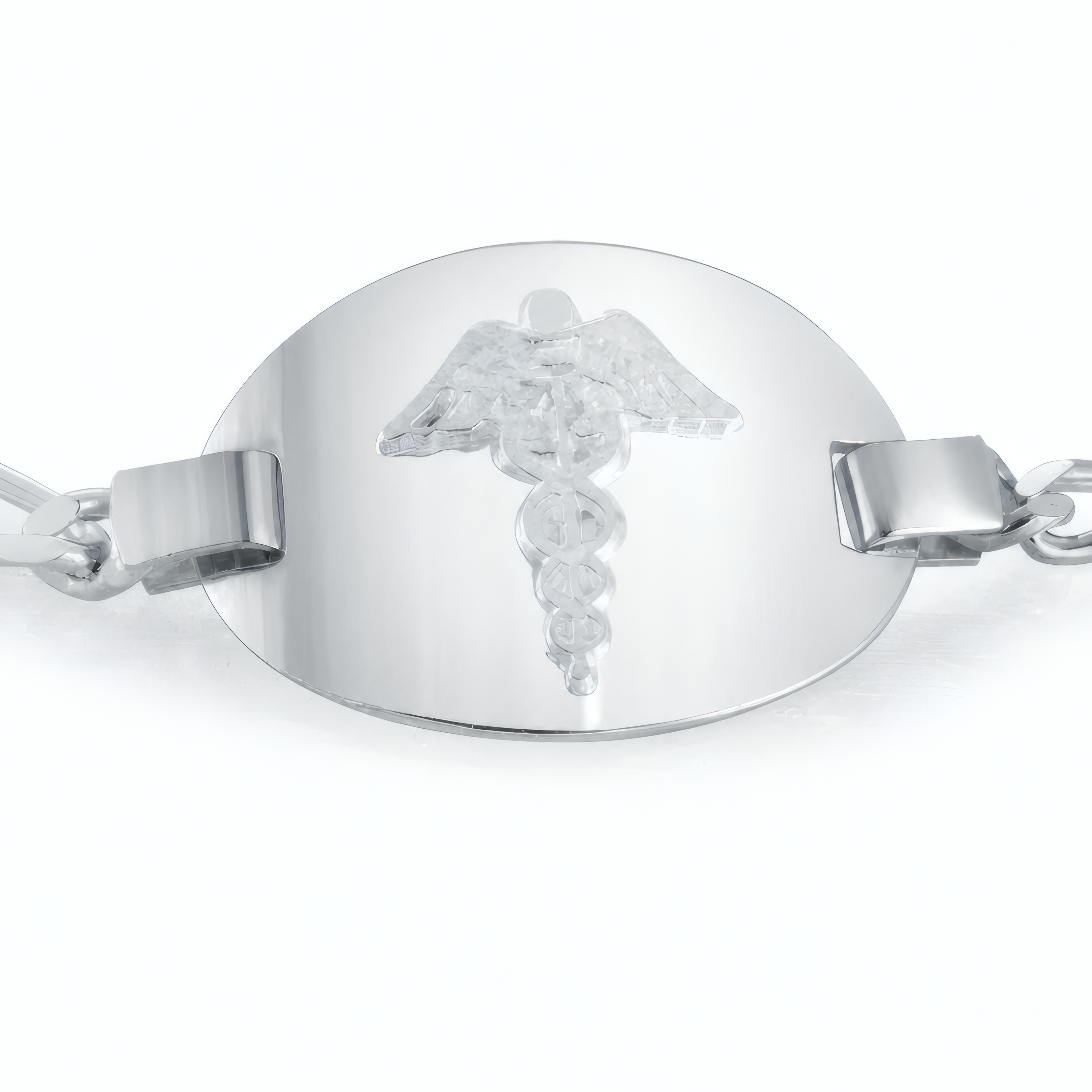
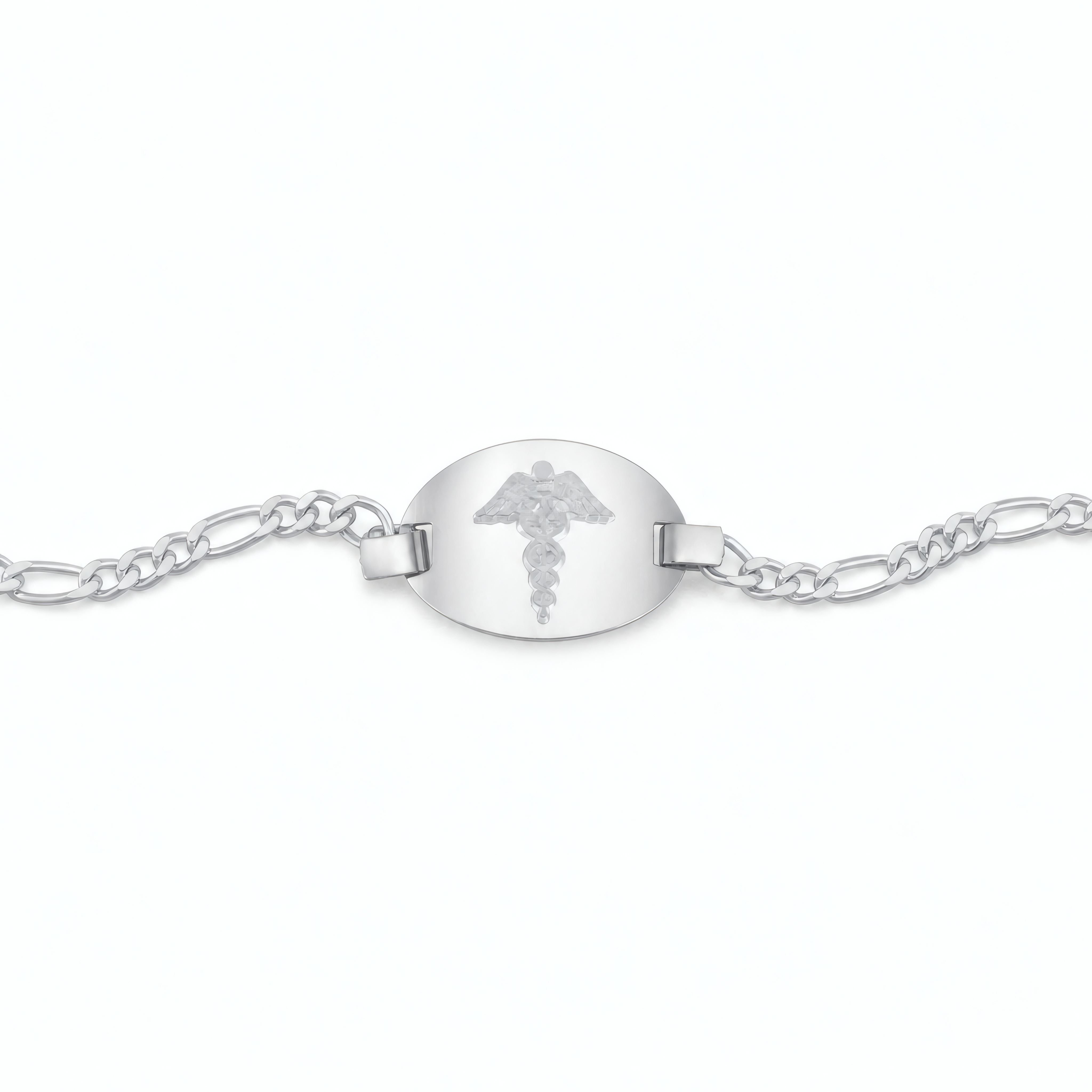
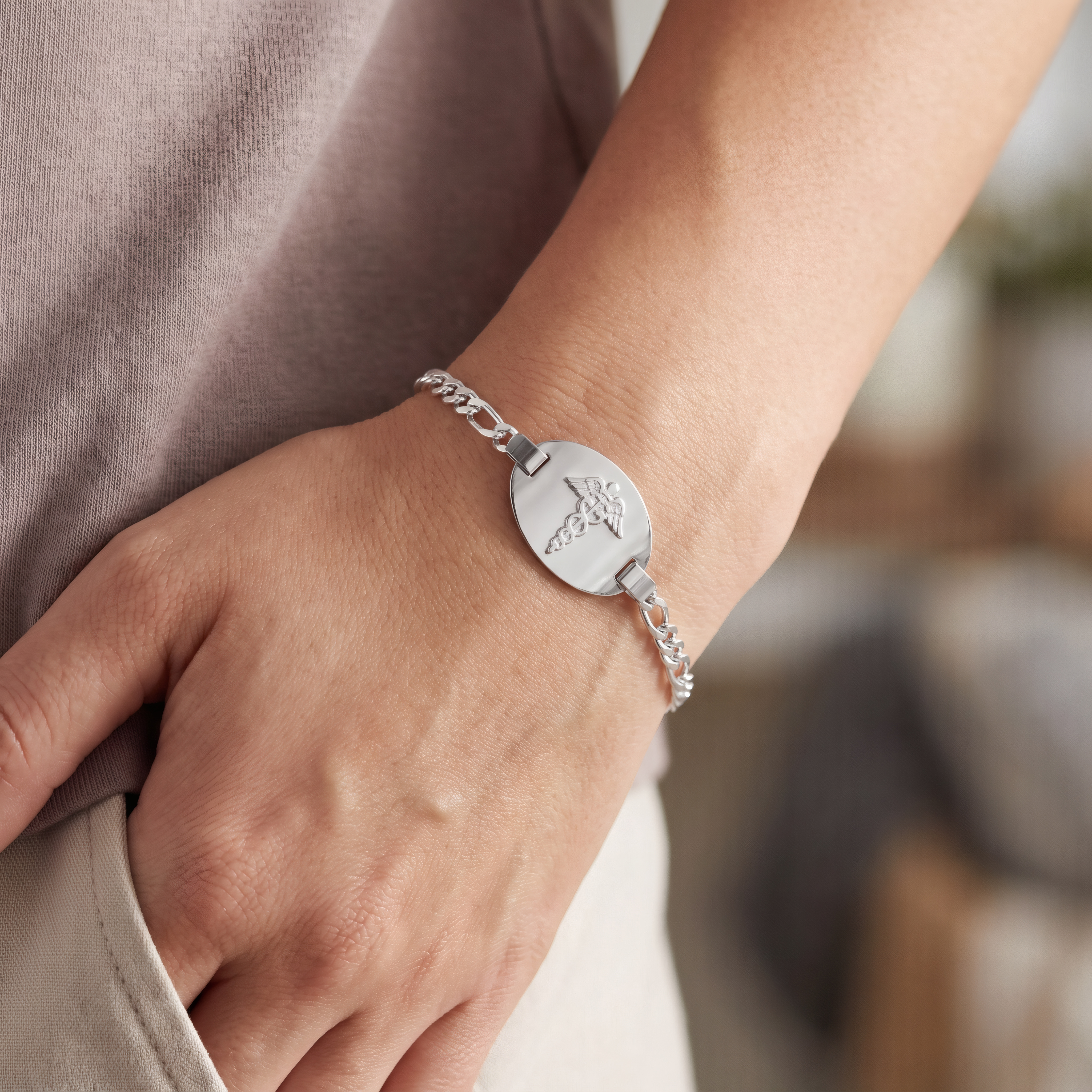
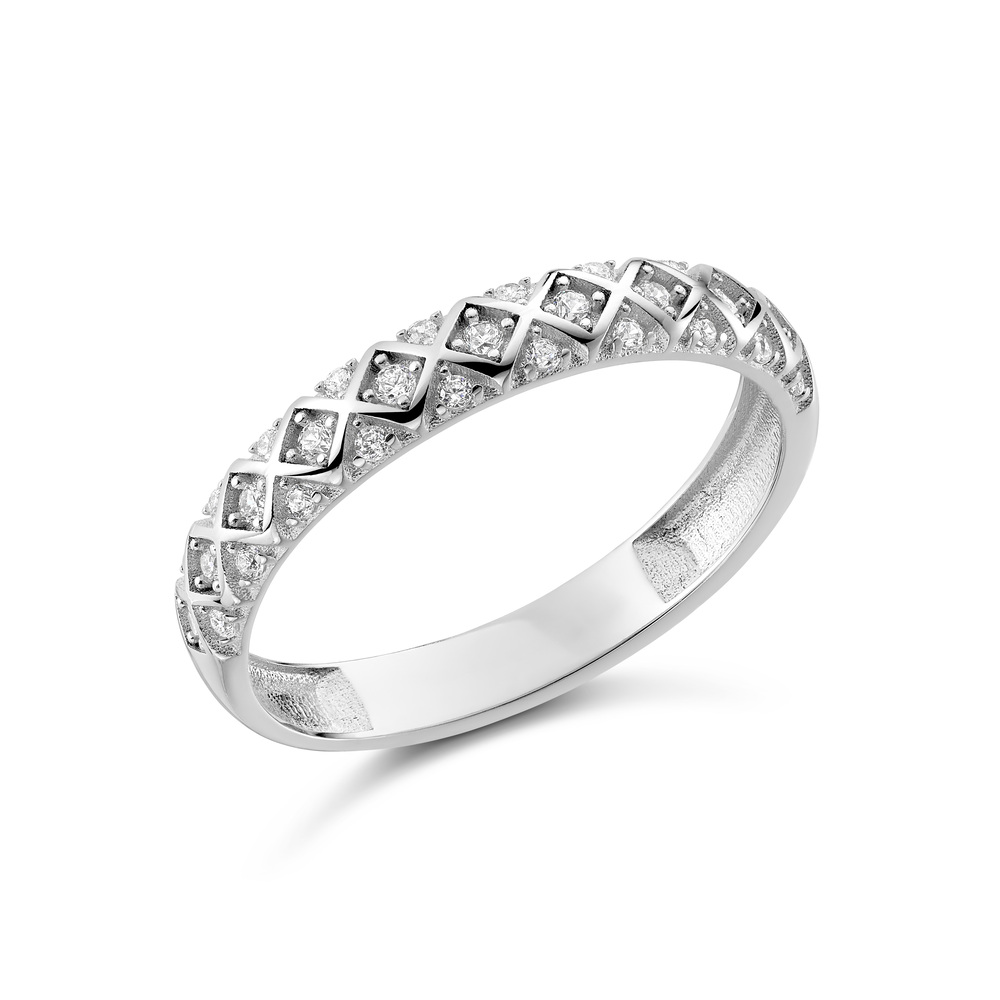
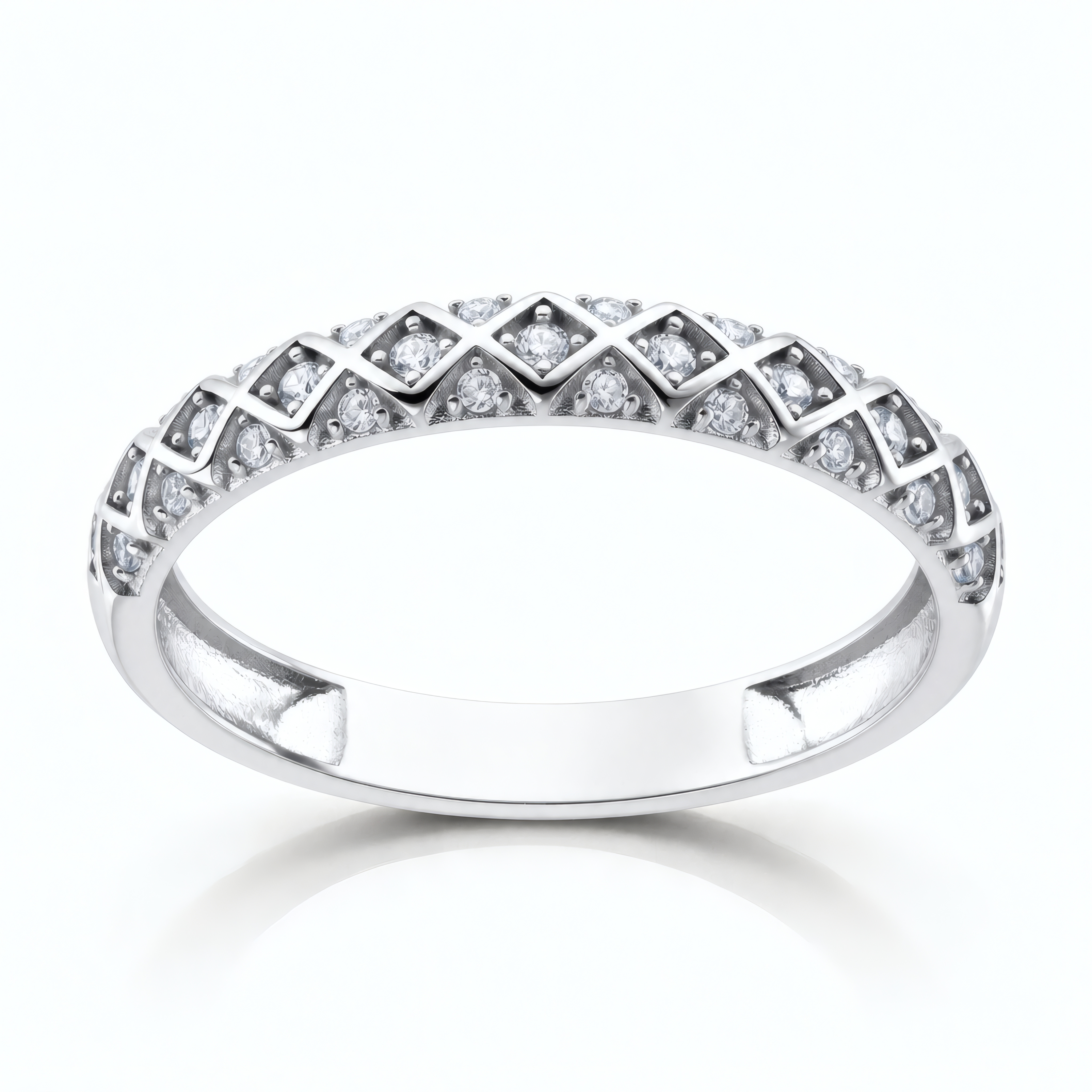
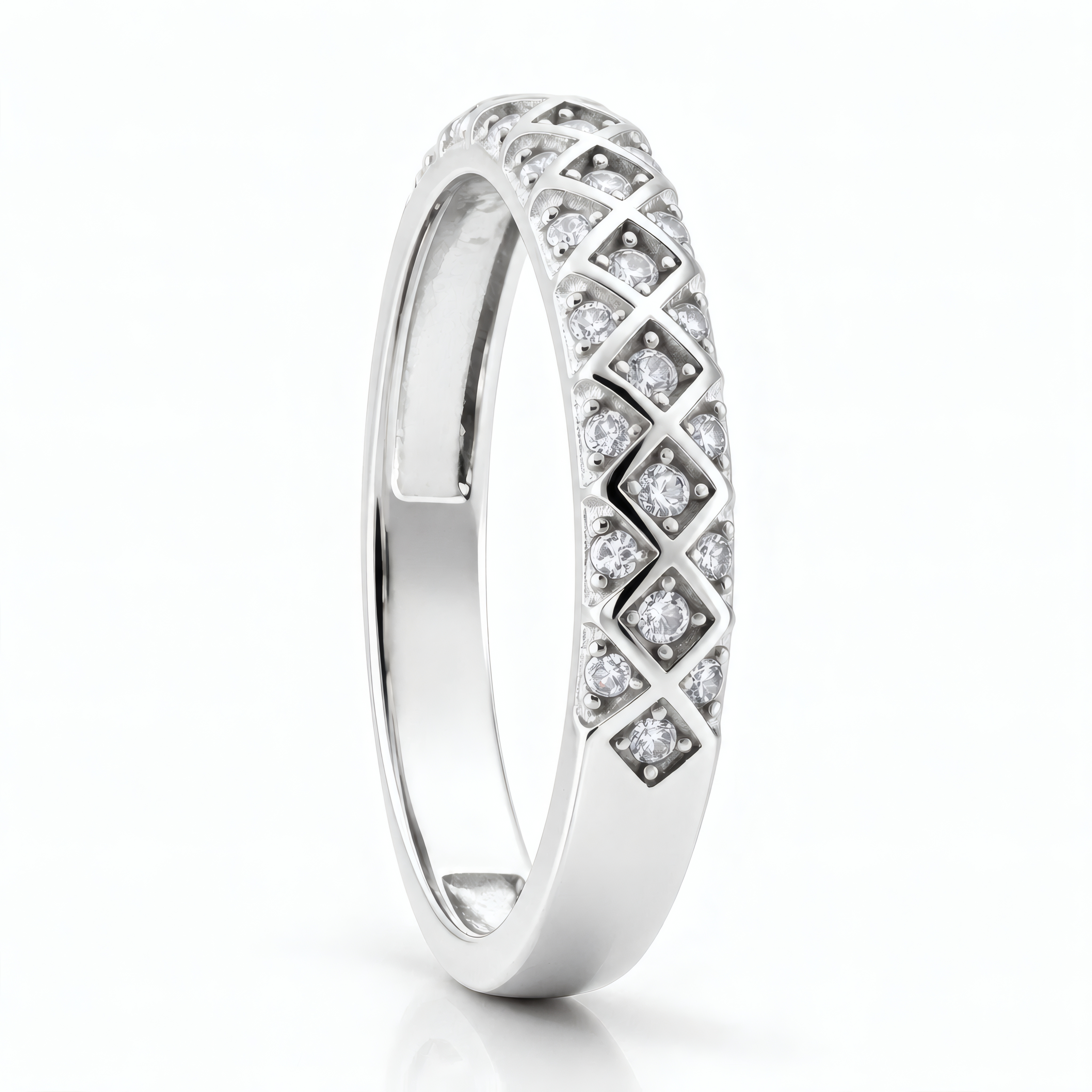
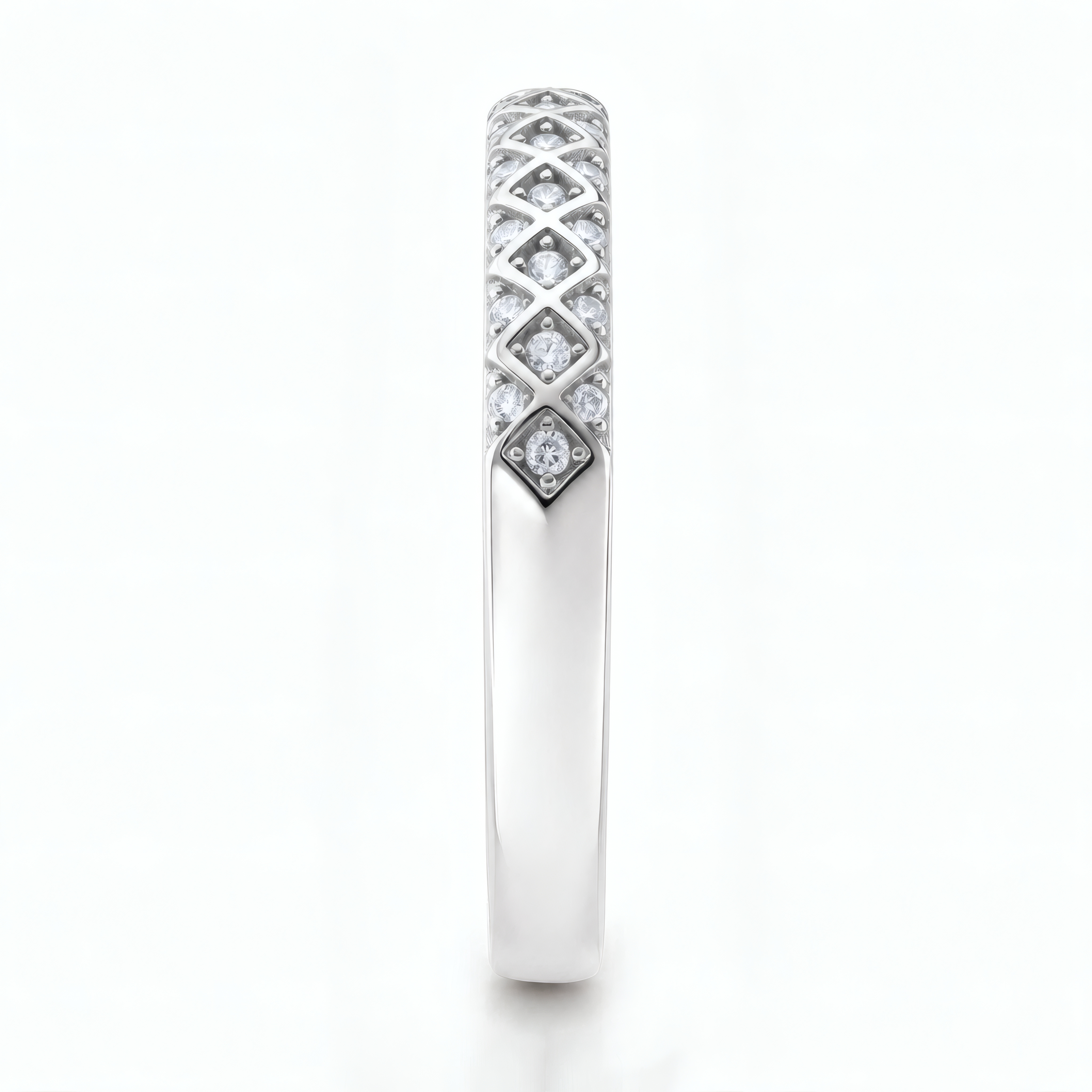
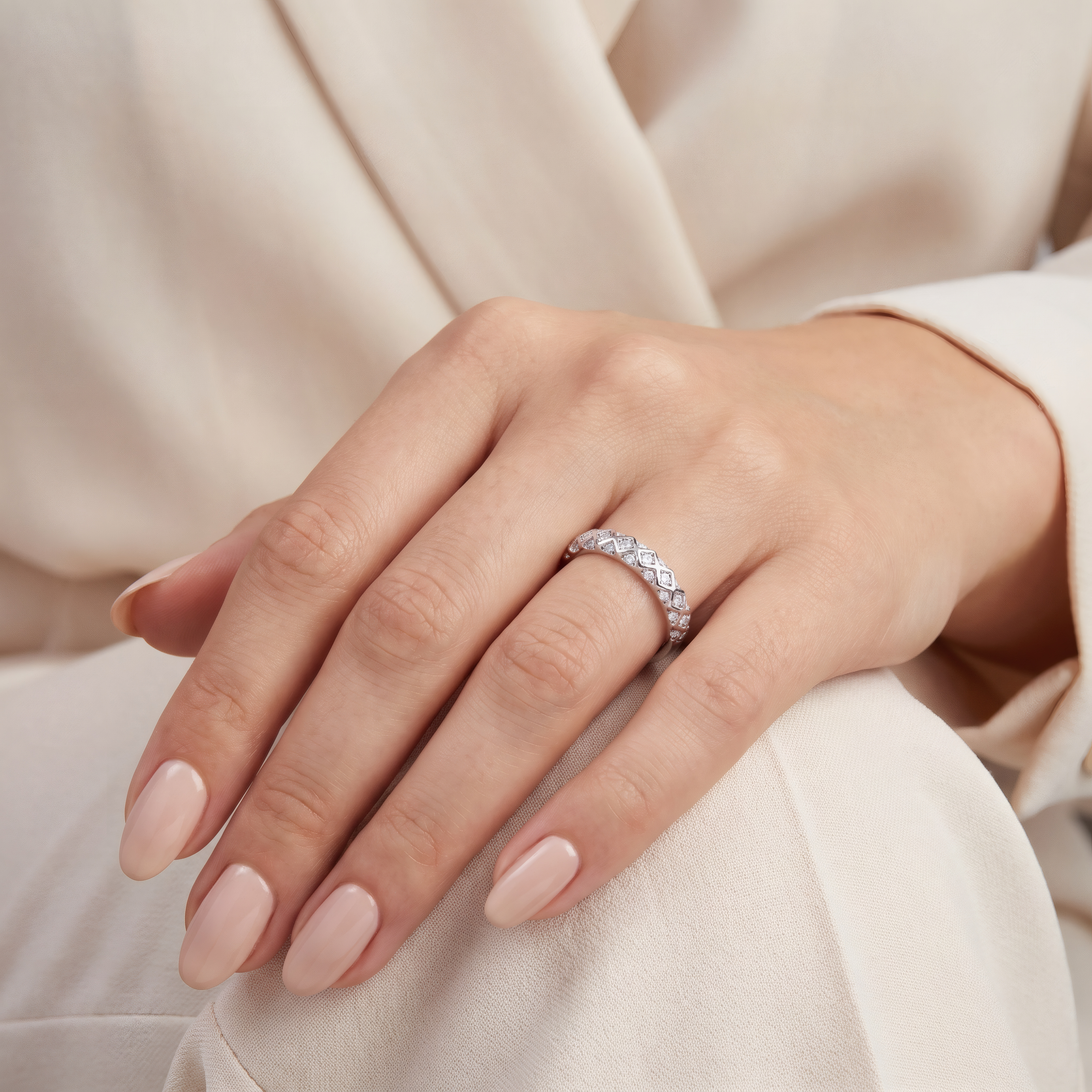
Every piece gets the same four shots: a front-facing hero, a side profile, a true edge-on profile, and a worn shot on a hand. Same convention whether it’s a ring, a pendant, or a bracelet, so the catalog reads as one coherent collection instead of a patchwork of styles.
Fidelity, made visible
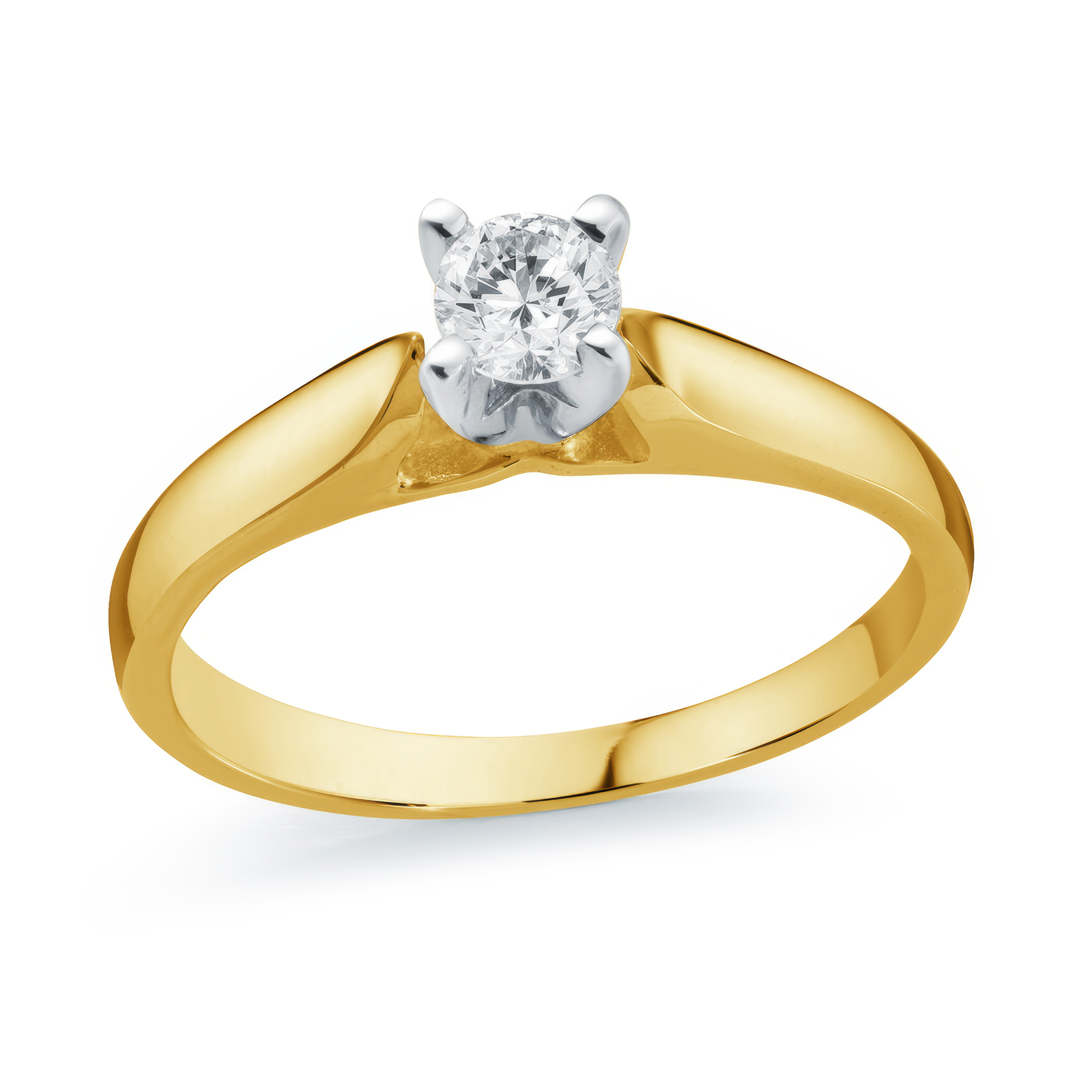
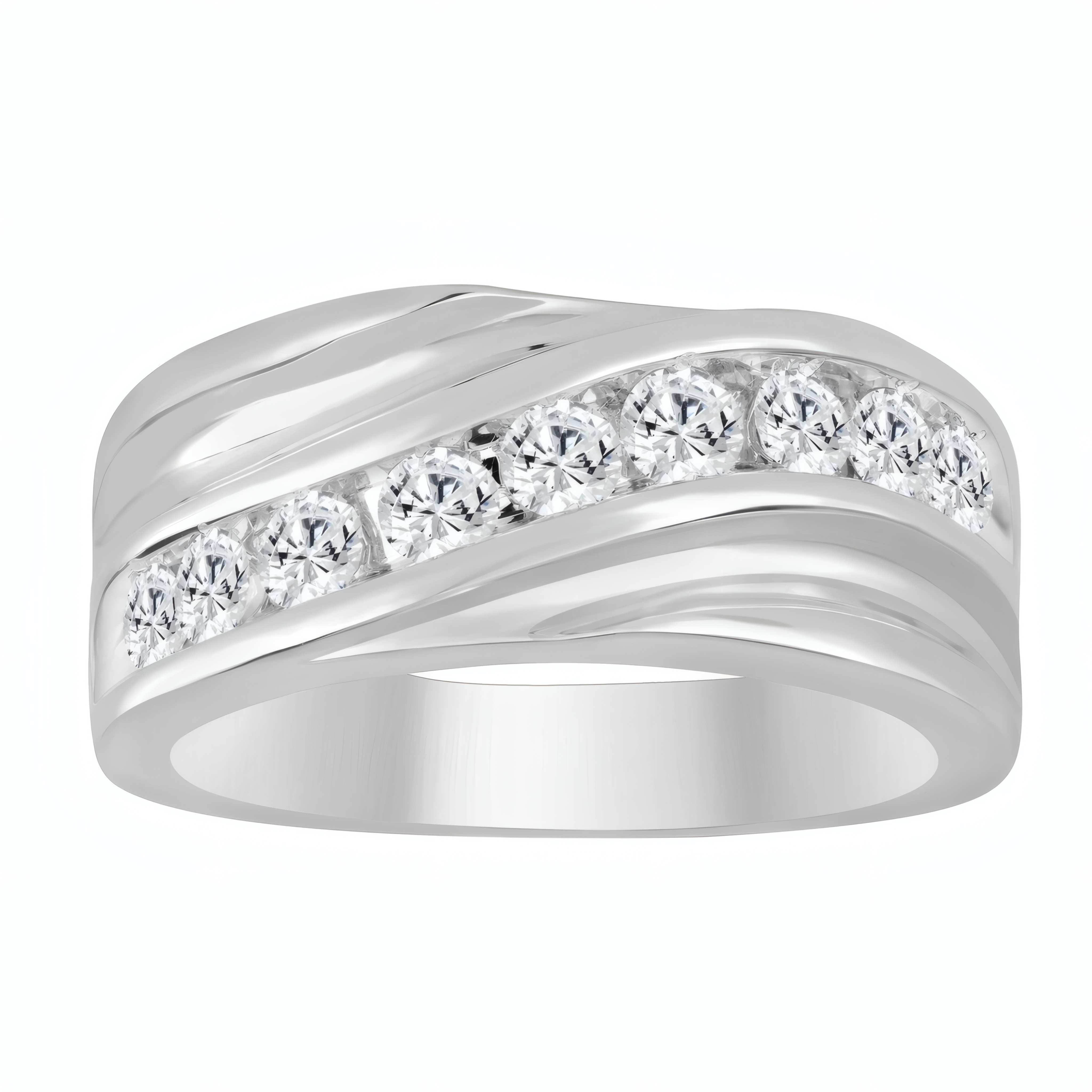
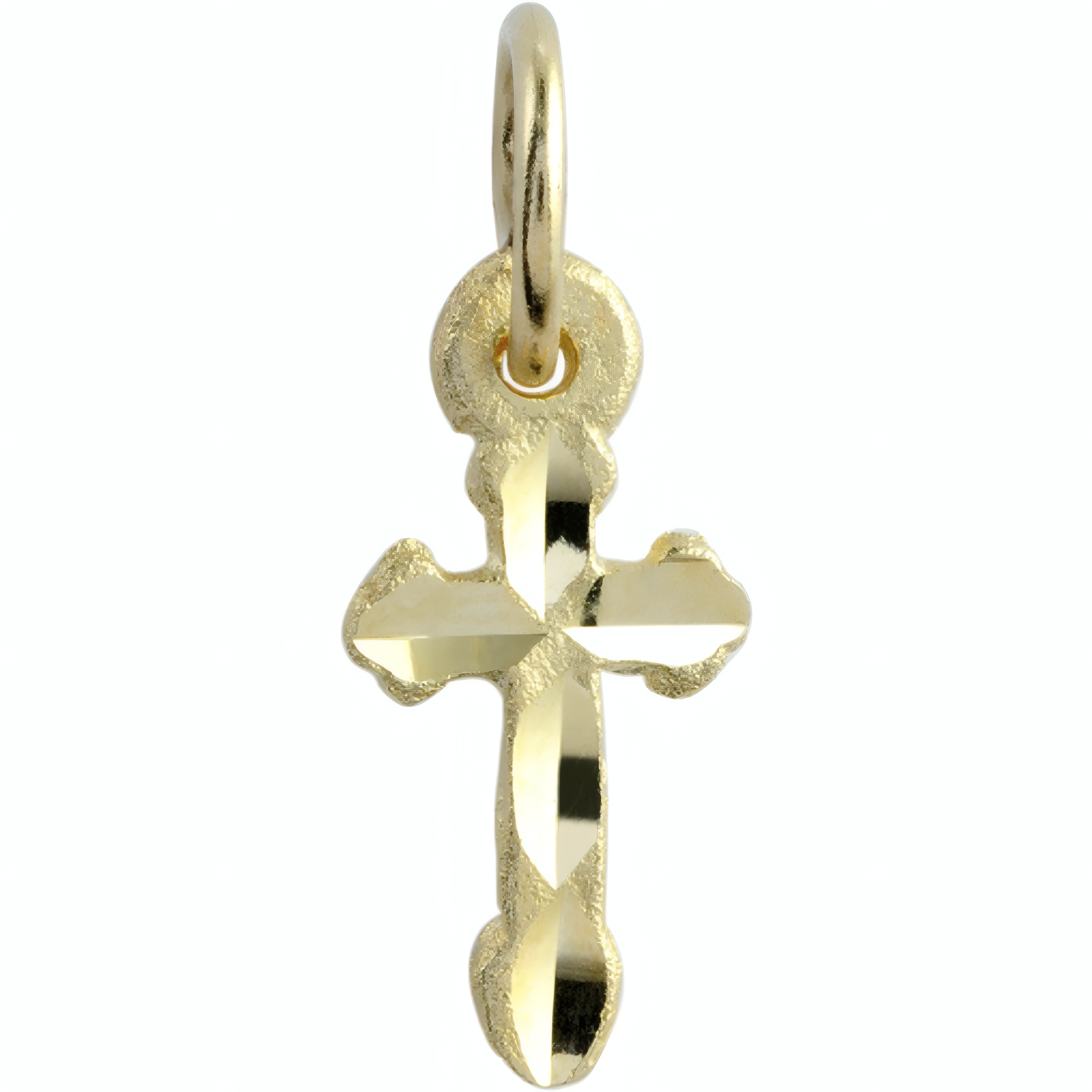
Every piece below shows the client’s own reference photo next to the AI-generated hero shot built from it, followed by the other three angles the pipeline produced. What starts as one catalog photo becomes a full studio set, matched stone for stone, prong for prong.
Rings
Pendants & Necklaces
Bracelets
Inside the pipeline
This isn’t one model and a lucky prompt. It’s a production system built from several specialized parts, each doing one job well, the way a real studio splits lighting, styling, and retouching across different people instead of asking one person to do everything.
Reading the reference before generating anything
A dedicated vision model studies every reference photo first, and only that description, not the raw photo, reaches the generation step. Splitting “look at it” from “build it” produces more accurate jewelry-specific detail (exact prong counts, stone-setting styles, chain rhythms) than asking one model to see and draw in the same breath.
The right generator for the right shot
No single image model is best at everything. Clean studio isolates, worn lifestyle shots, and the fine material rendering a diamond or a polished band needs each pull from a different model, chosen for that job, not defaulted to whichever one is convenient.
A material library, not a guess
Gold doesn’t reflect light like silver, and silver doesn’t reflect light like platinum. Each metal has its own real specular behavior, tint, and edge sharpness that a generic “shiny metal” prompt gets wrong by default. Every metal in the catalog is backed by its own researched rendering language, checked against real photography.
A stone library, not a sparkle filter
A diamond’s brilliance, fire, and scintillation are three different optical effects, and they’re different again for a sapphire, a pearl, or an opal. Every stone type has documented optical behavior on file, so a render reads as a real gem under real light instead of a generic sparkle painted on top.
A pose and wardrobe library, tracked, not repeated
Worn shots draw from a structured library of hand poses and wardrobe options, split by register and gender, with the last several pieces excluded from the draw so the catalog doesn’t quietly repeat the same pose. A real catalog looks like many different moments, not one photo reused with a different ring dropped in.
Purpose-built 3D, when 2D isn’t enough
Some angles fight a purely 2D generation every time: a true edge-on profile, an exact hero tilt. For those, a small custom geometry model locks the camera angle by real math instead of hoping a prompt gets read correctly. Built once per category, reused across every piece in it.
Delivery-grade, not generation-grade
A generated image at delivery resolution isn’t the same as a generated image, period. Every approved shot goes through its own upscale and compression pass tuned for catalog and web use, so what ships is print-sharp, not just screen-preview sharp.
Seven distinct systems, one consistent shot. That’s the gap between a person typing a prompt and a pipeline built to run a catalog.
A living library
This is a living library, not a finished set. New pieces get added as they’re approved, and the shot list above is the standard applied to every one of them, today and going forward.