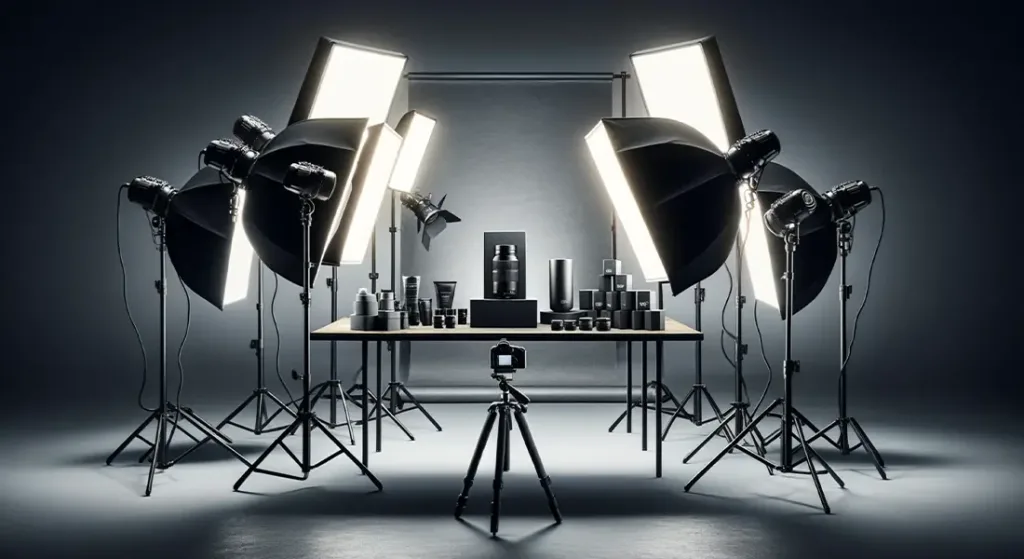
Product photography
Product photography directed and shot for Amstel, Ferme Ali Sfar and Creative Tunisia, built to hold up in print and on a product page.
Three clients, three different jobs
Product photography is not one job. A campaign image has to make someone want the thing. A listing image has to let someone compare it against four others and decide. A catalog image has to do both and carry where the object came from. Same discipline, three different briefs, and getting them confused is how a shoot ends up serving nobody.
Amstel: make it wanted
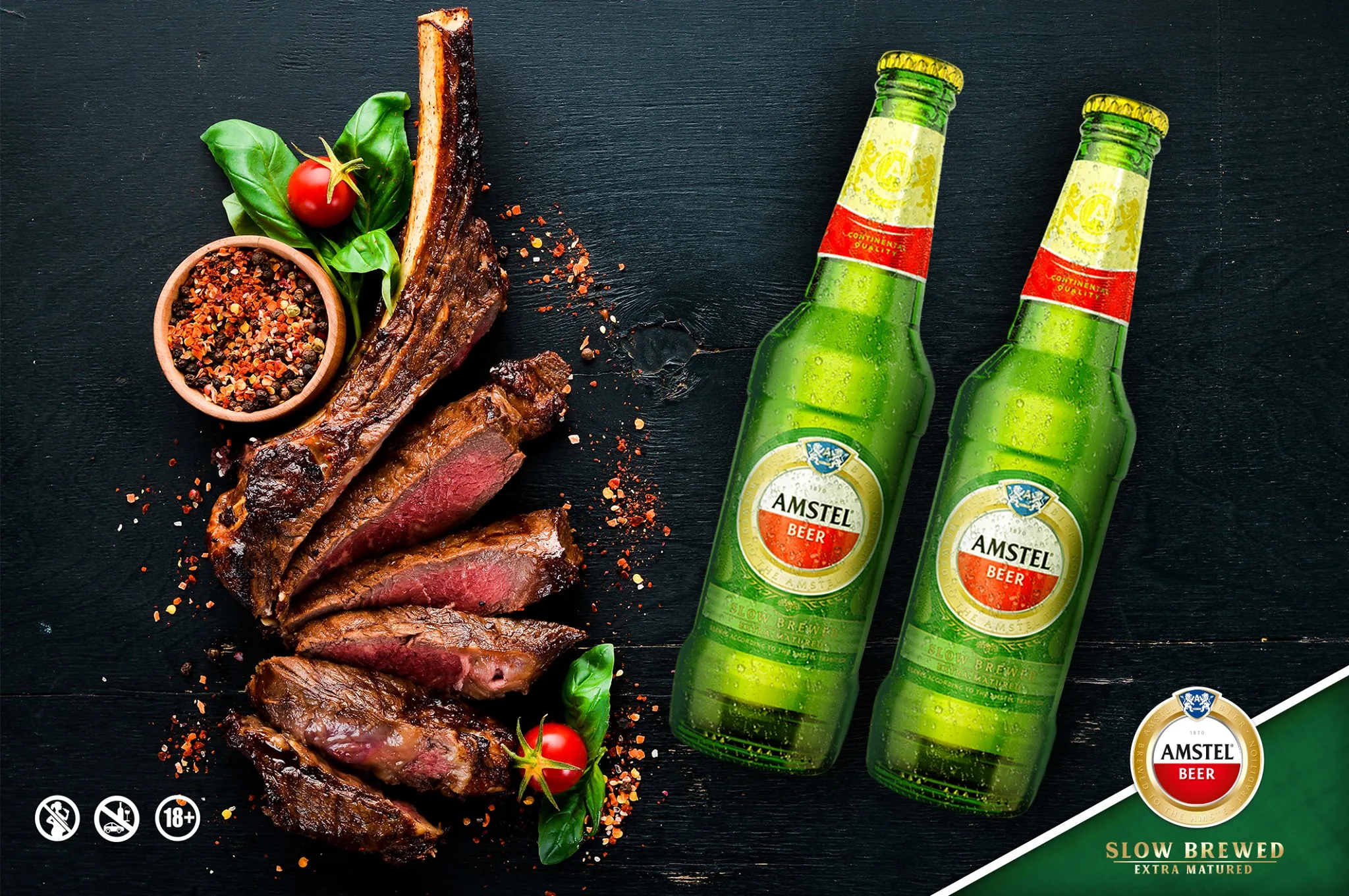
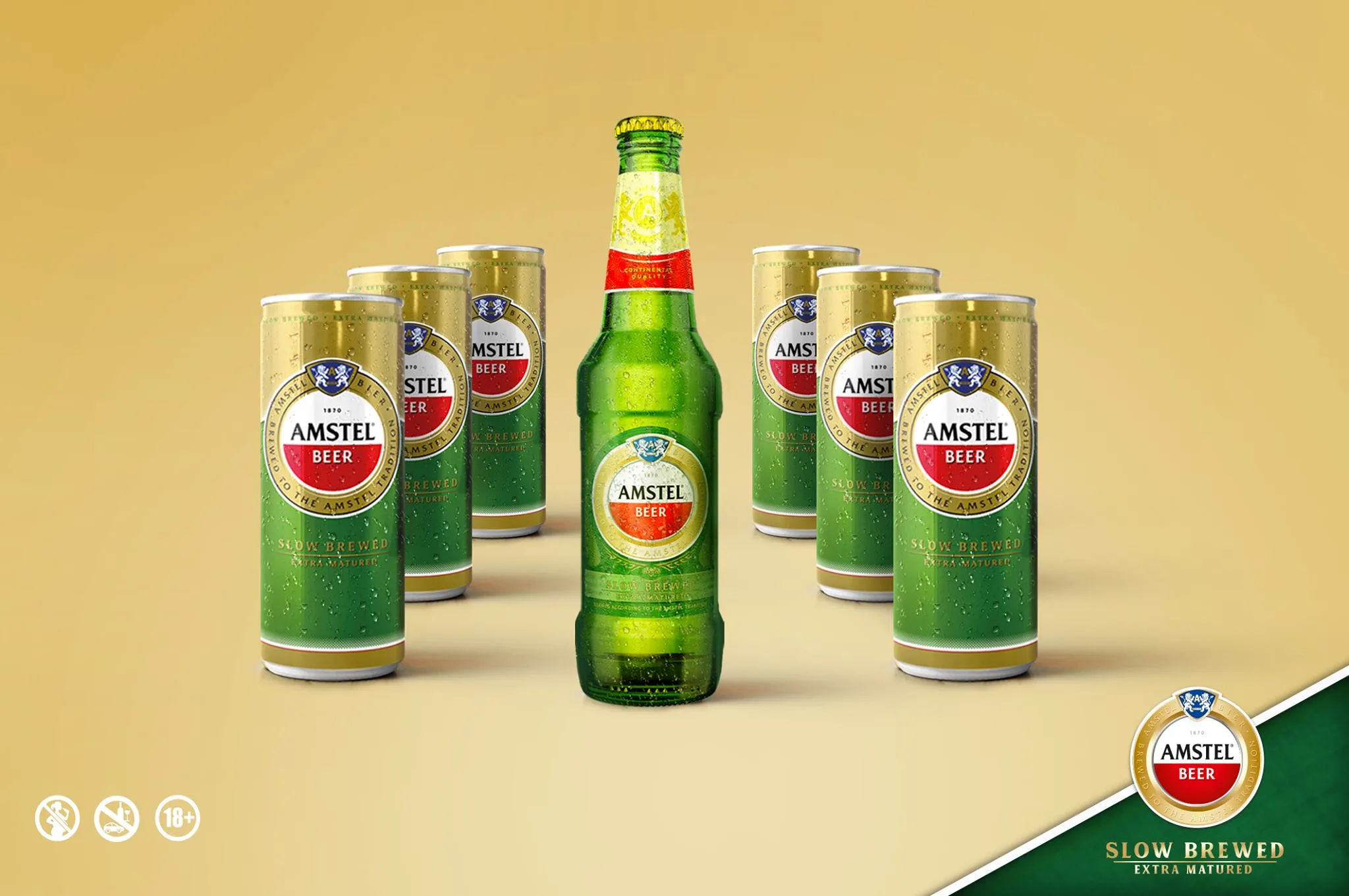
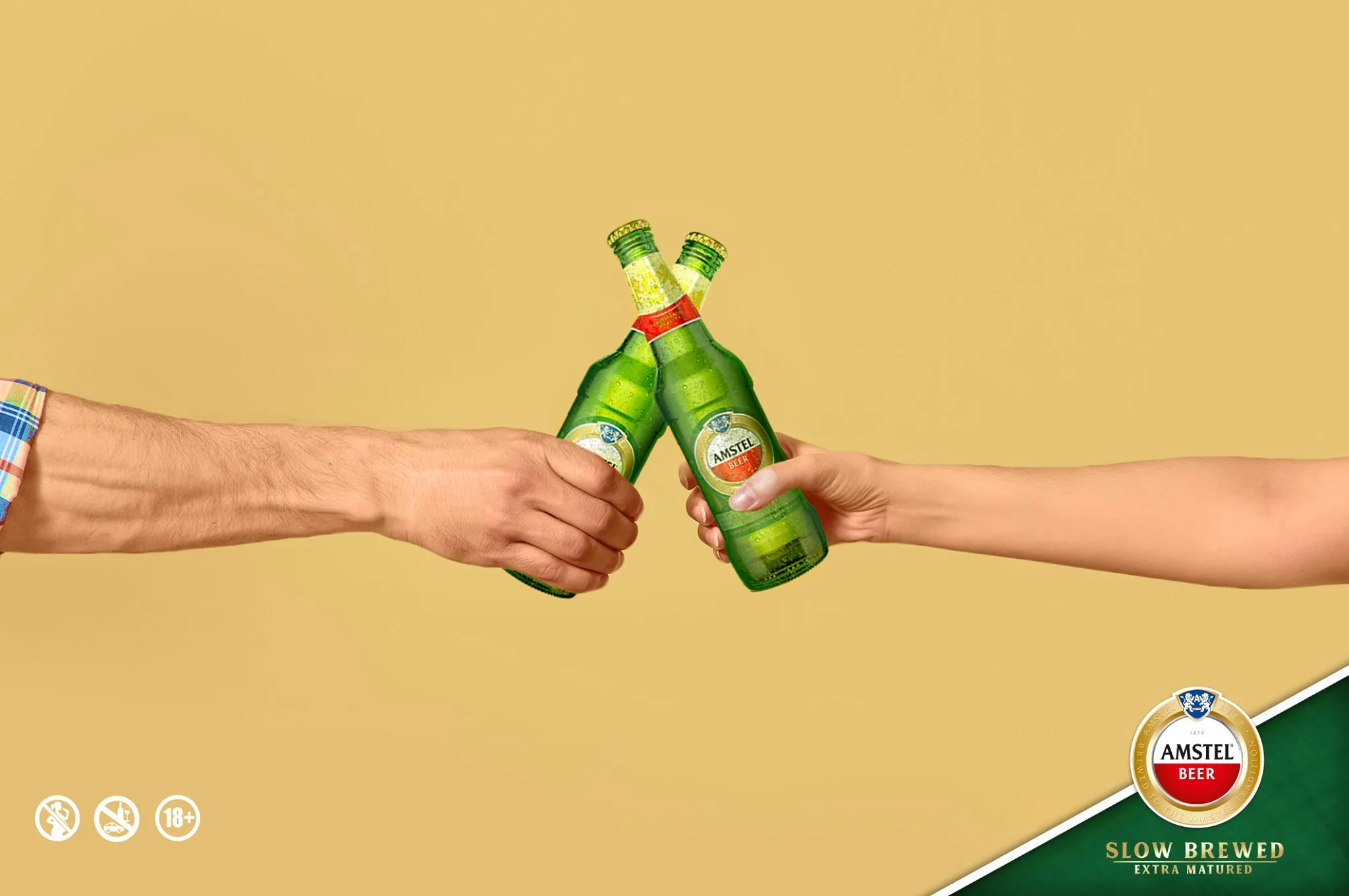
Built images rather than plain packshots. The bottles and cans were shot to a controlled lighting setup, then composited into the scenes the campaign needed: a dune at sunset, a slate board of grilled meat, two hands meeting mid toast.
The brand lockup and the mandatory legal marks sit in every frame. On alcohol advertising that is not something added at the end, it is a constraint on the composition from the first sketch, because the corner they occupy is a corner the picture cannot use.

Ferme Ali Sfar: make it comparable
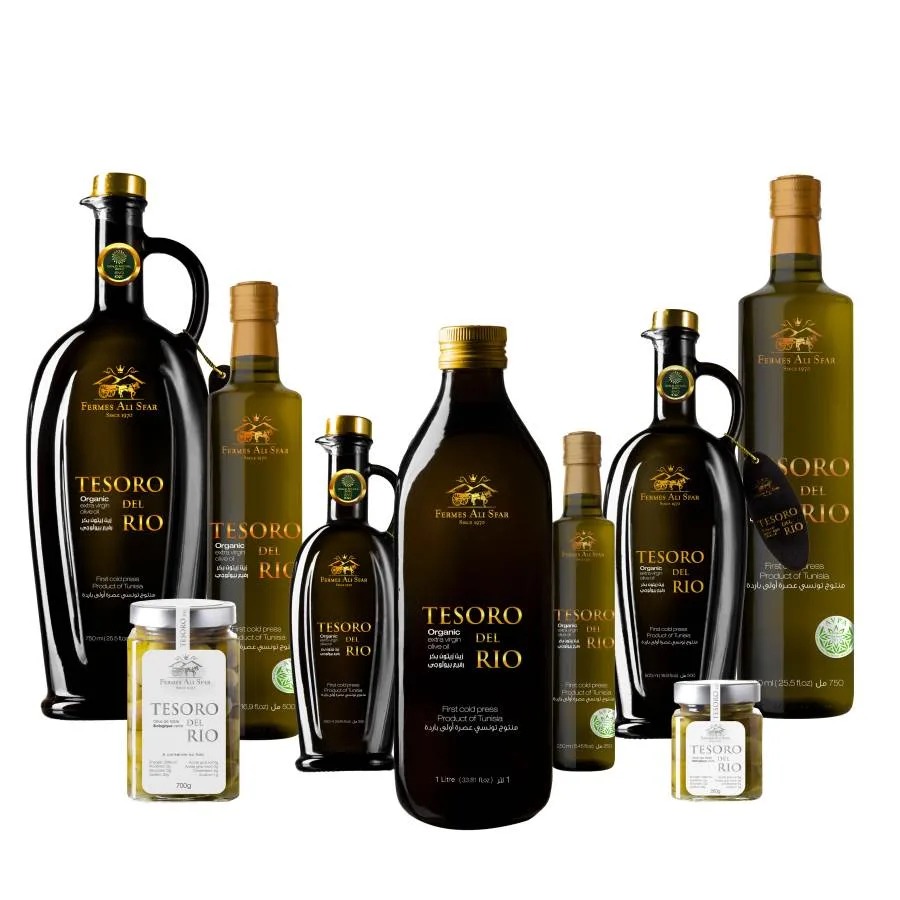
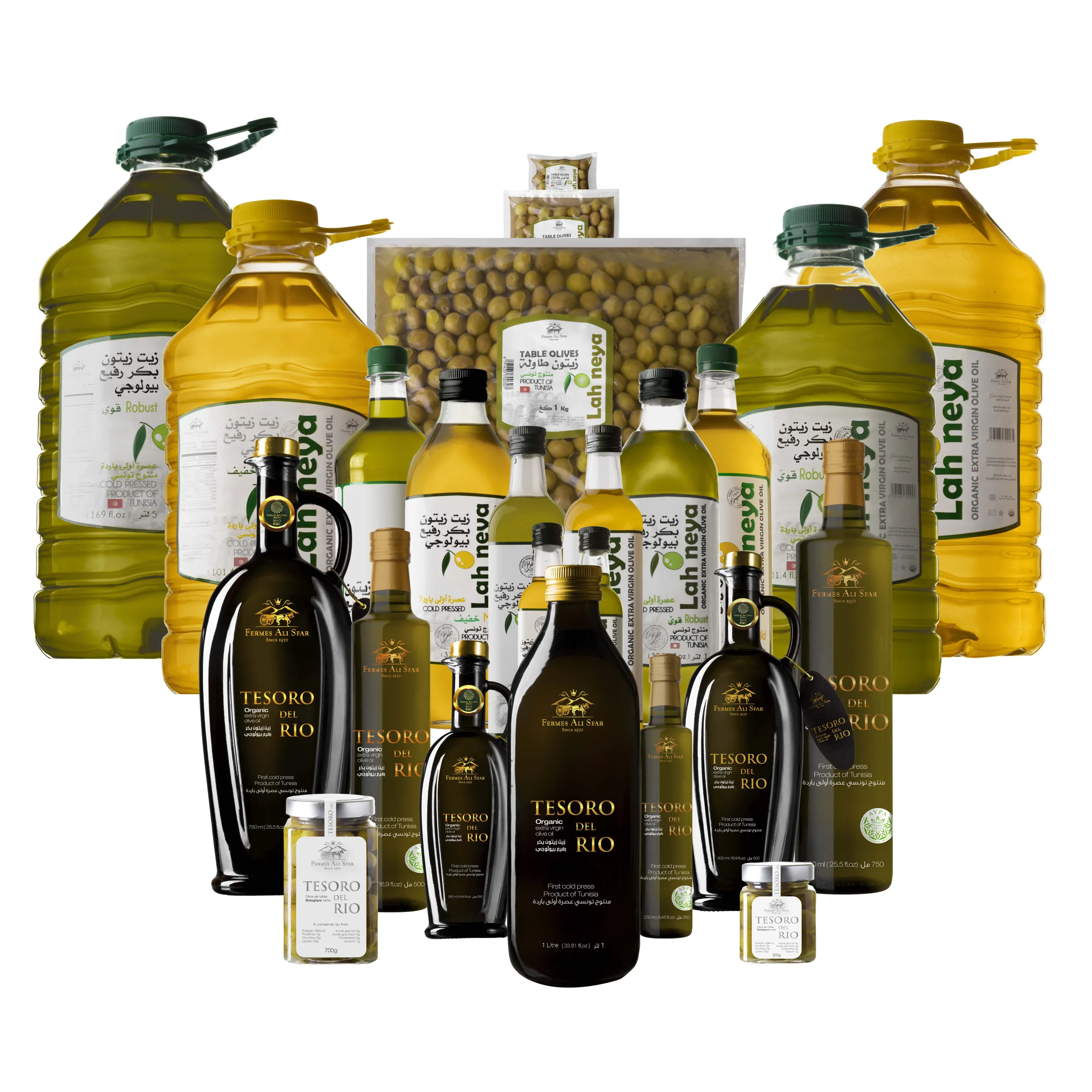
Two ranges under one producer: Tesoro del Rio, the premium olive oil in dark glass, gift boxes and jute, and a value range in plastic. Cut-outs on white, because a listing photograph is doing a job closer to a specification than to an advertisement. Nothing in the frame that is not the product.
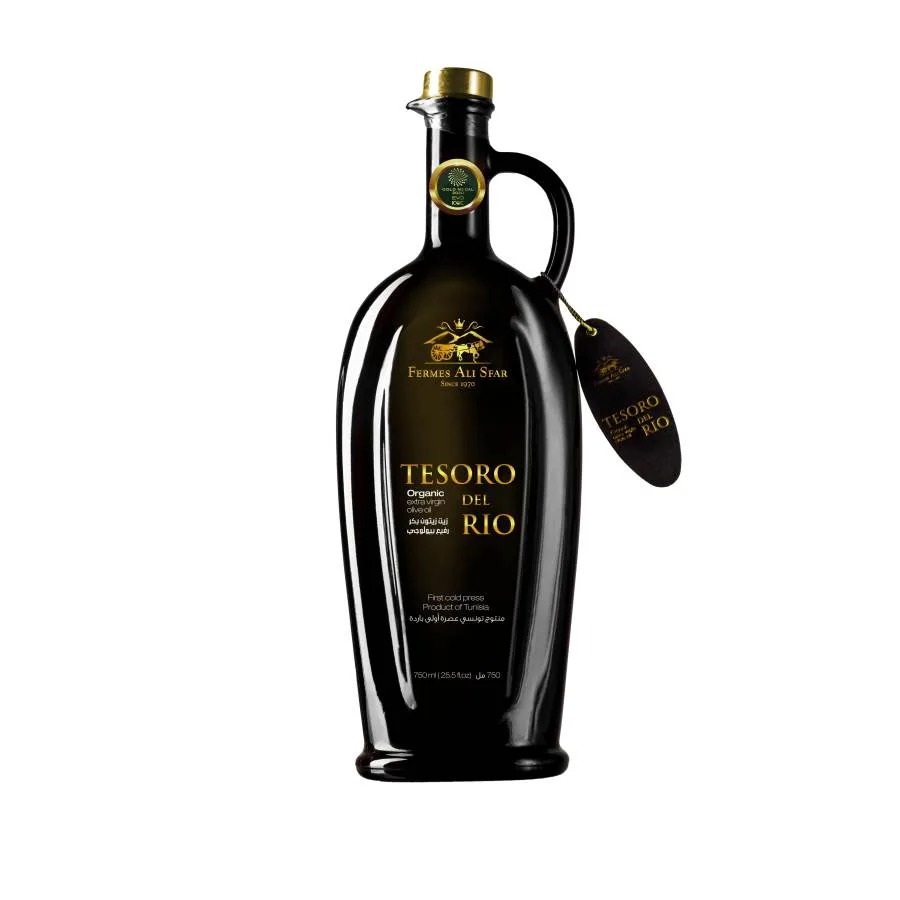
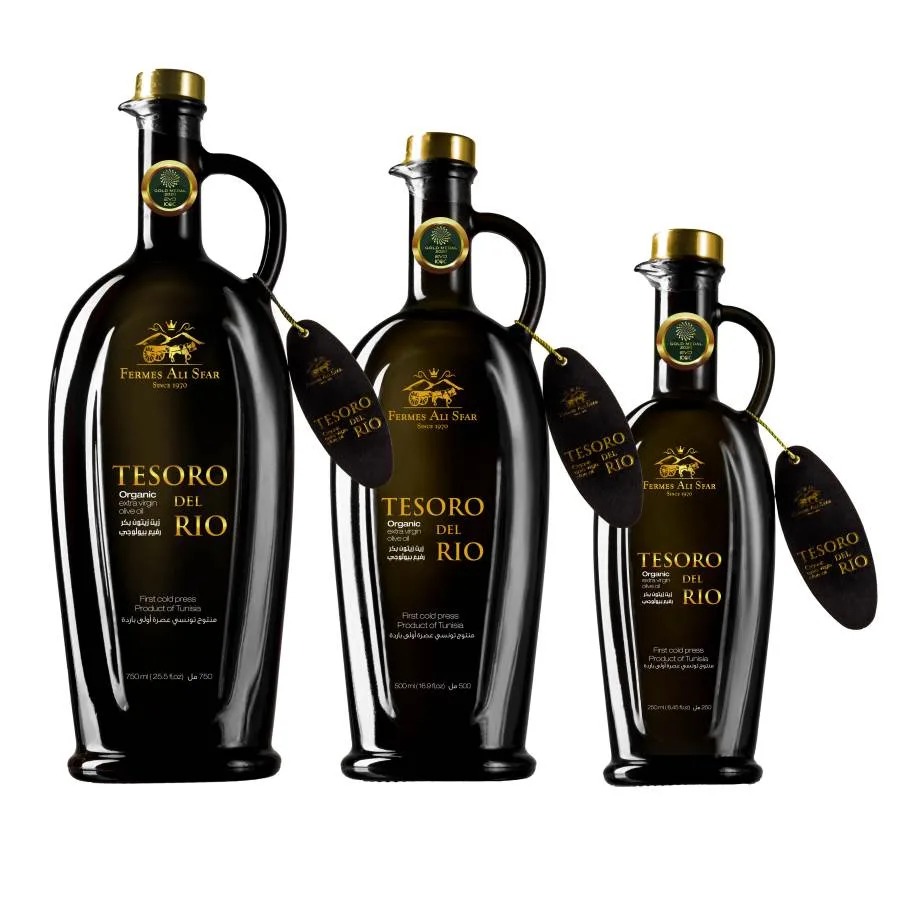
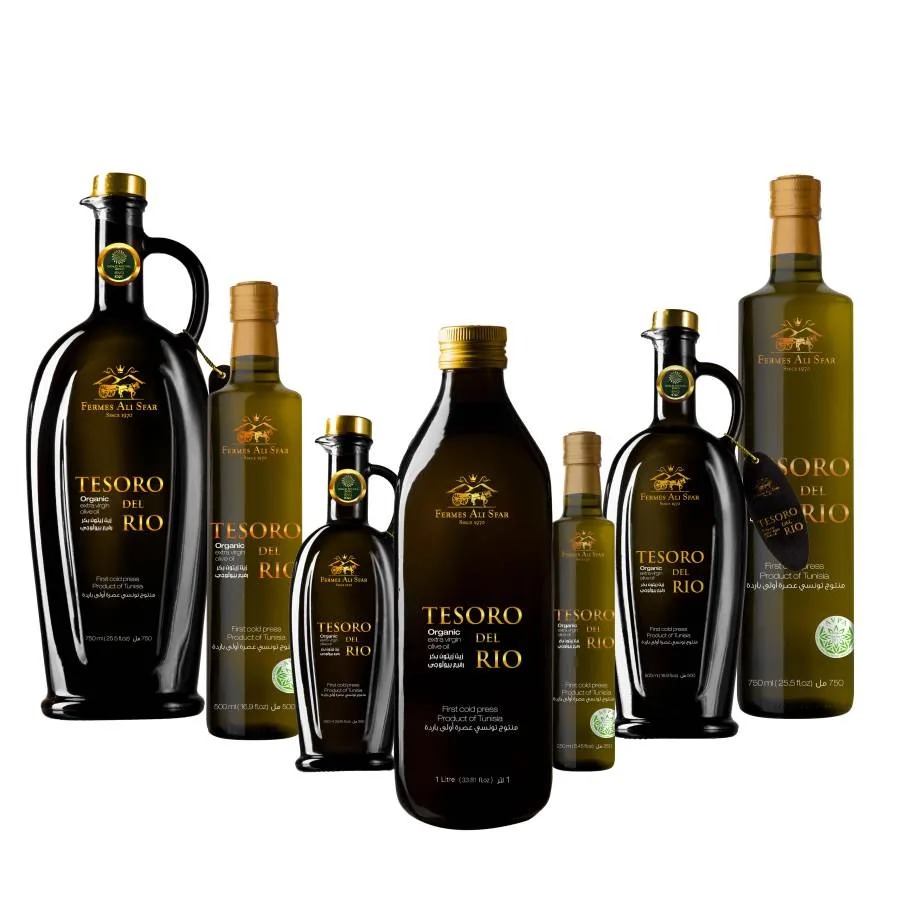
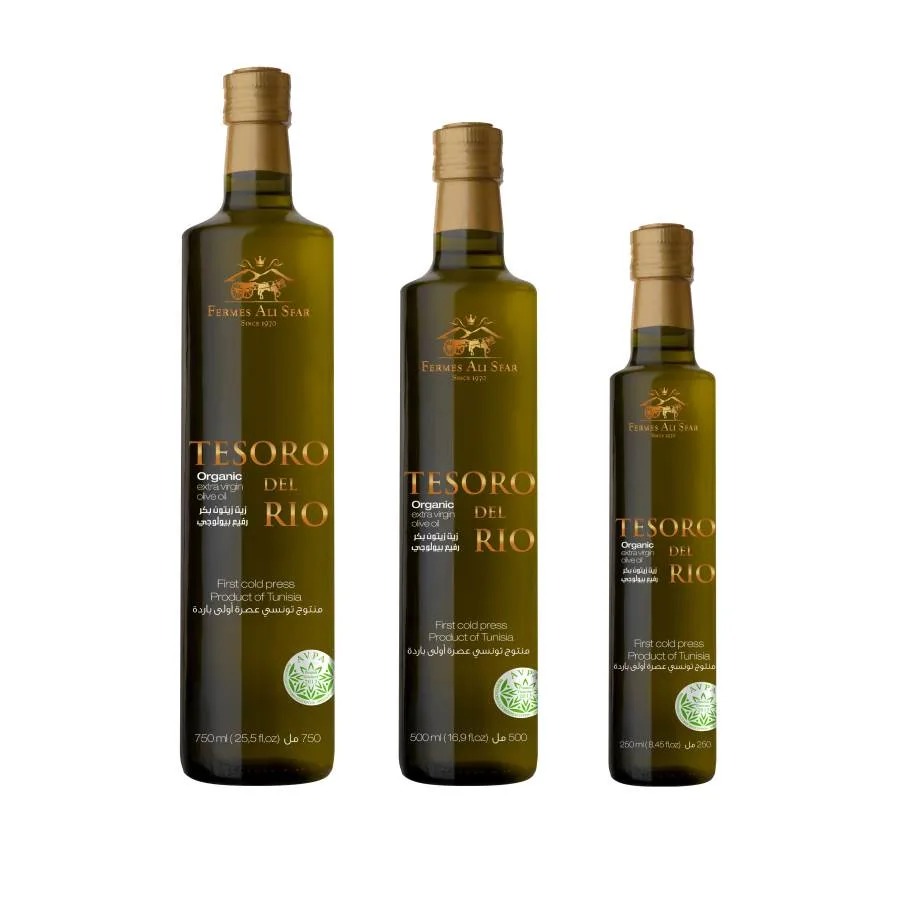
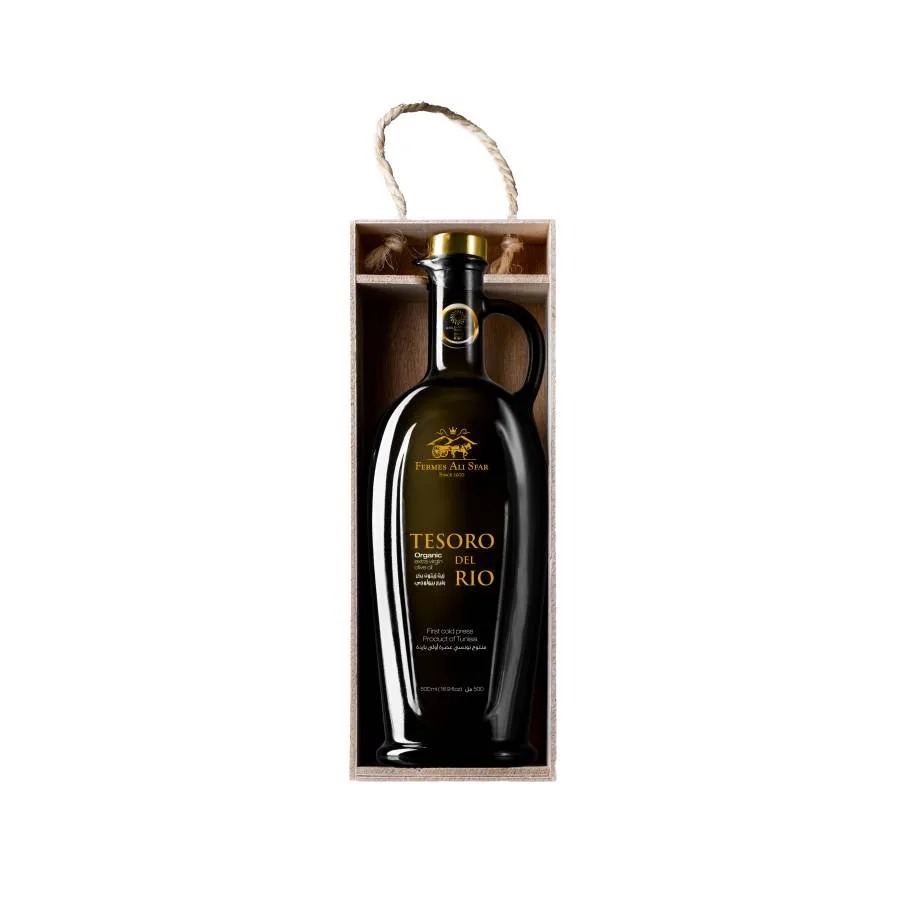
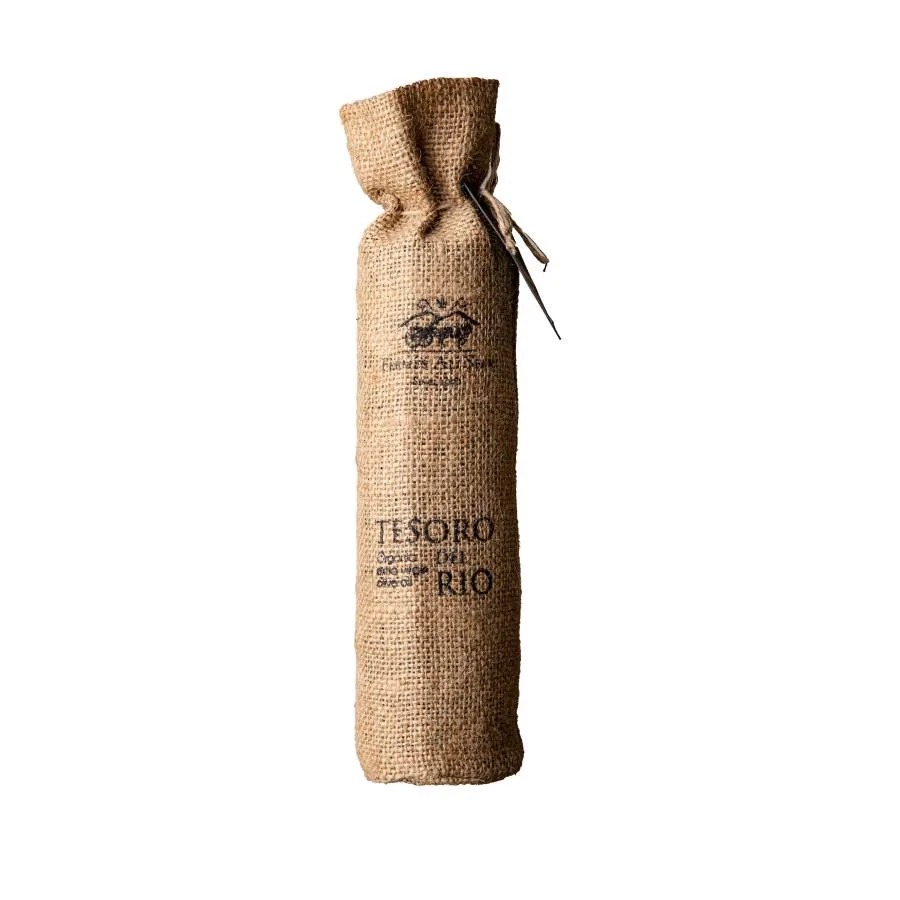
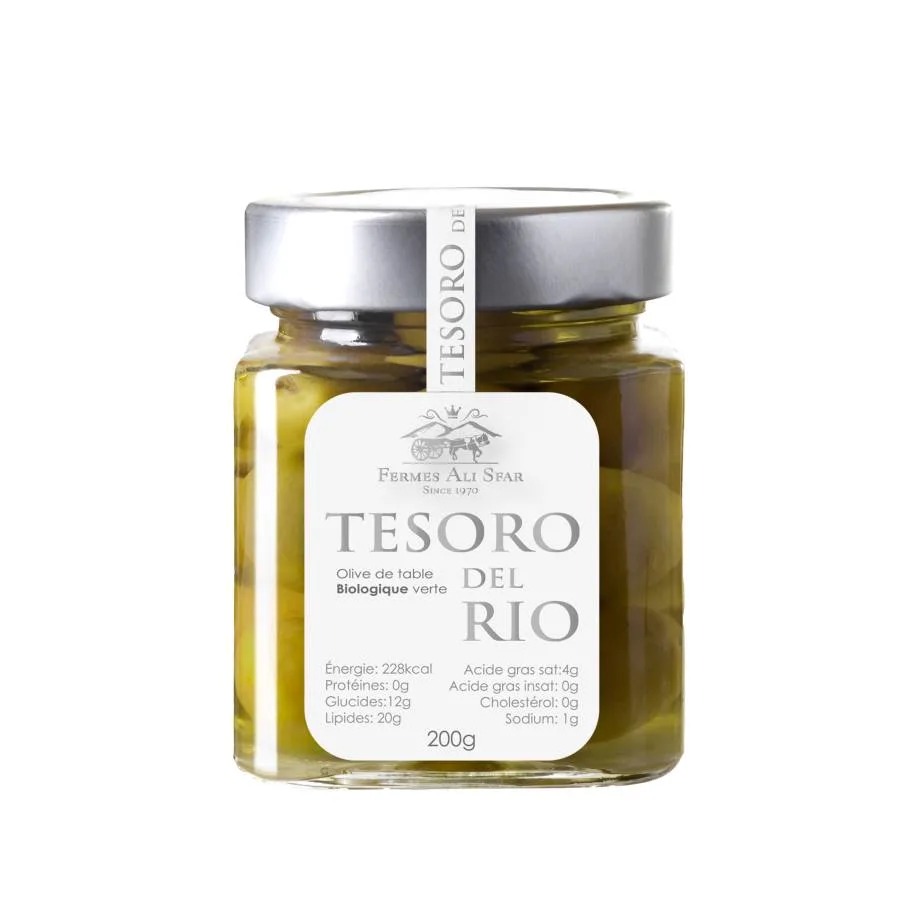
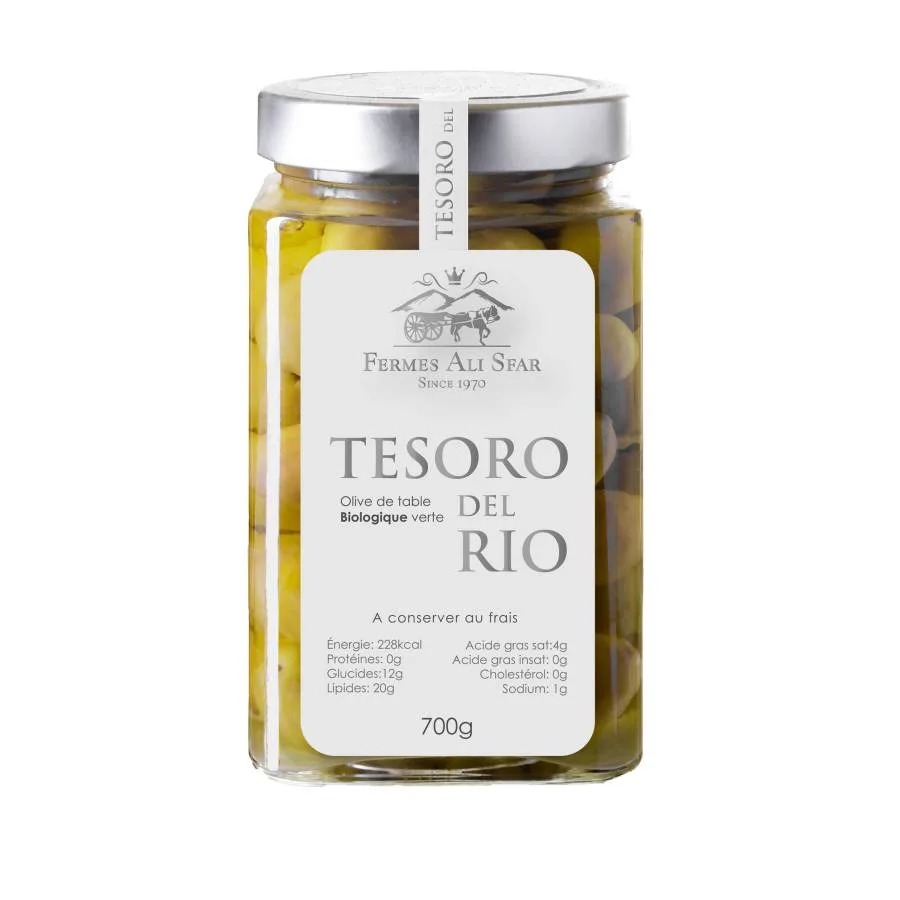
The range shots are the reason the setup mattered. Fifteen to twenty products drop into a single frame at consistent scale and consistent light, which only works if every bottle went through the same setup in the first place. Shoot them ad hoc and no amount of retouching makes the group photograph sit together.
Creative Tunisia: make it worth its price
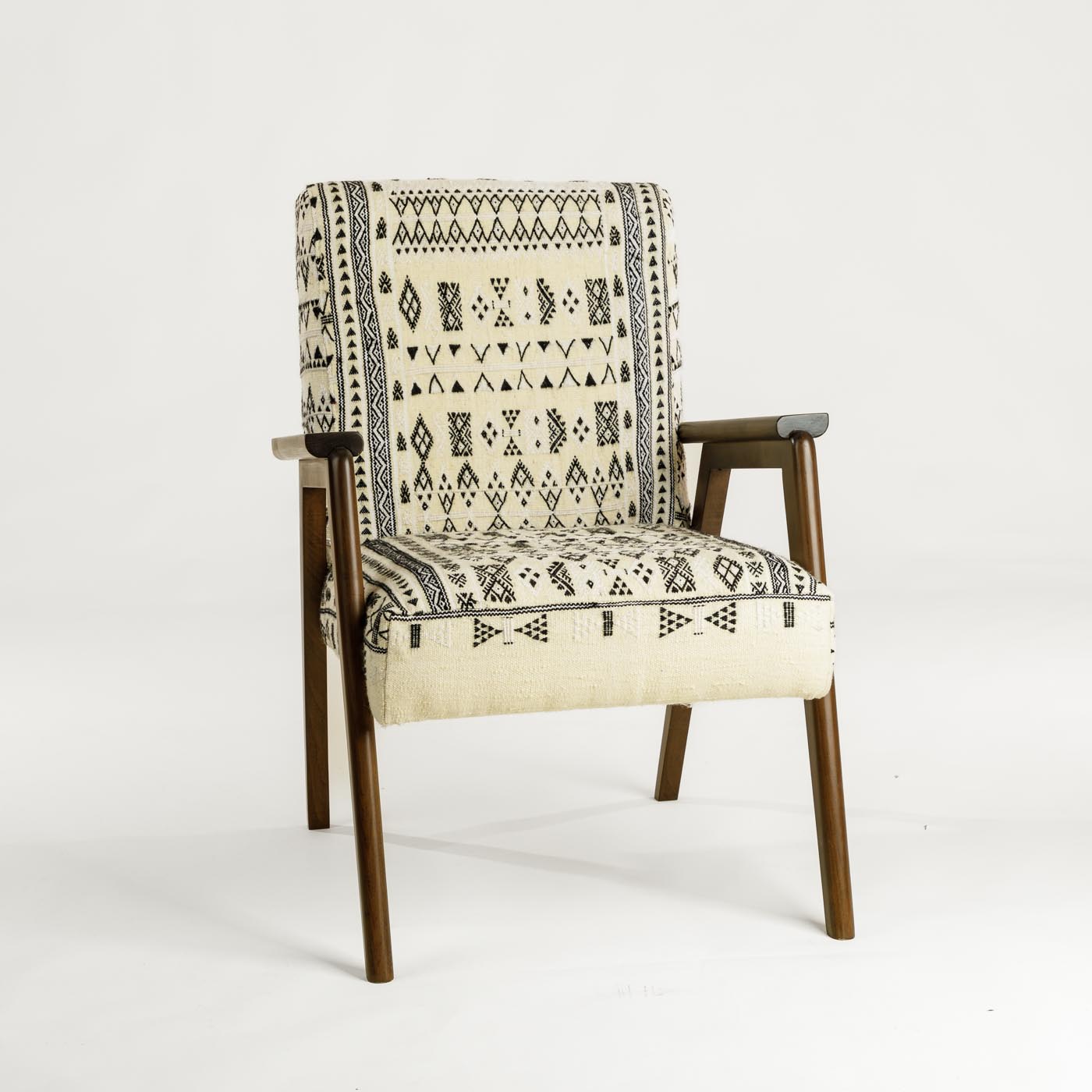
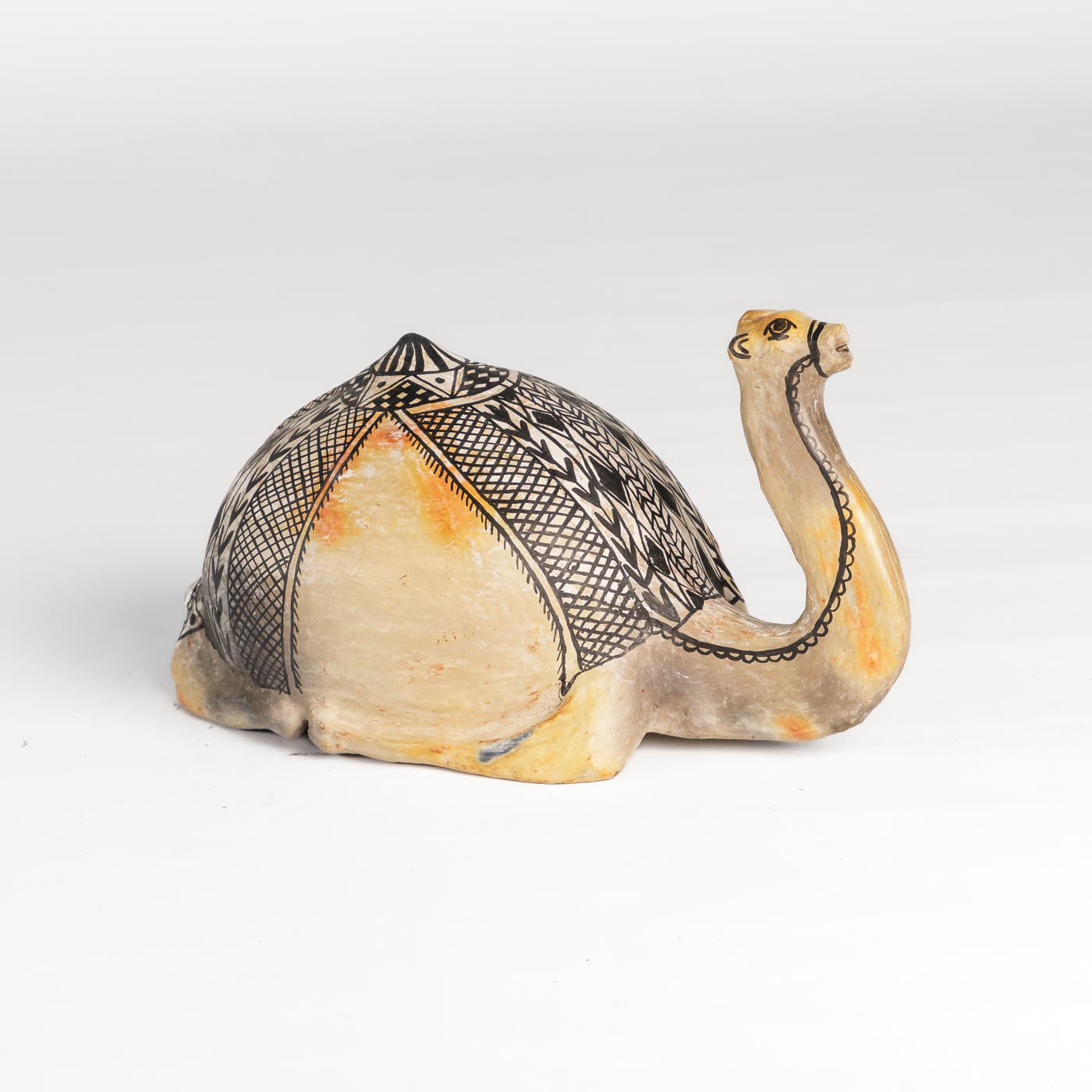
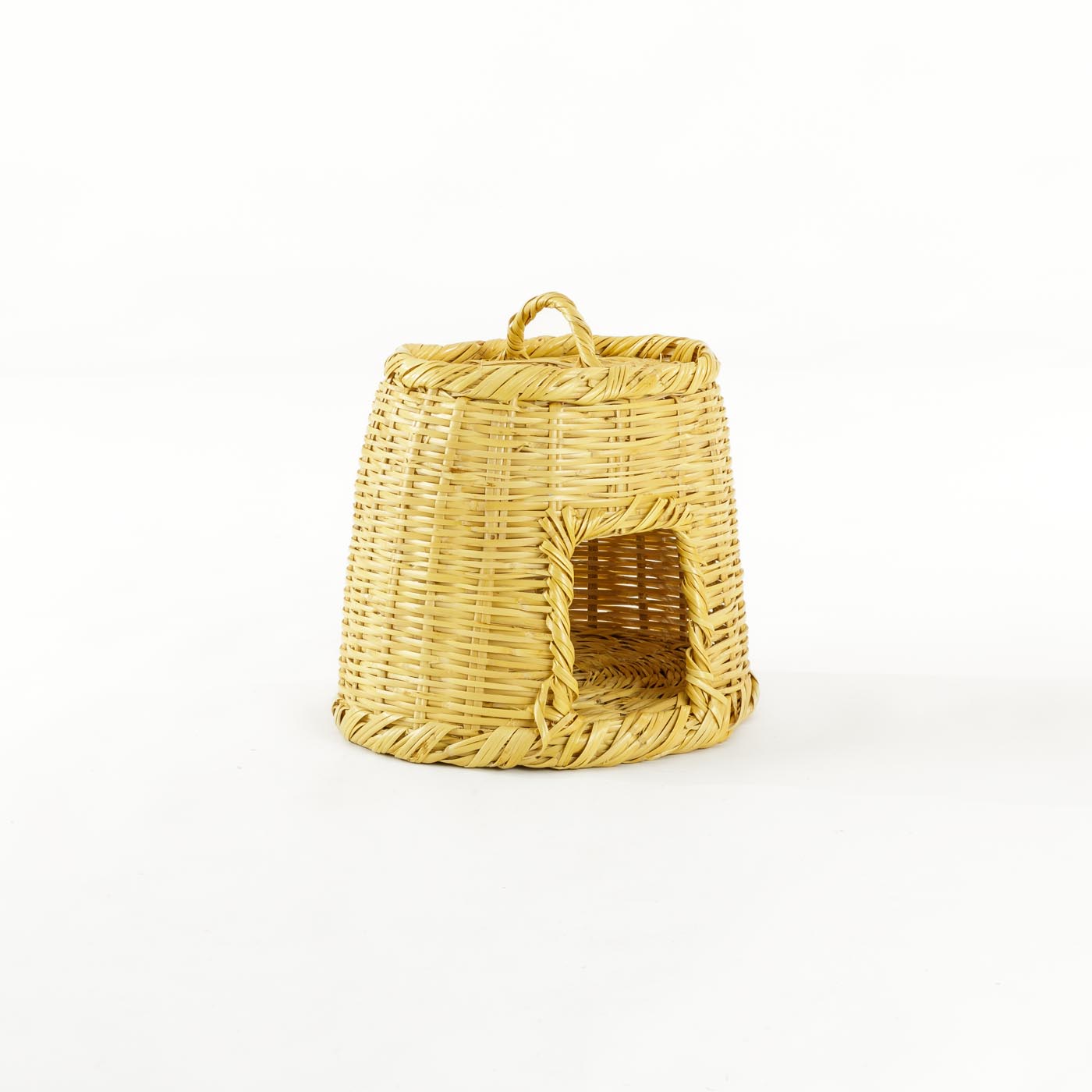
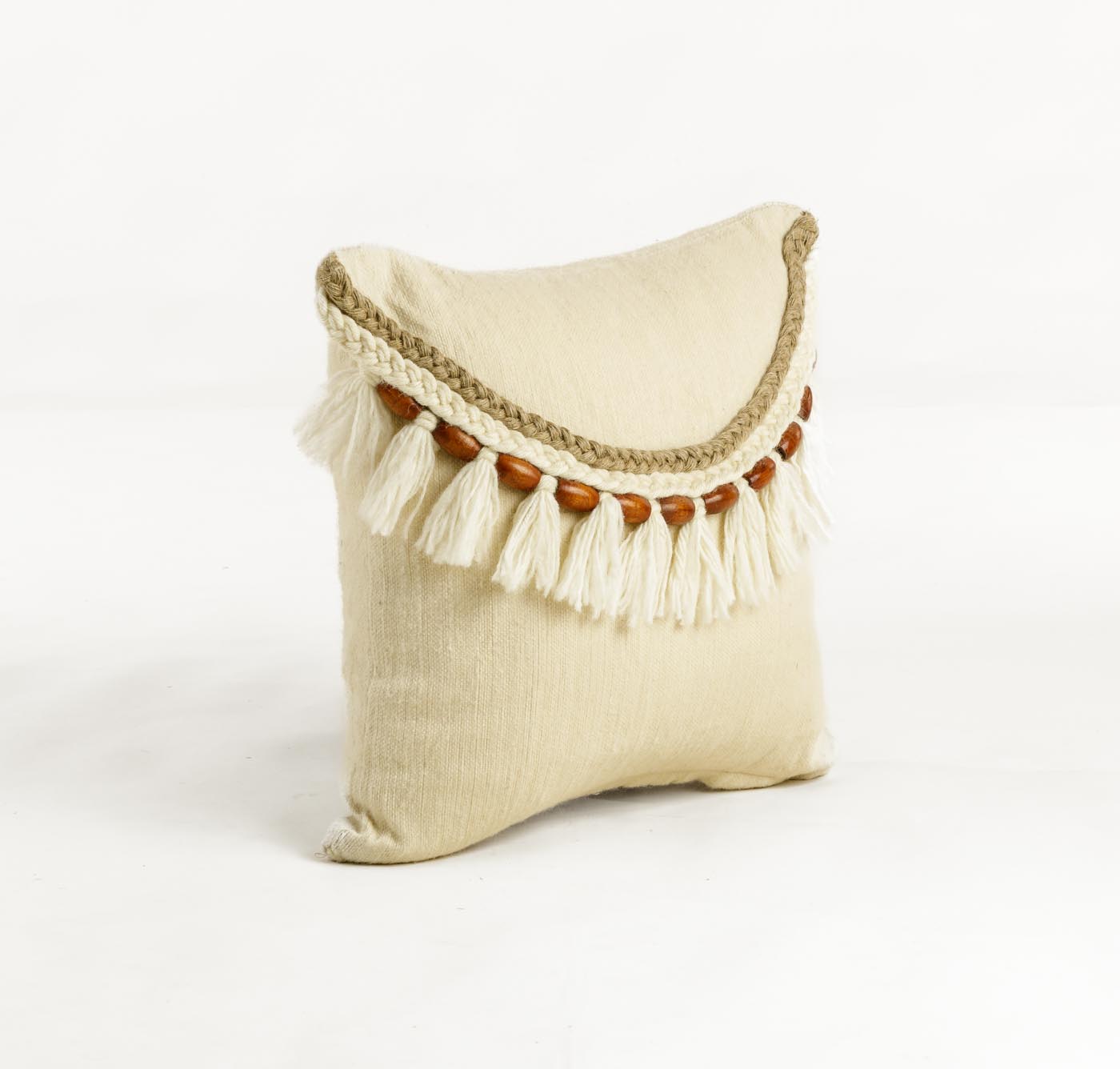
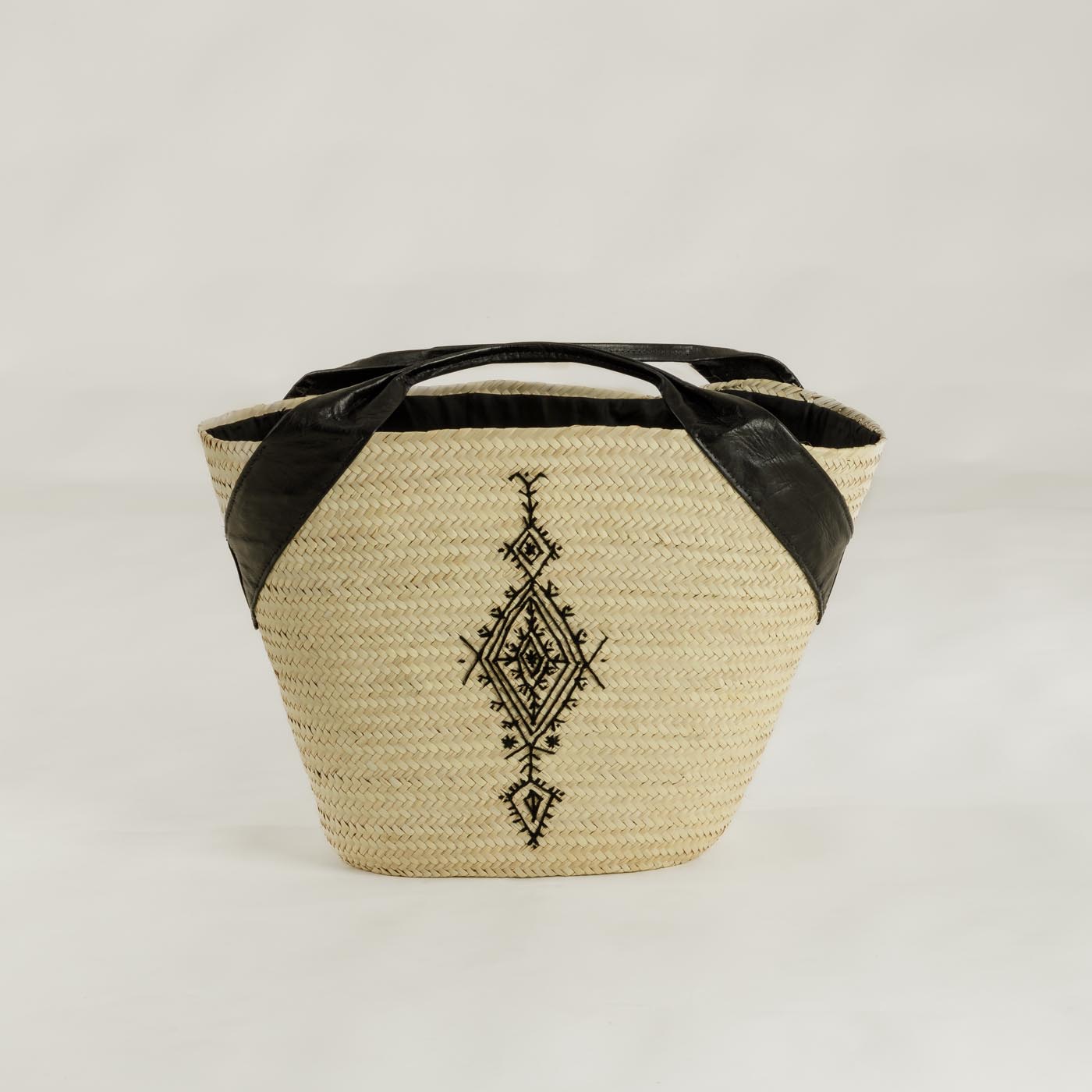
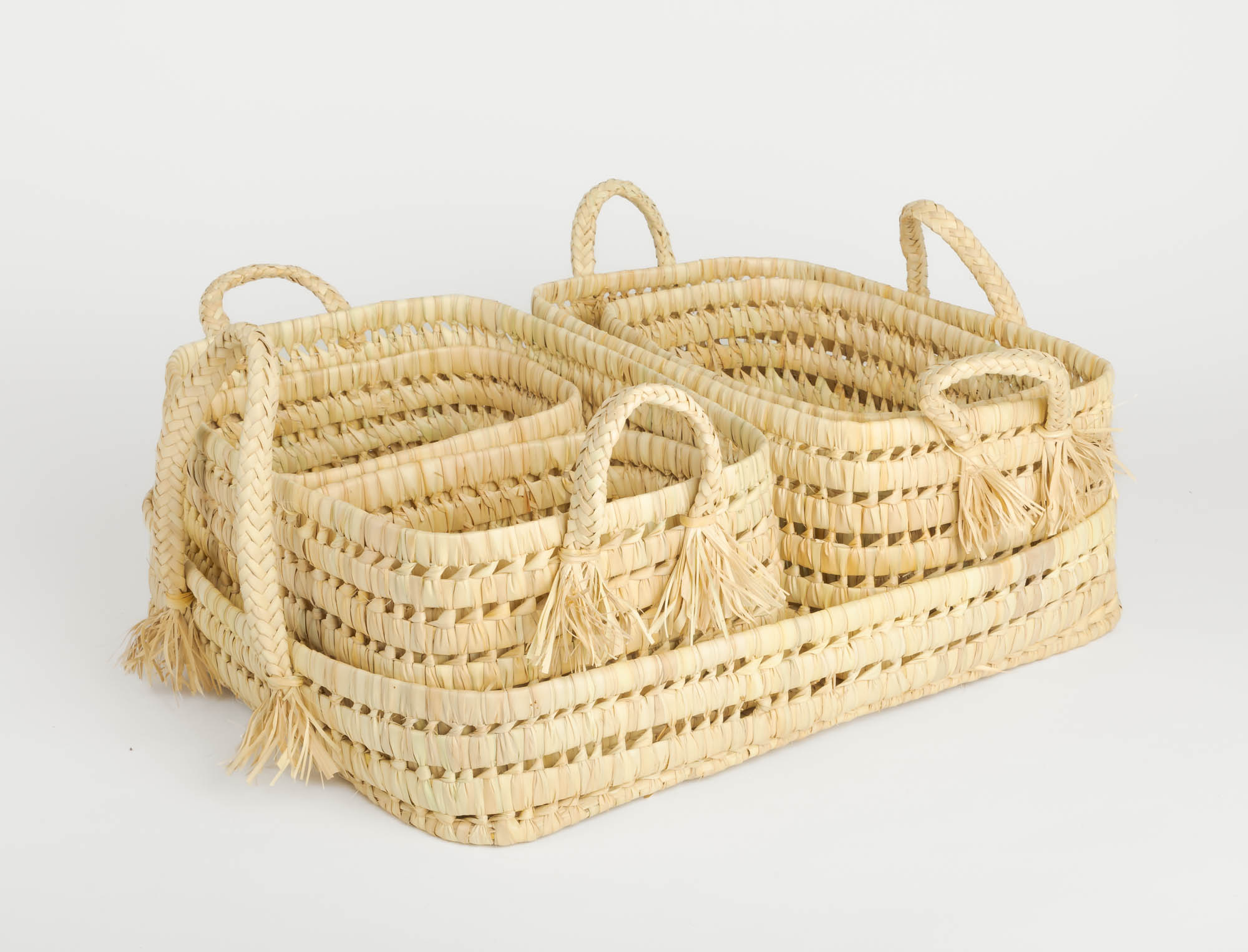
Artisan products for the fifteen catalogs, where the photograph has to be neutral enough to compare and the book around it has to explain why a handmade piece costs what it does. The full project, including the layout and the reportage, is its own case study.
Read the Creative Tunisia case study
What the job actually is
Concept, lighting design, styling, and the retouch, on all three. One person across the whole chain is not a boast, it is the reason a range holds together: the person deciding how the light falls is the person who has to make twenty products look like they belong in the same frame six weeks later.