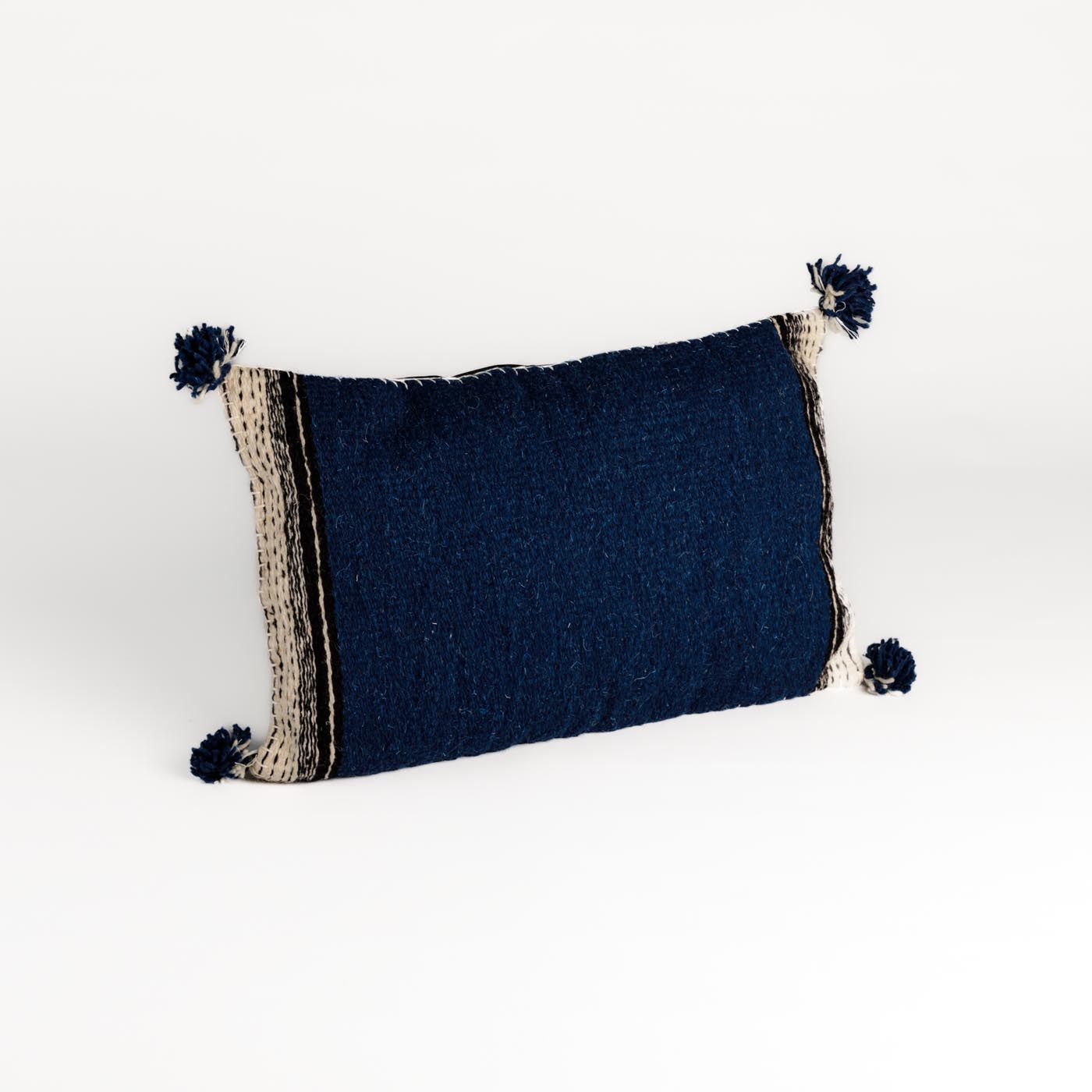
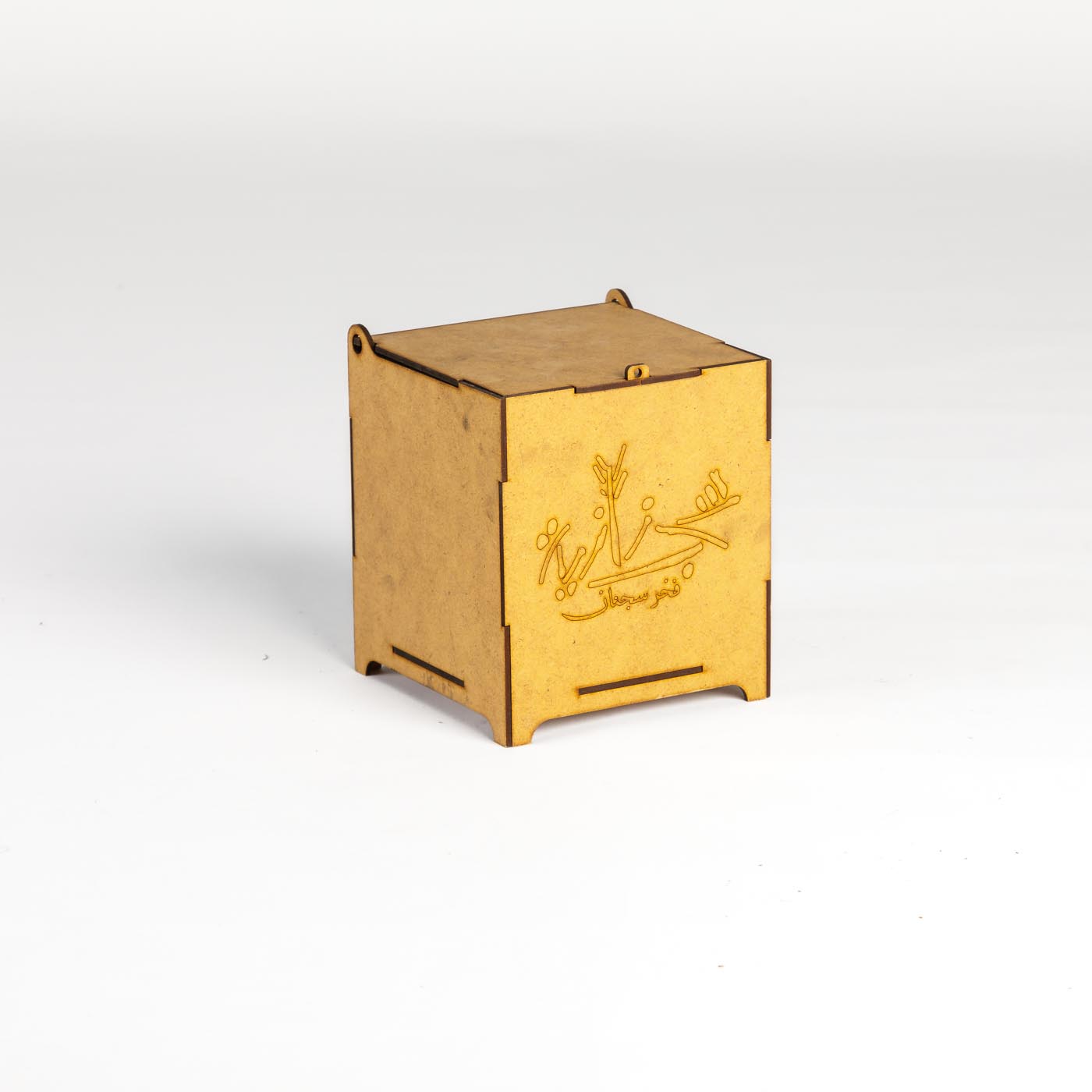
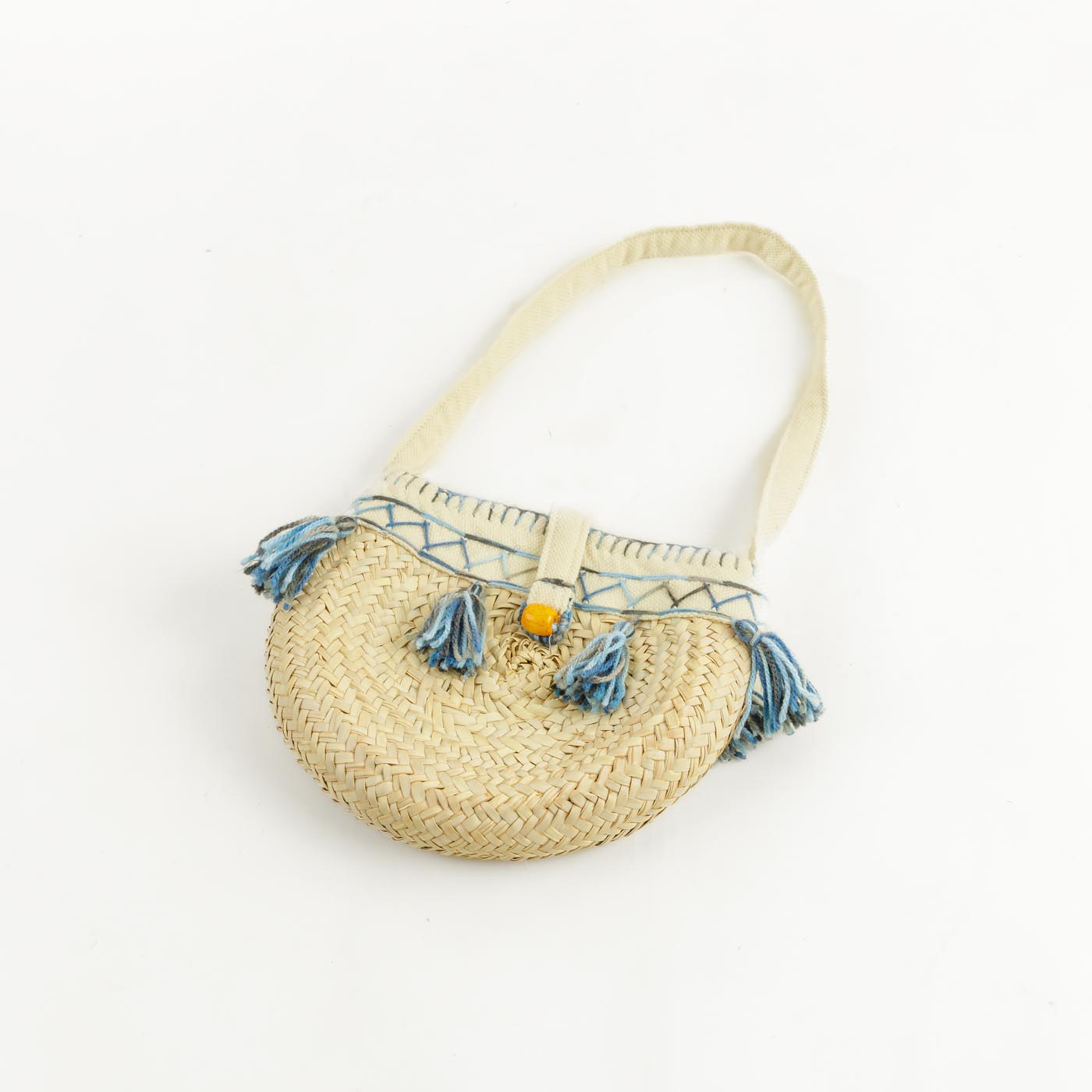
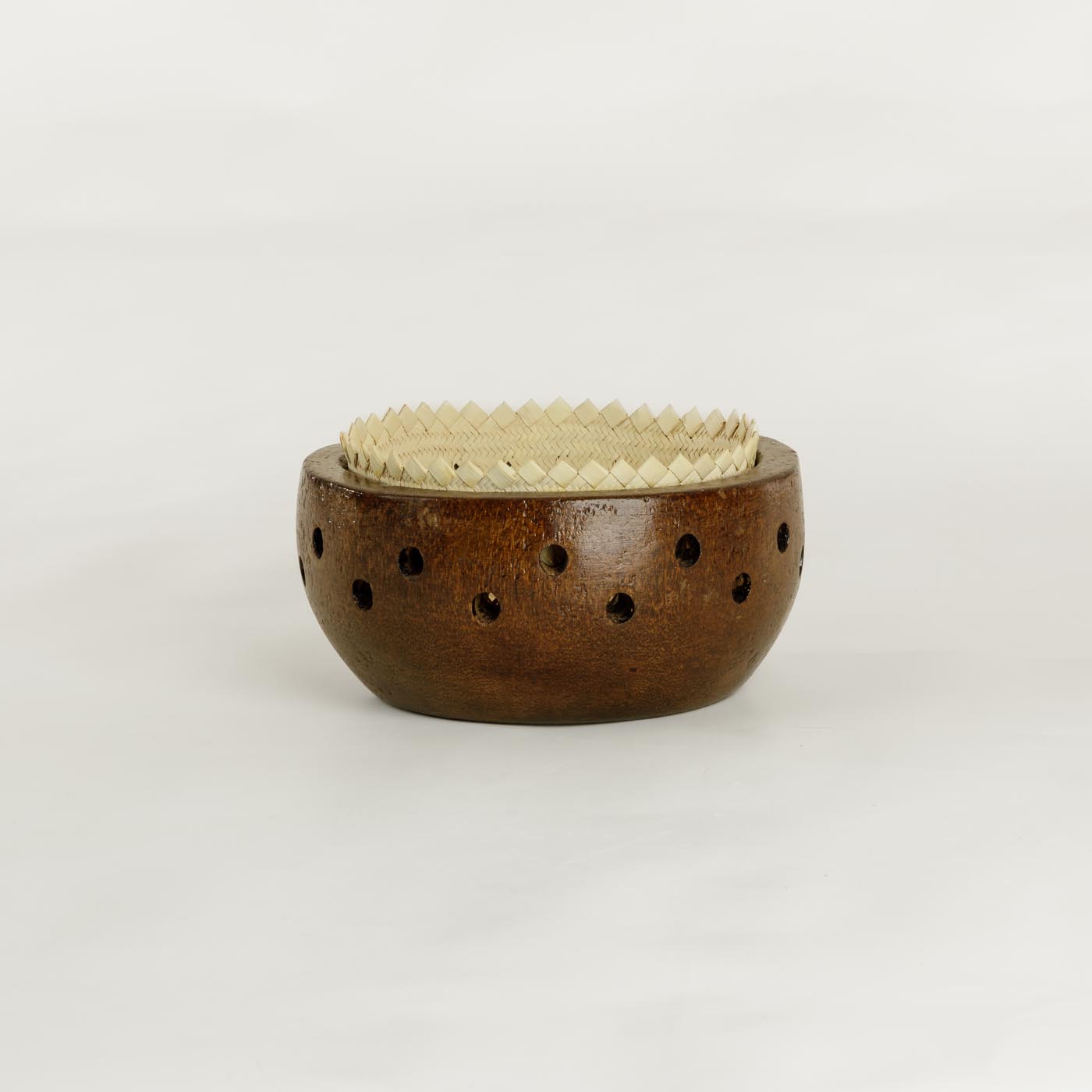
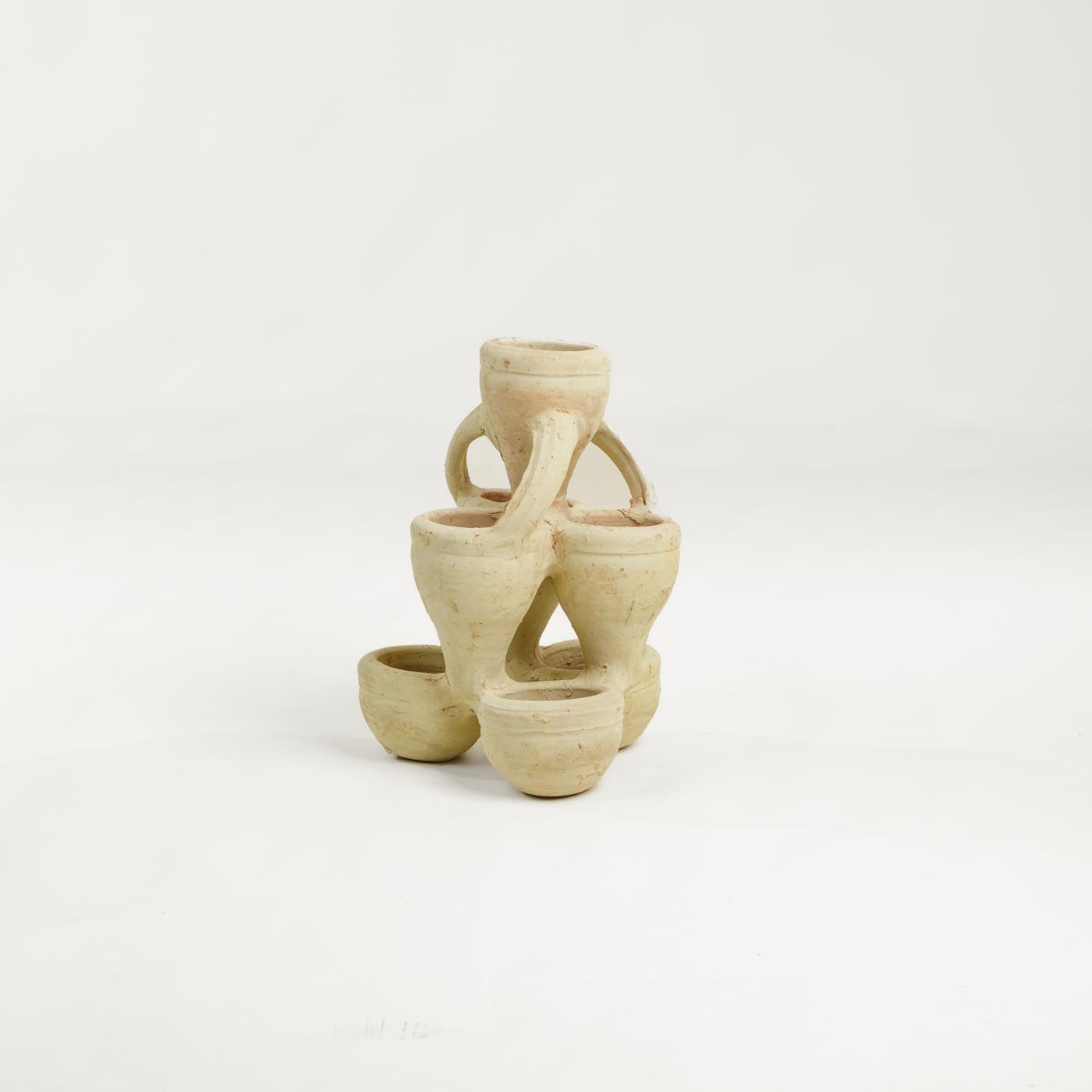
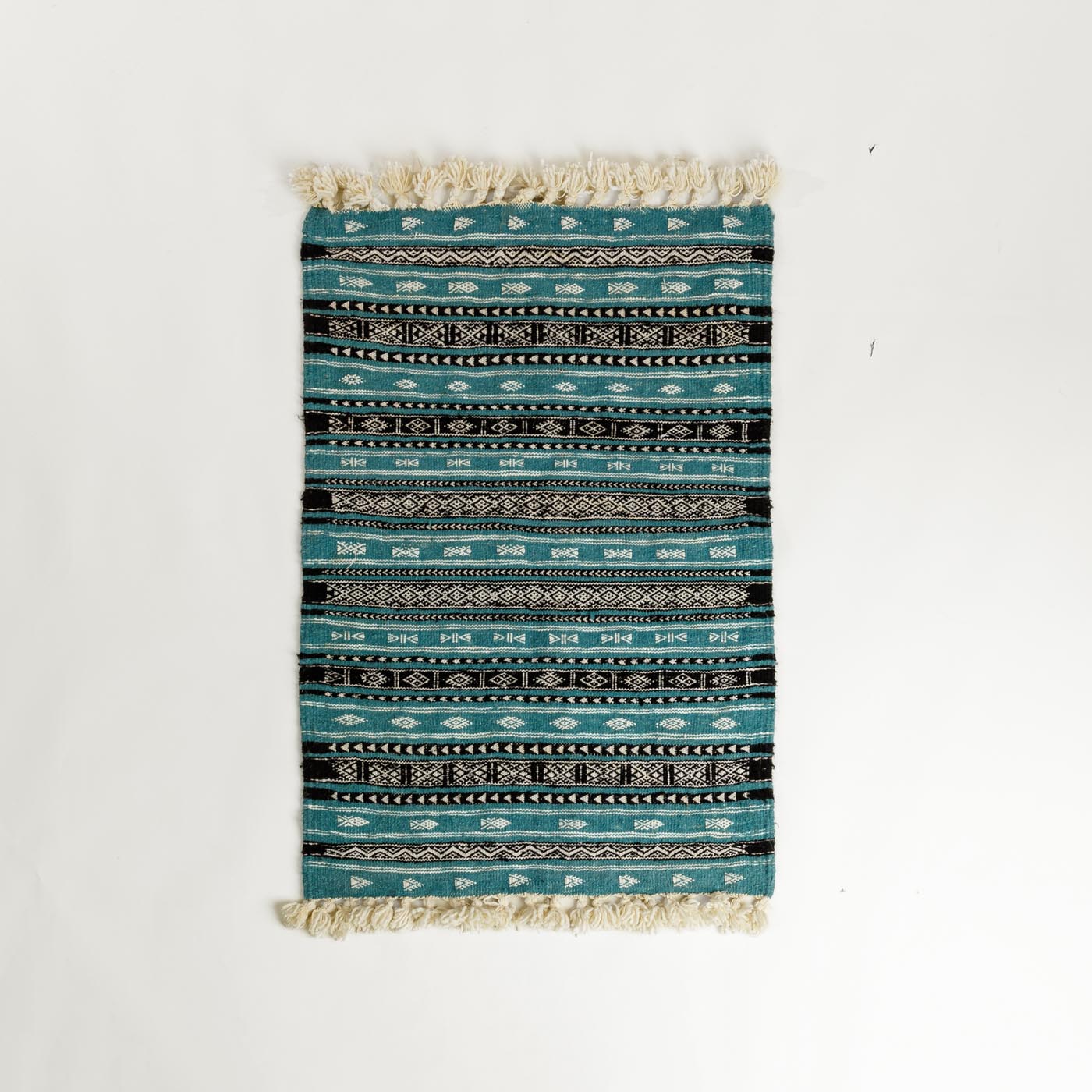
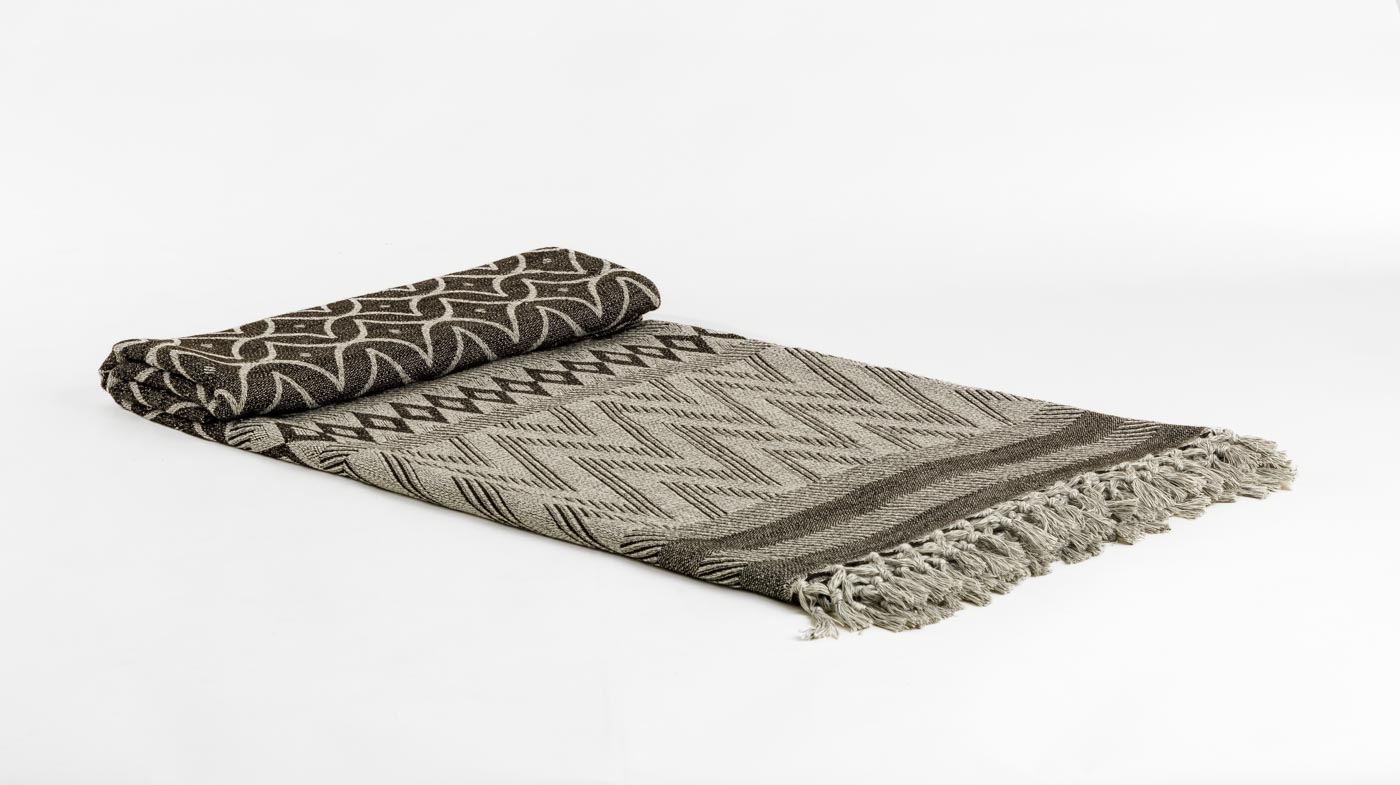
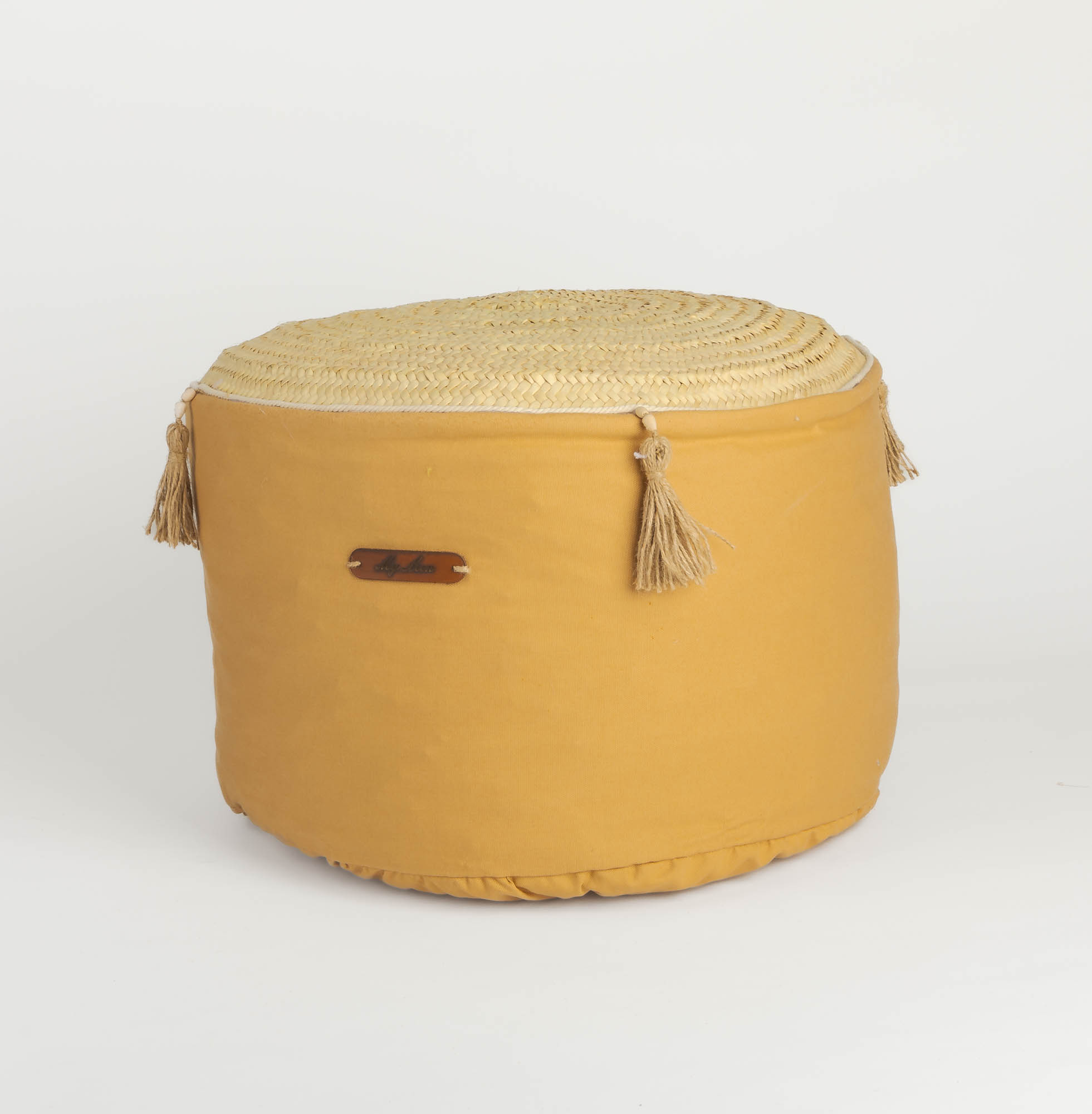
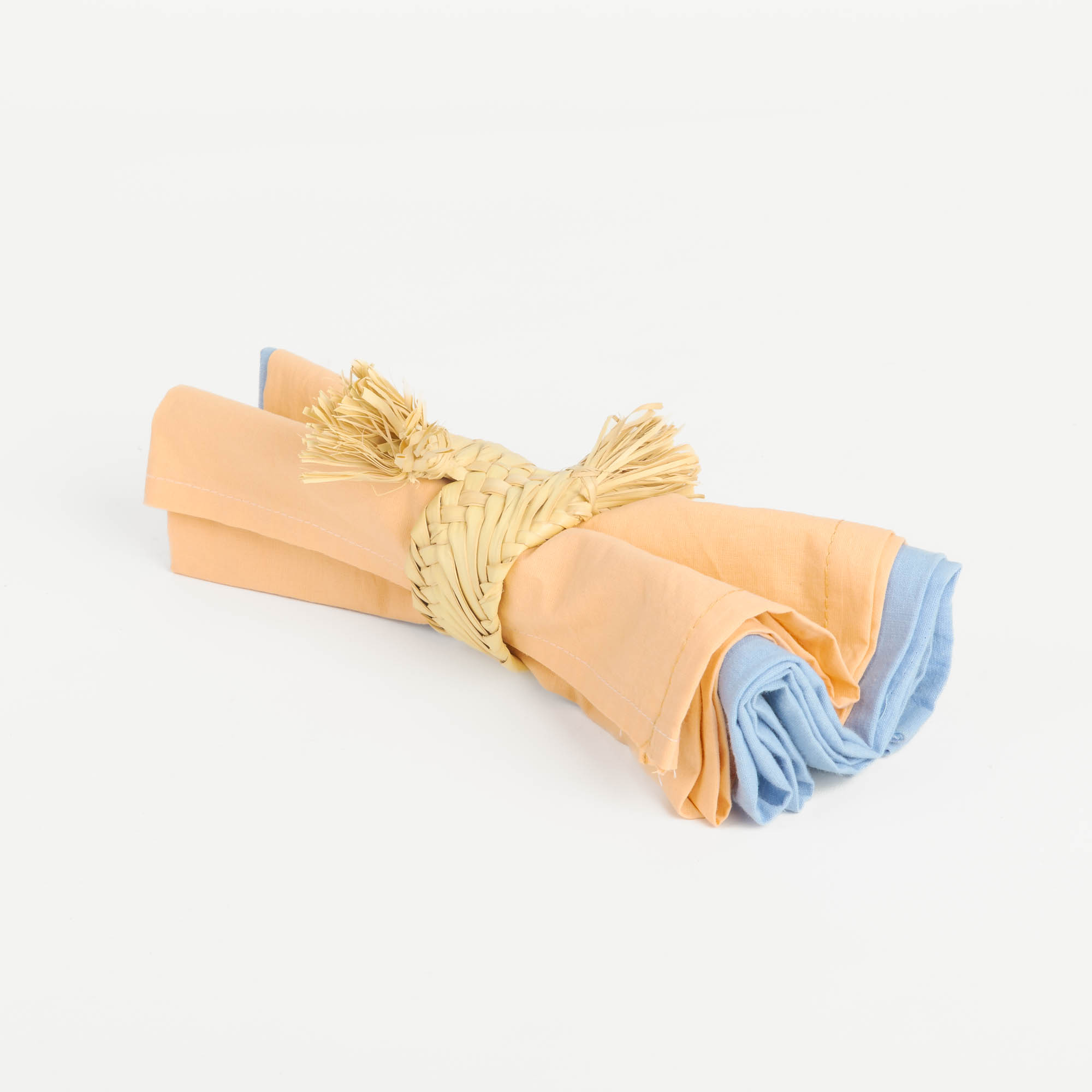
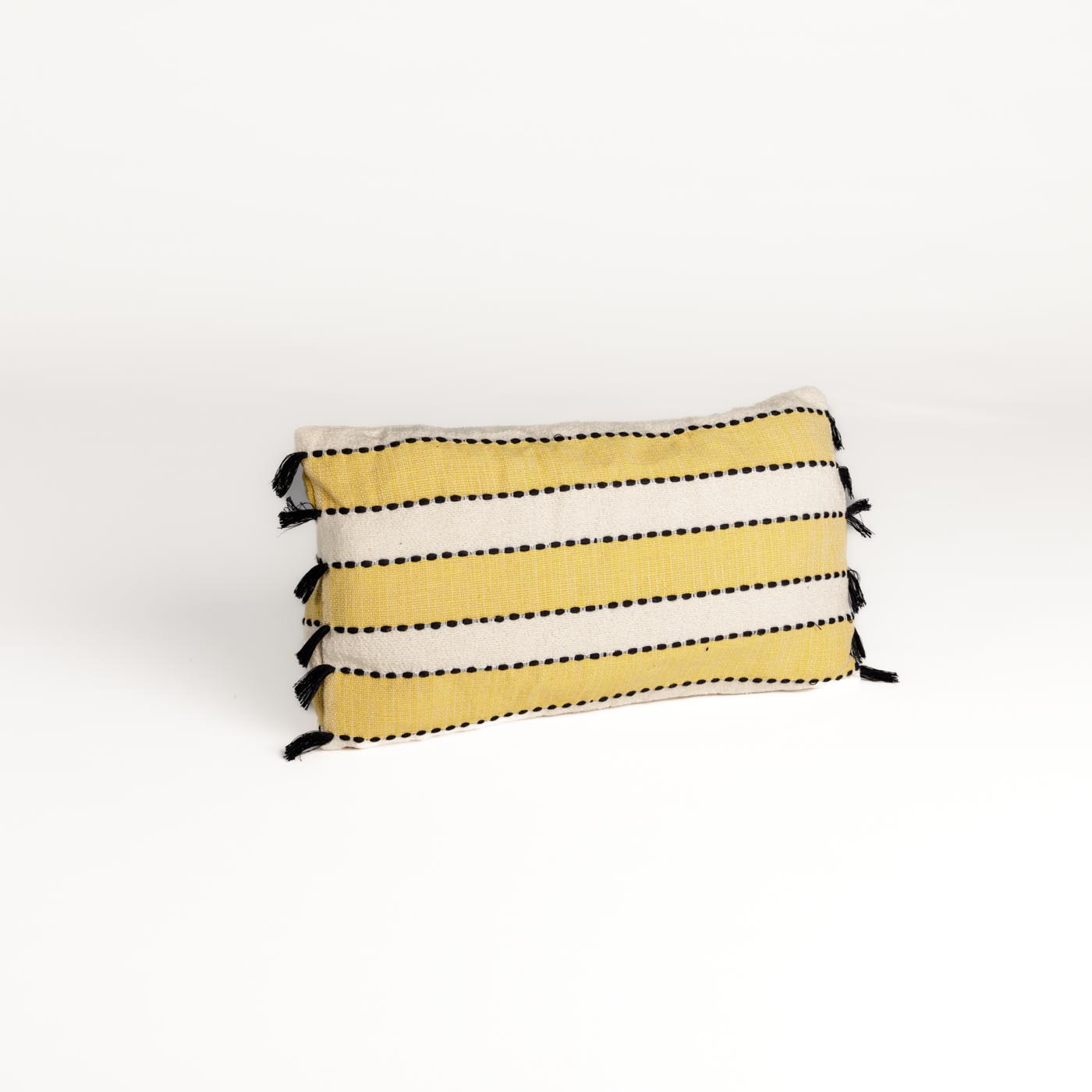
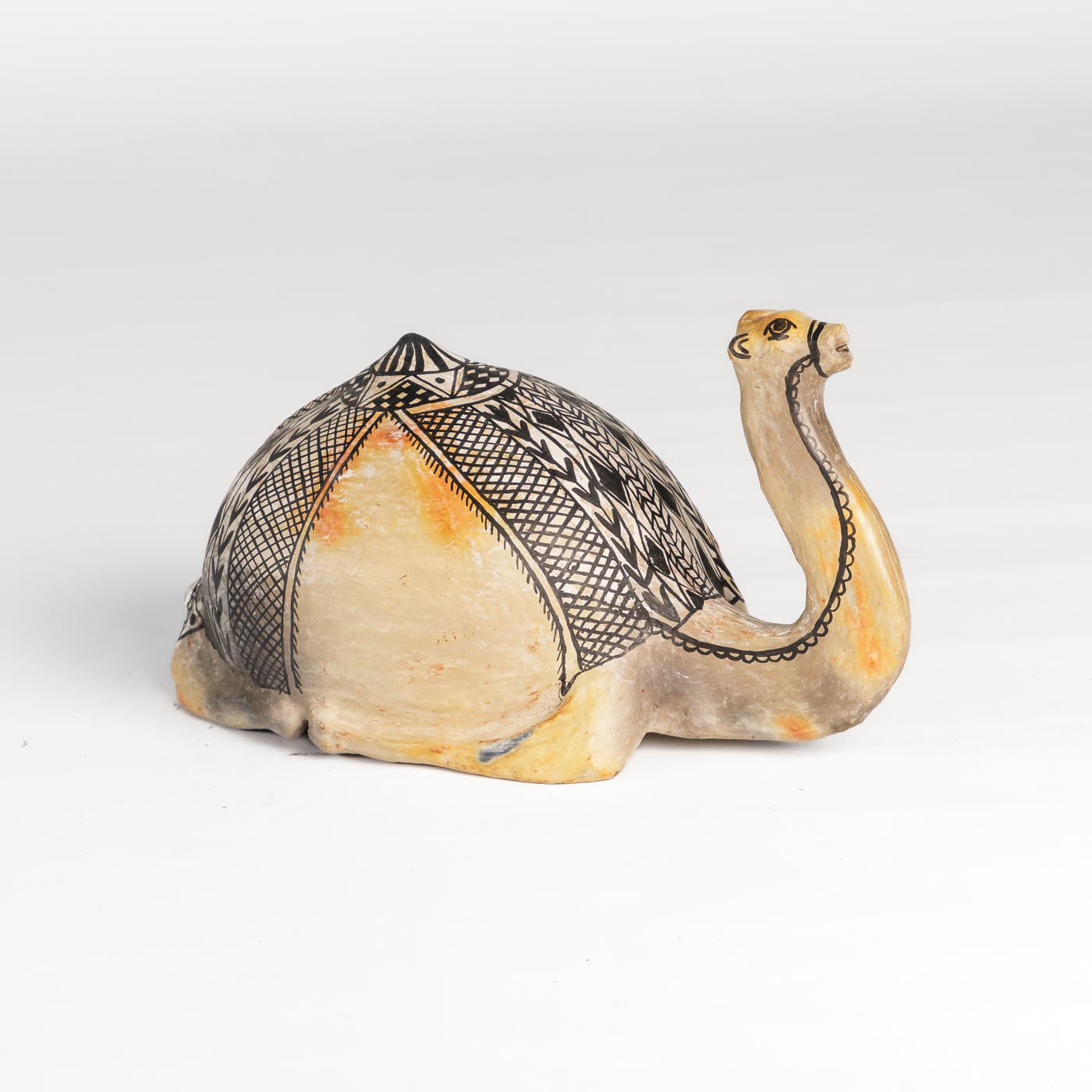
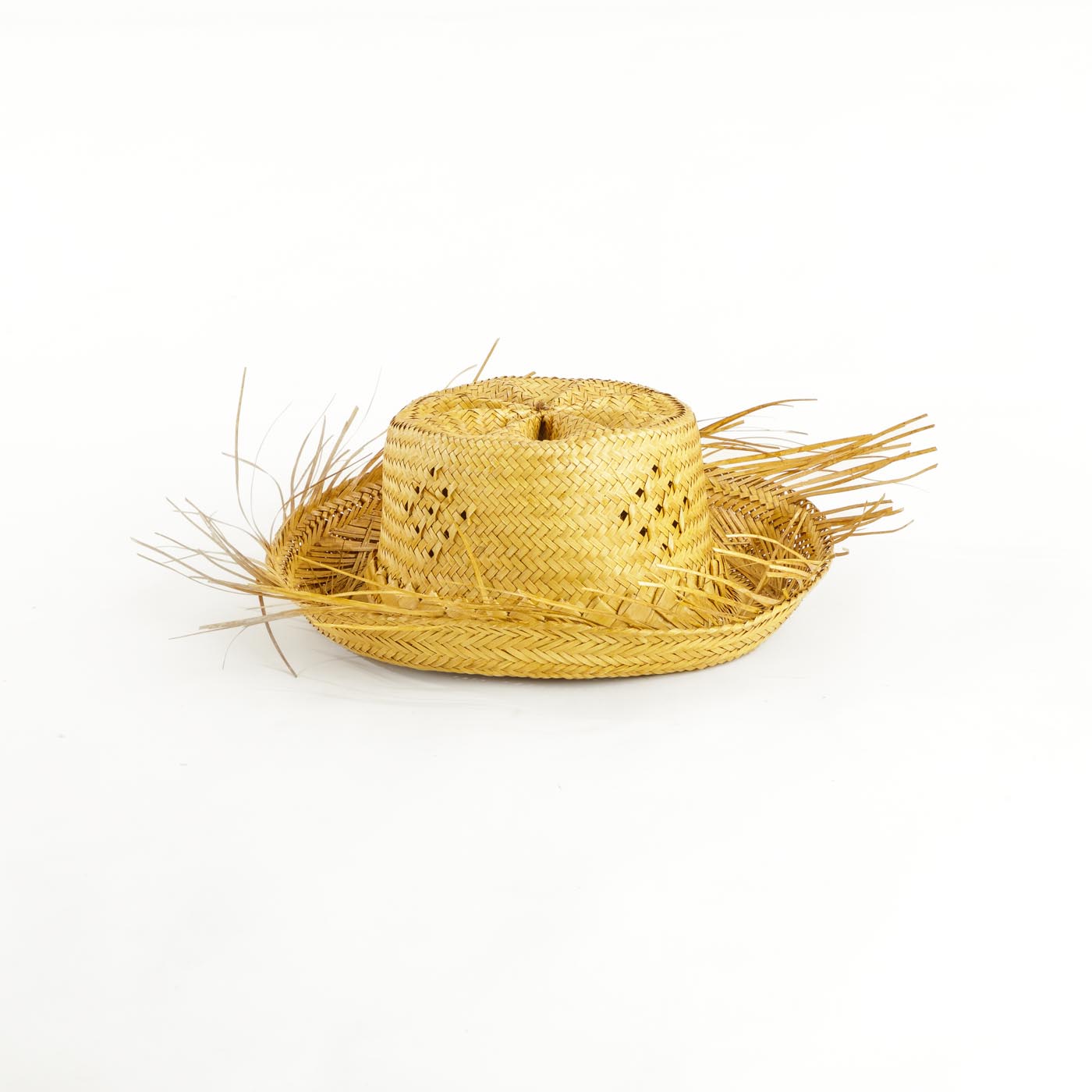
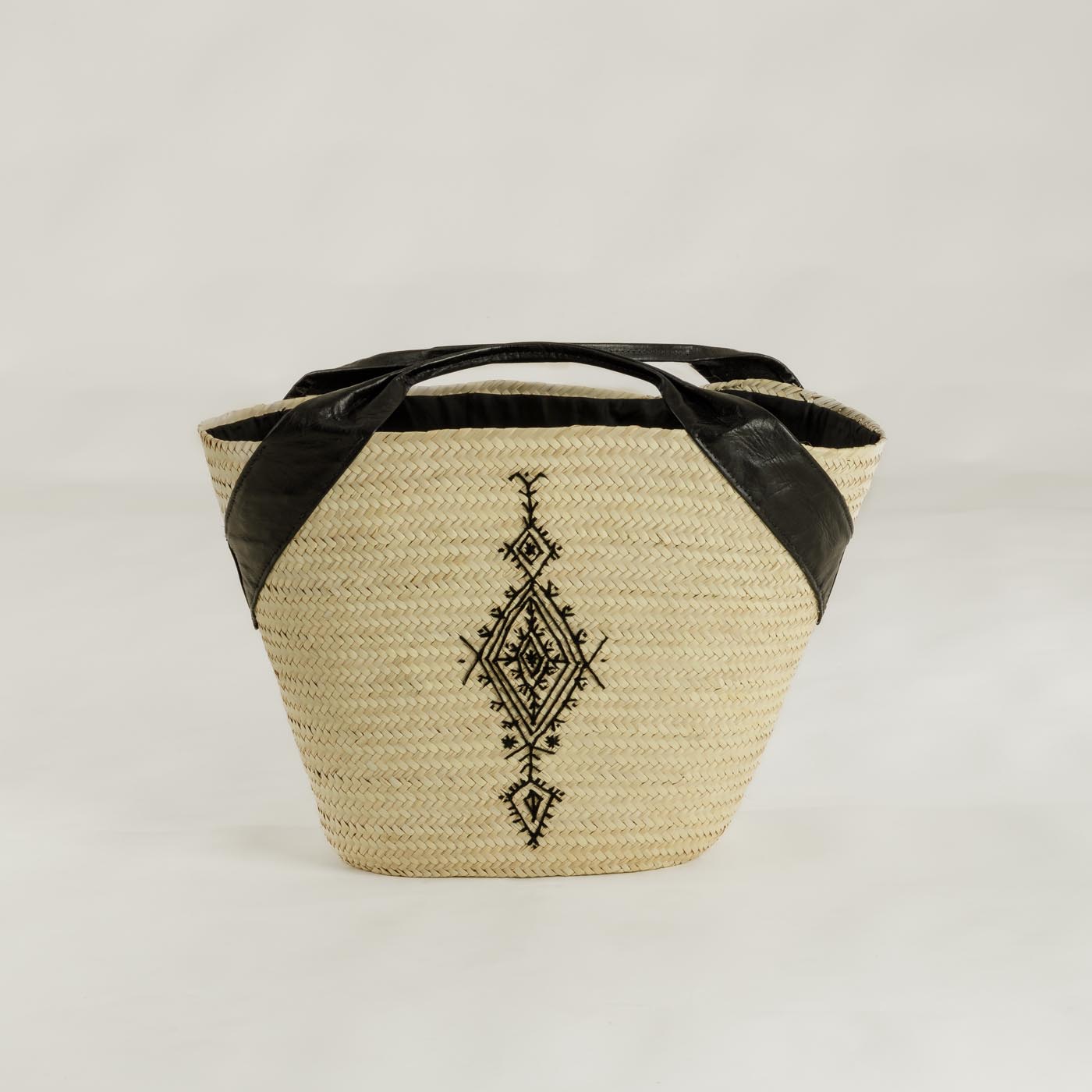
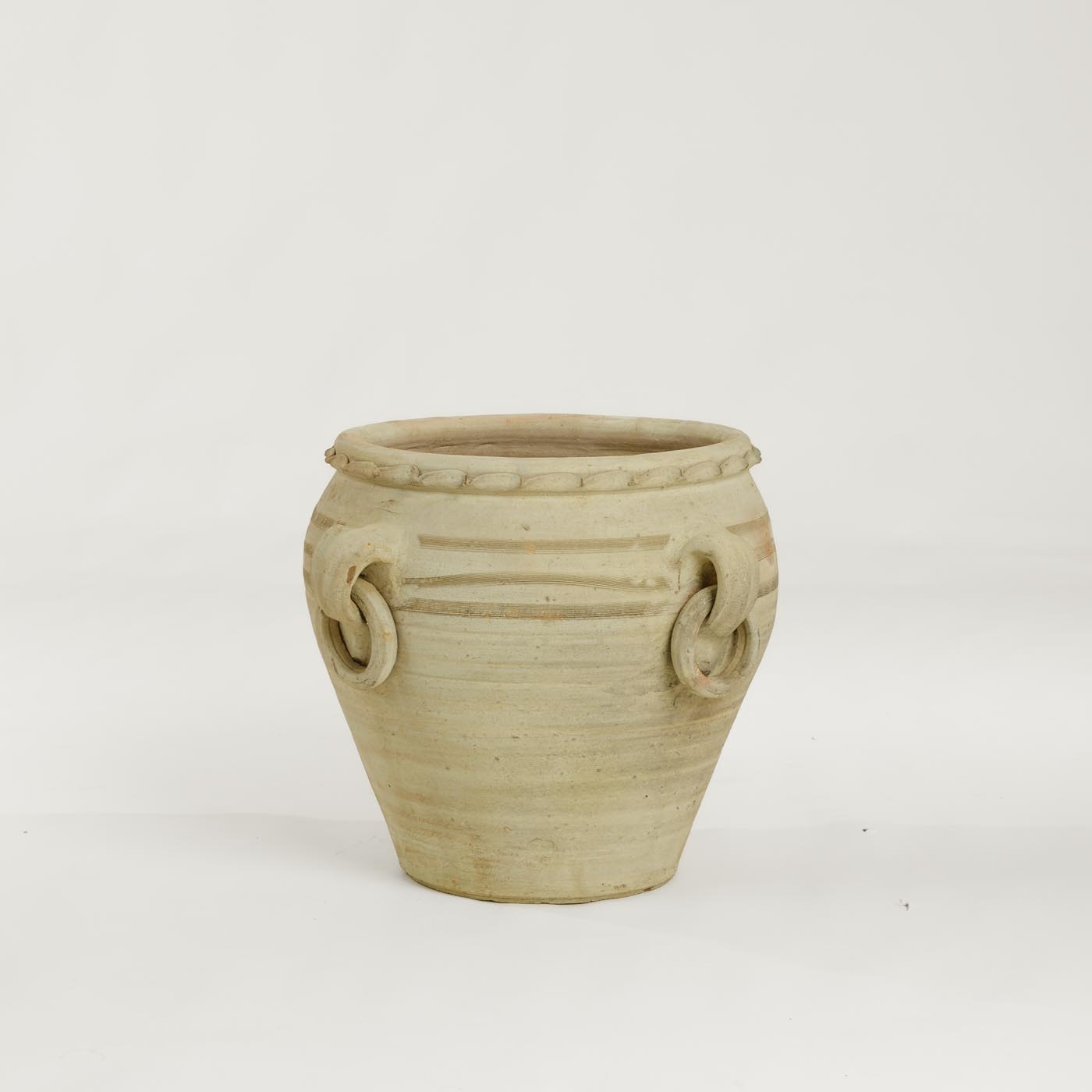
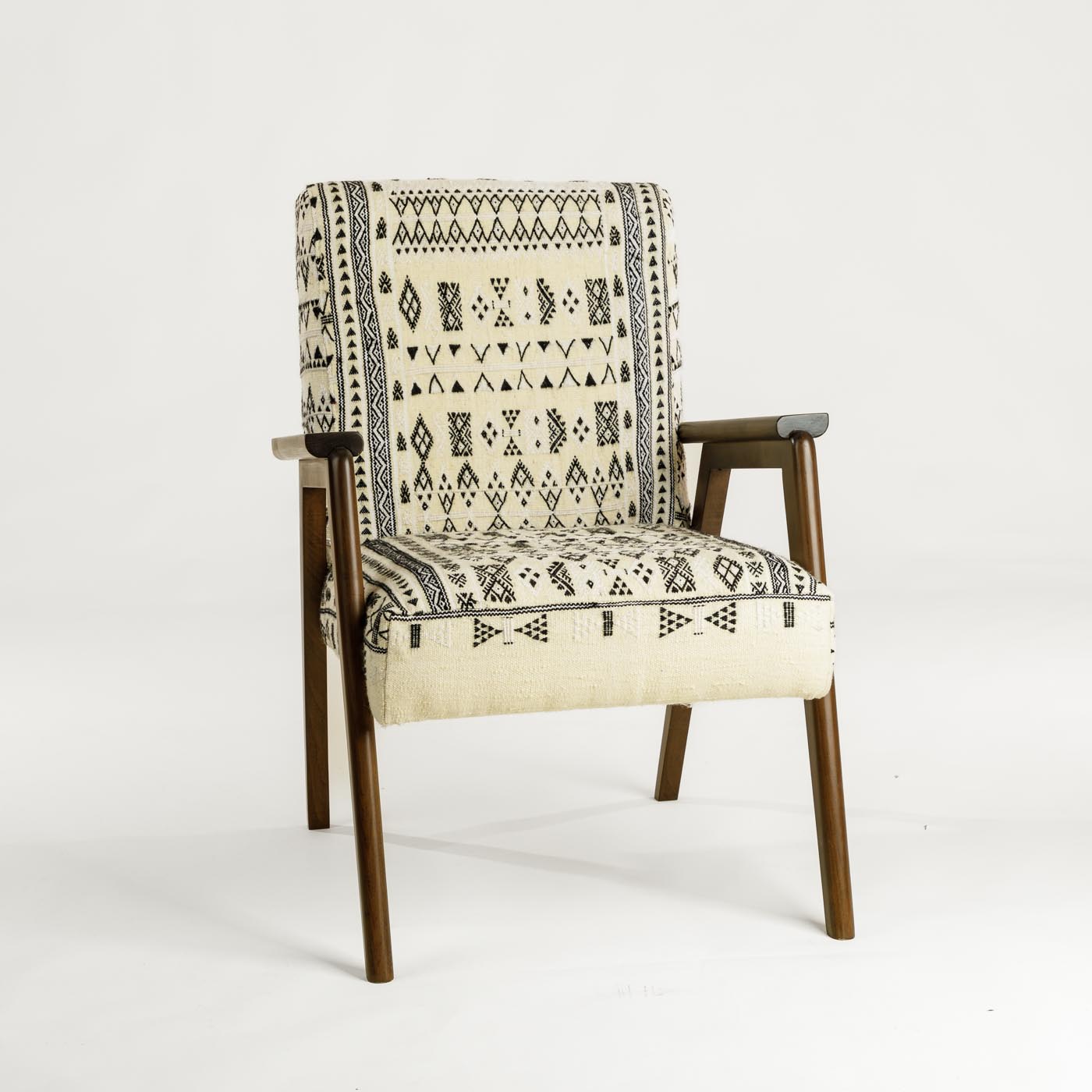
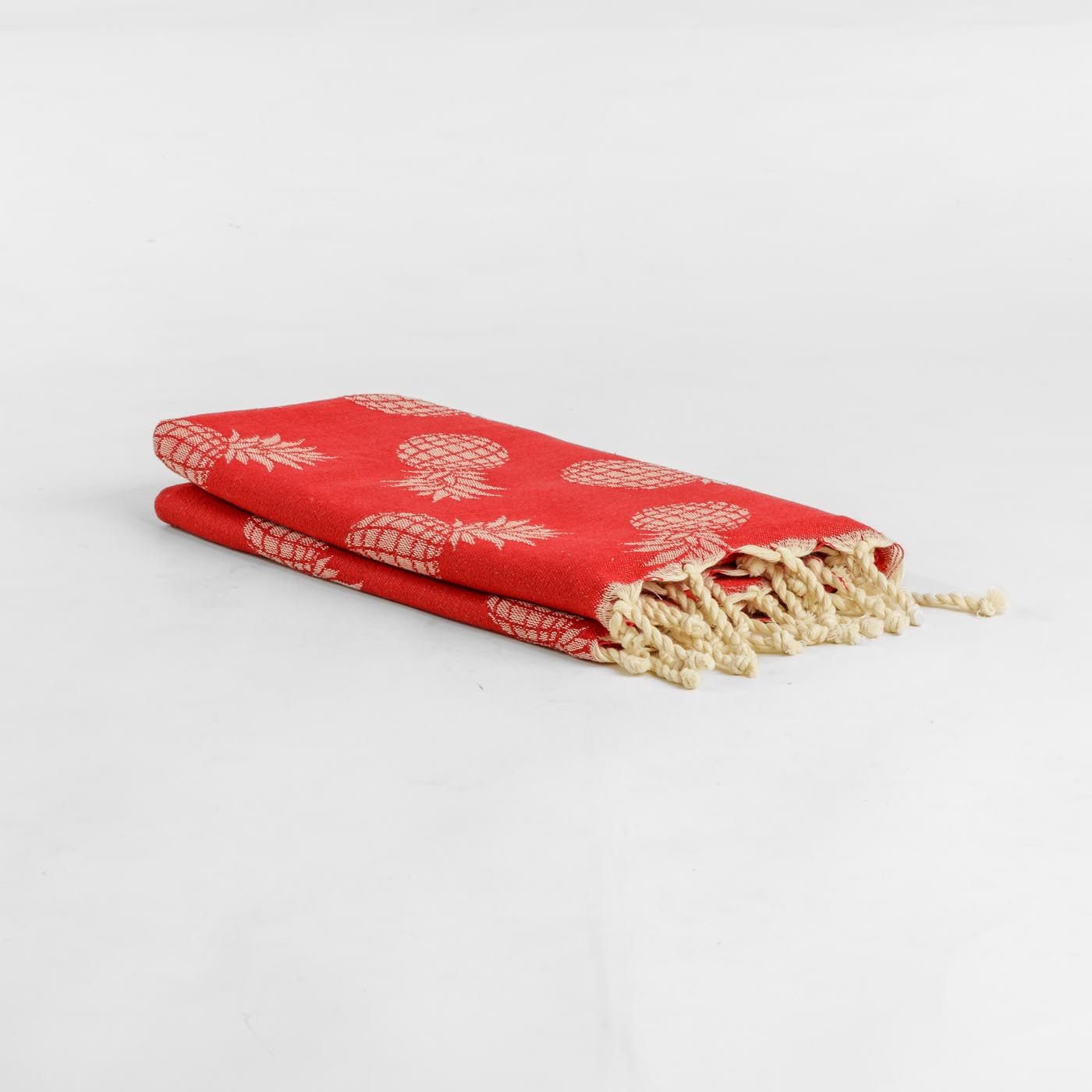
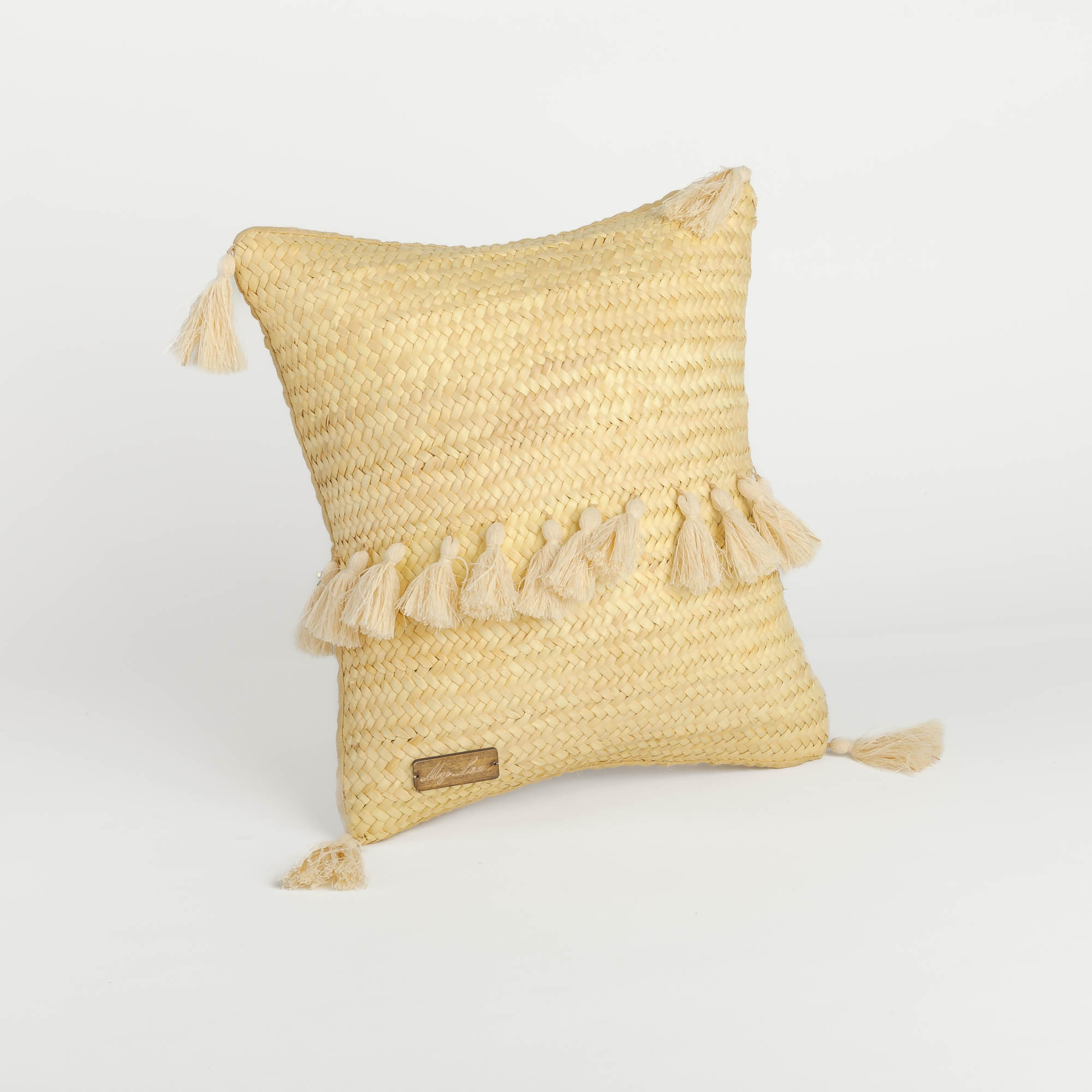
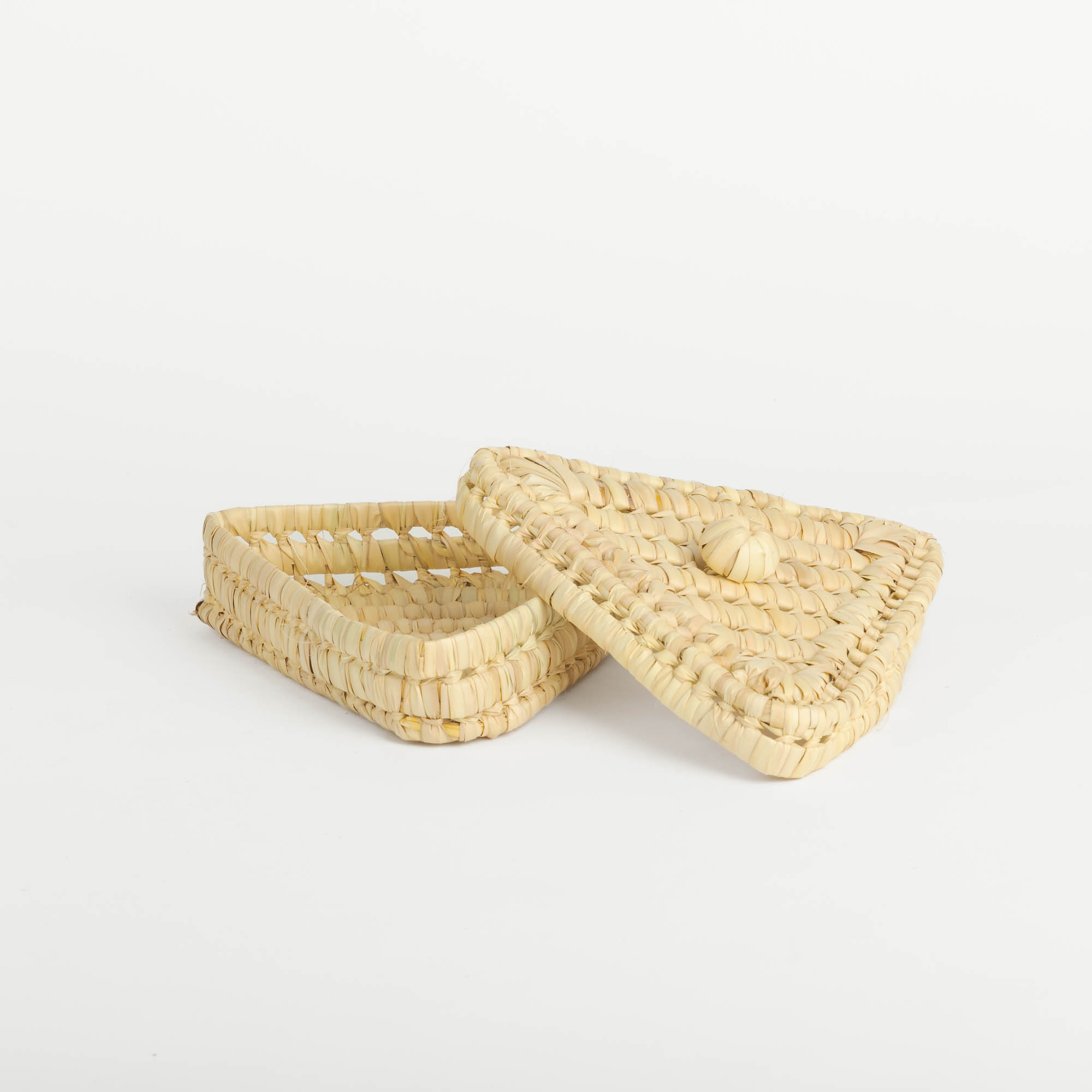
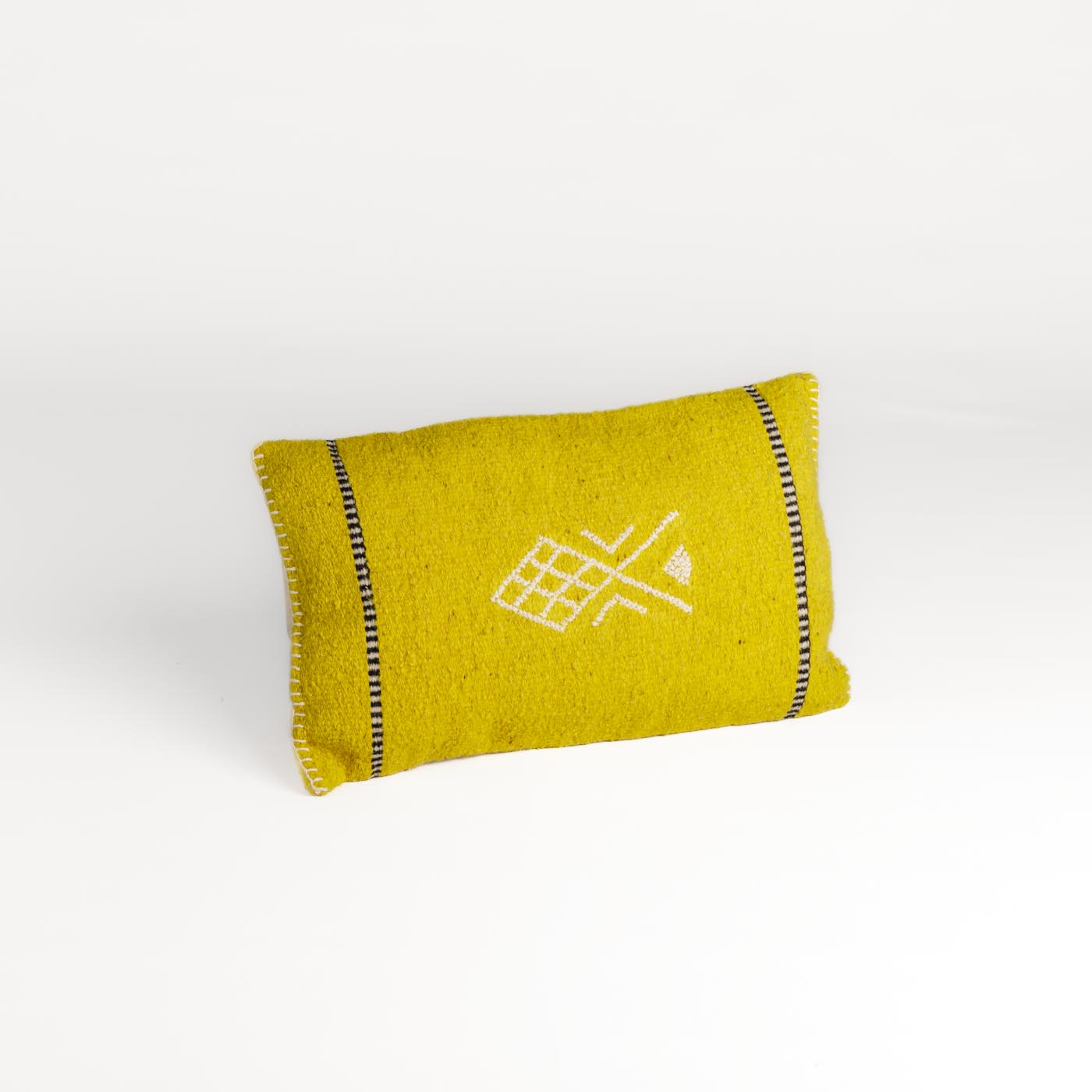
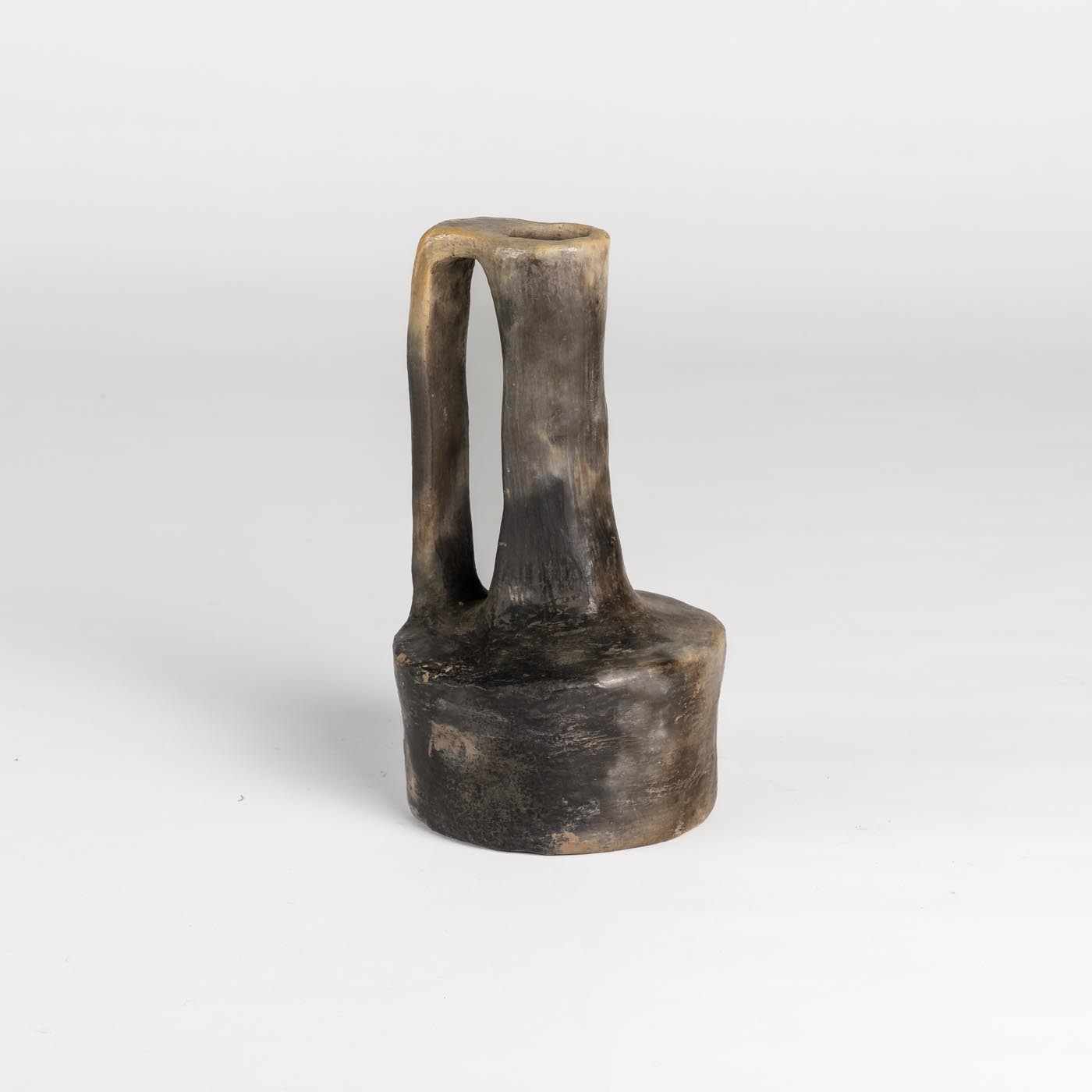
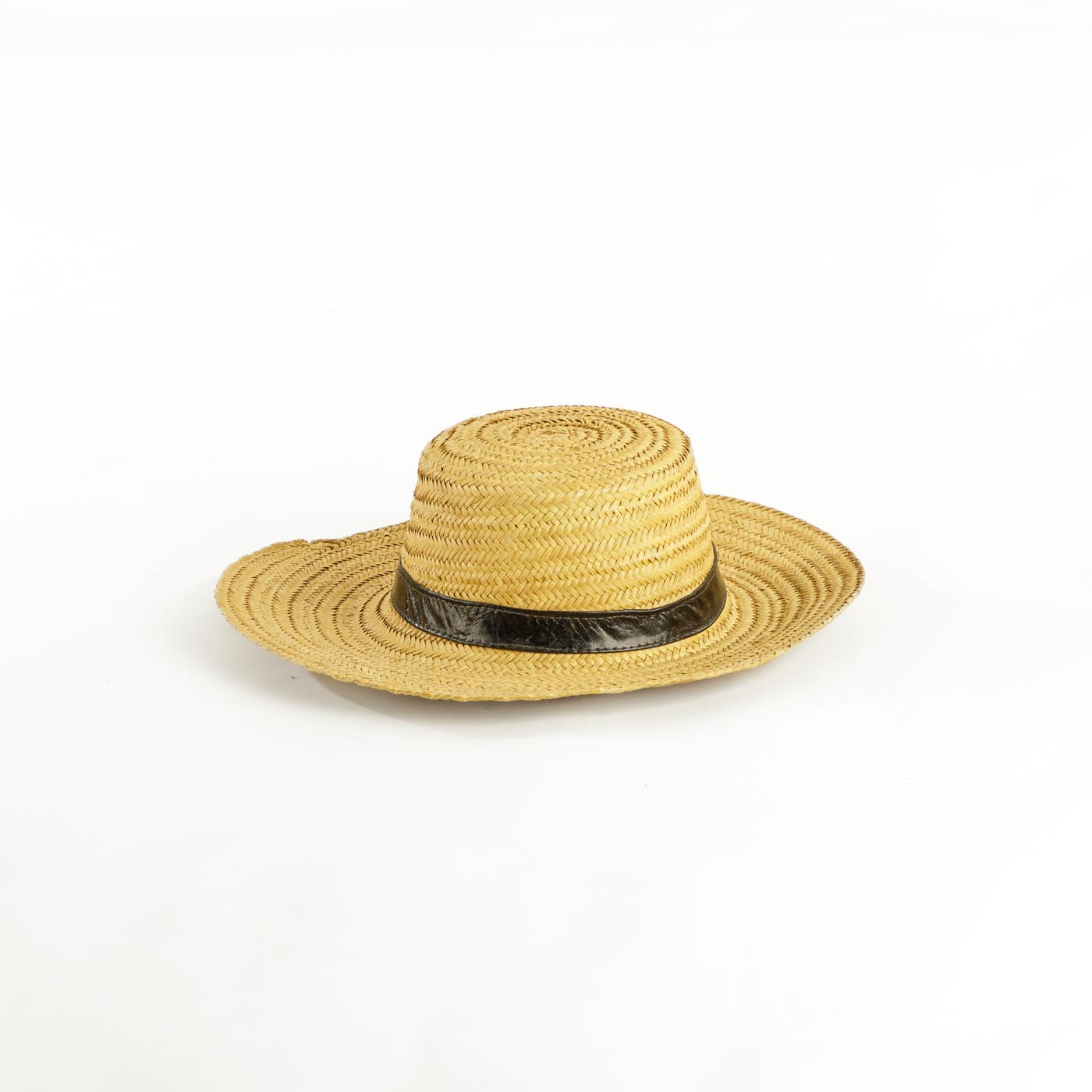
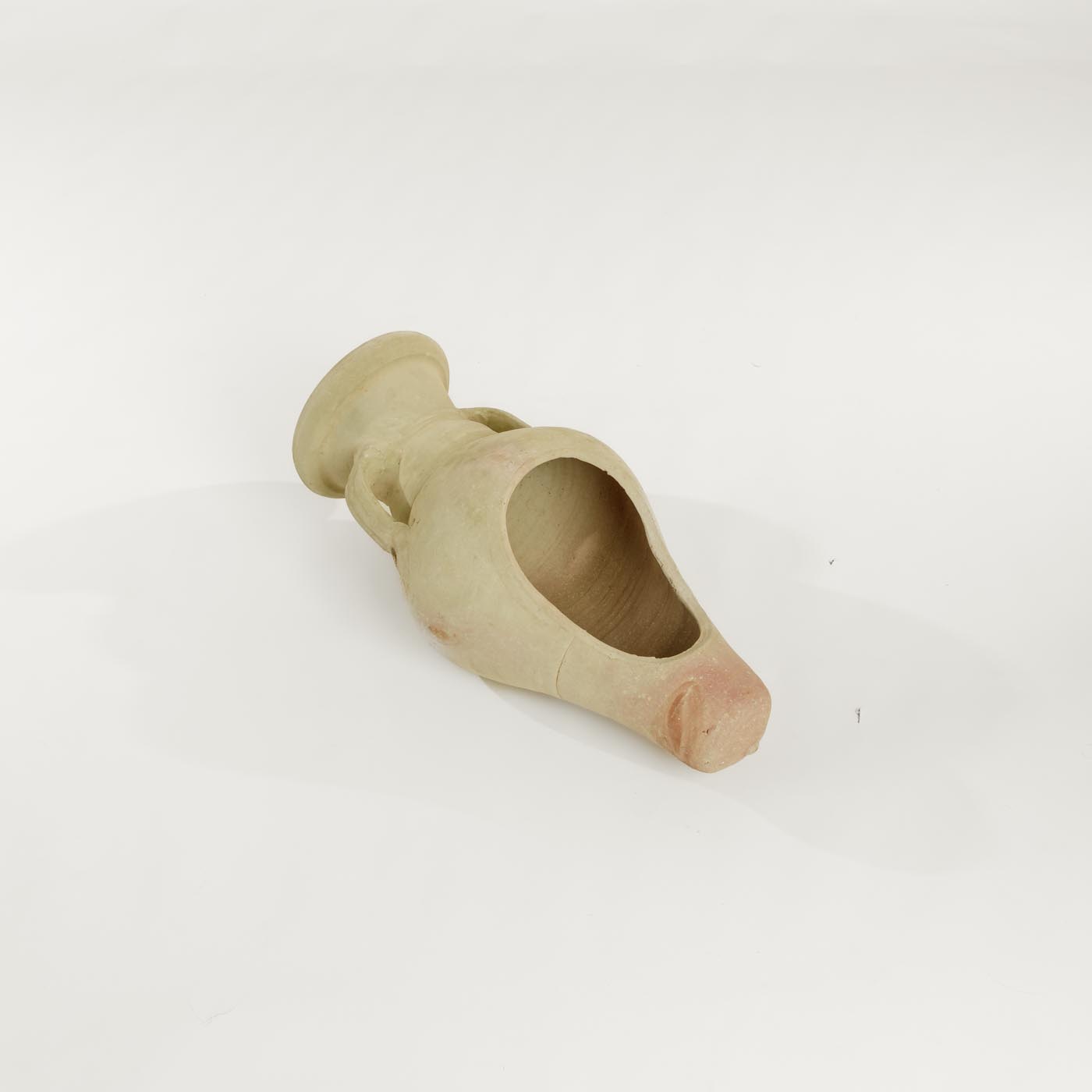
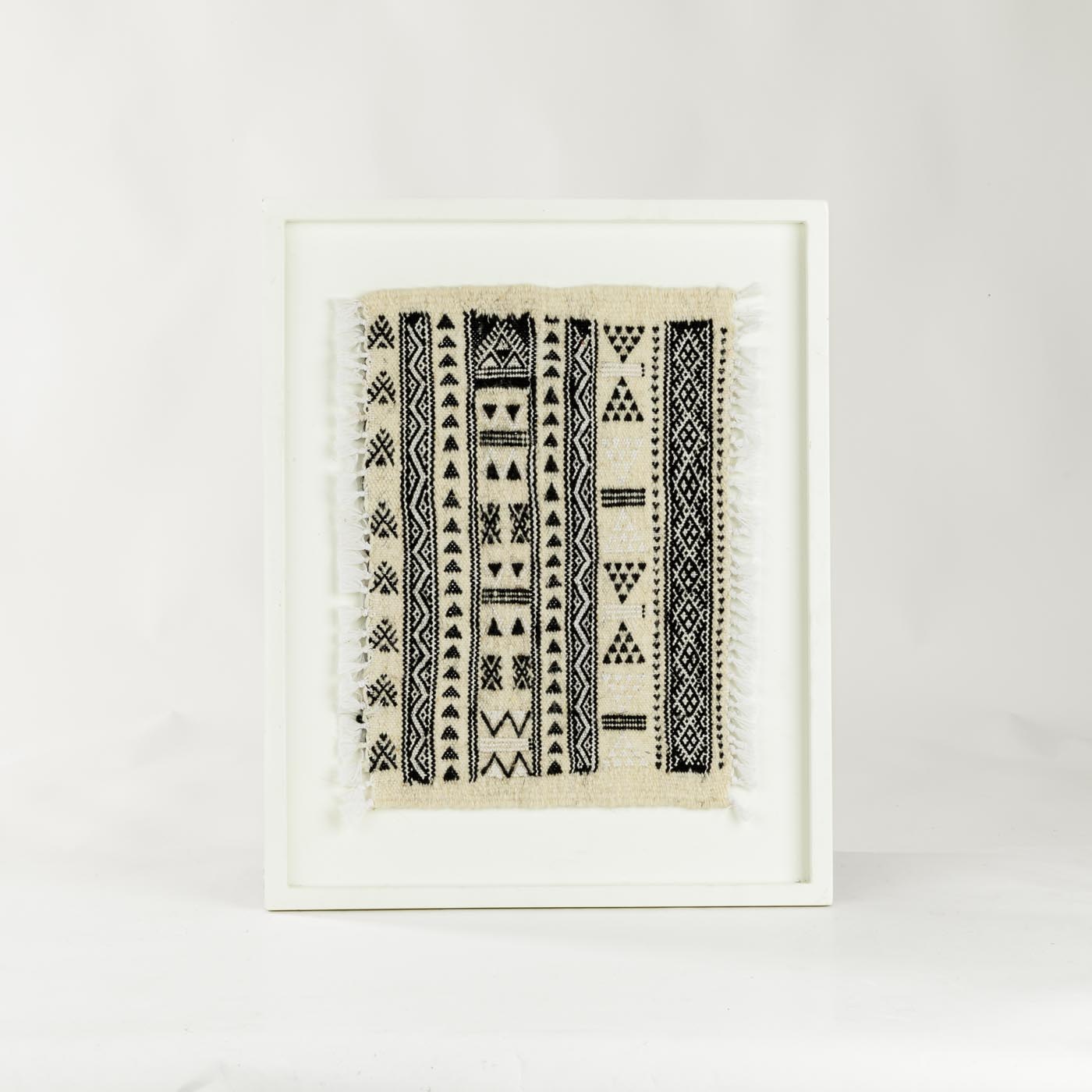
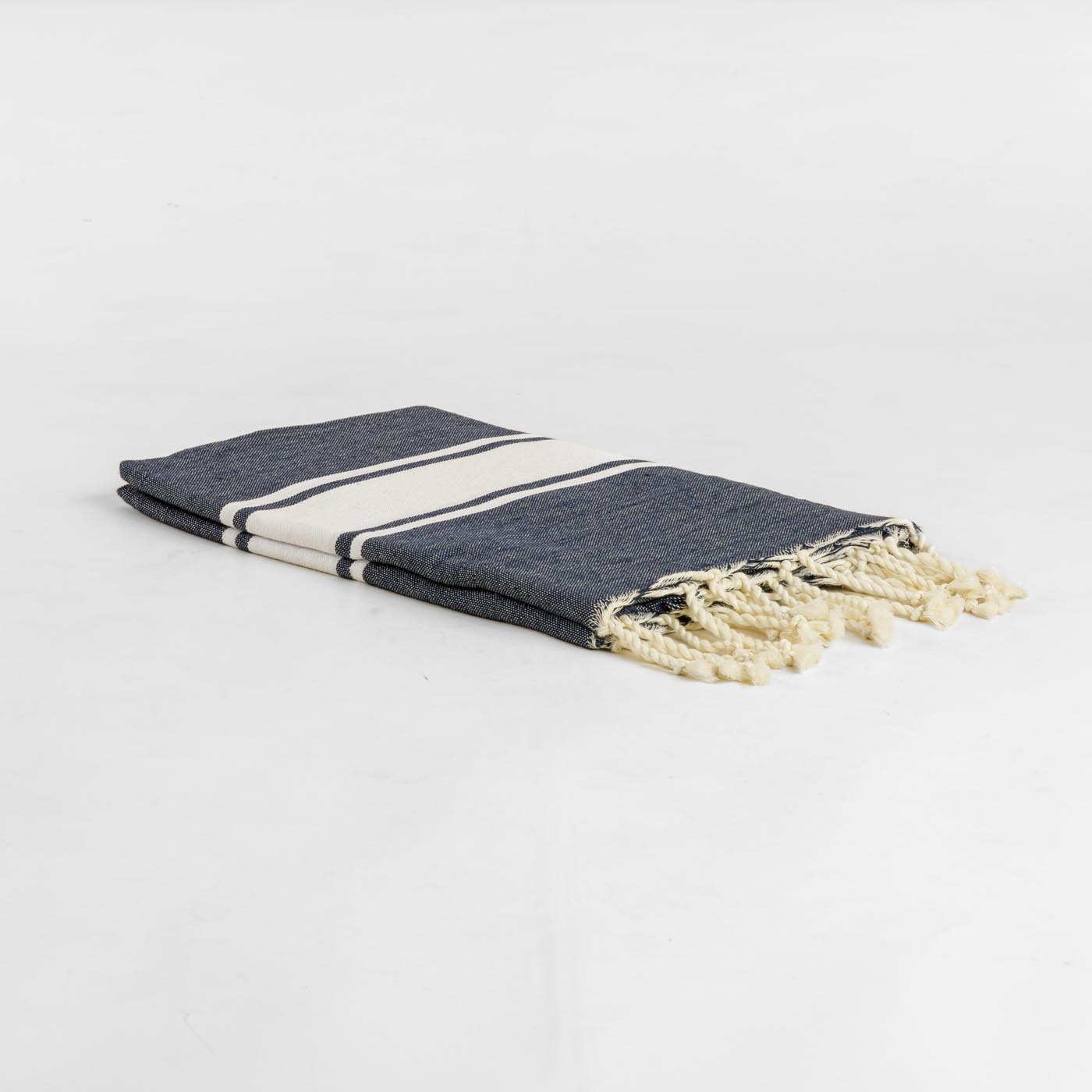
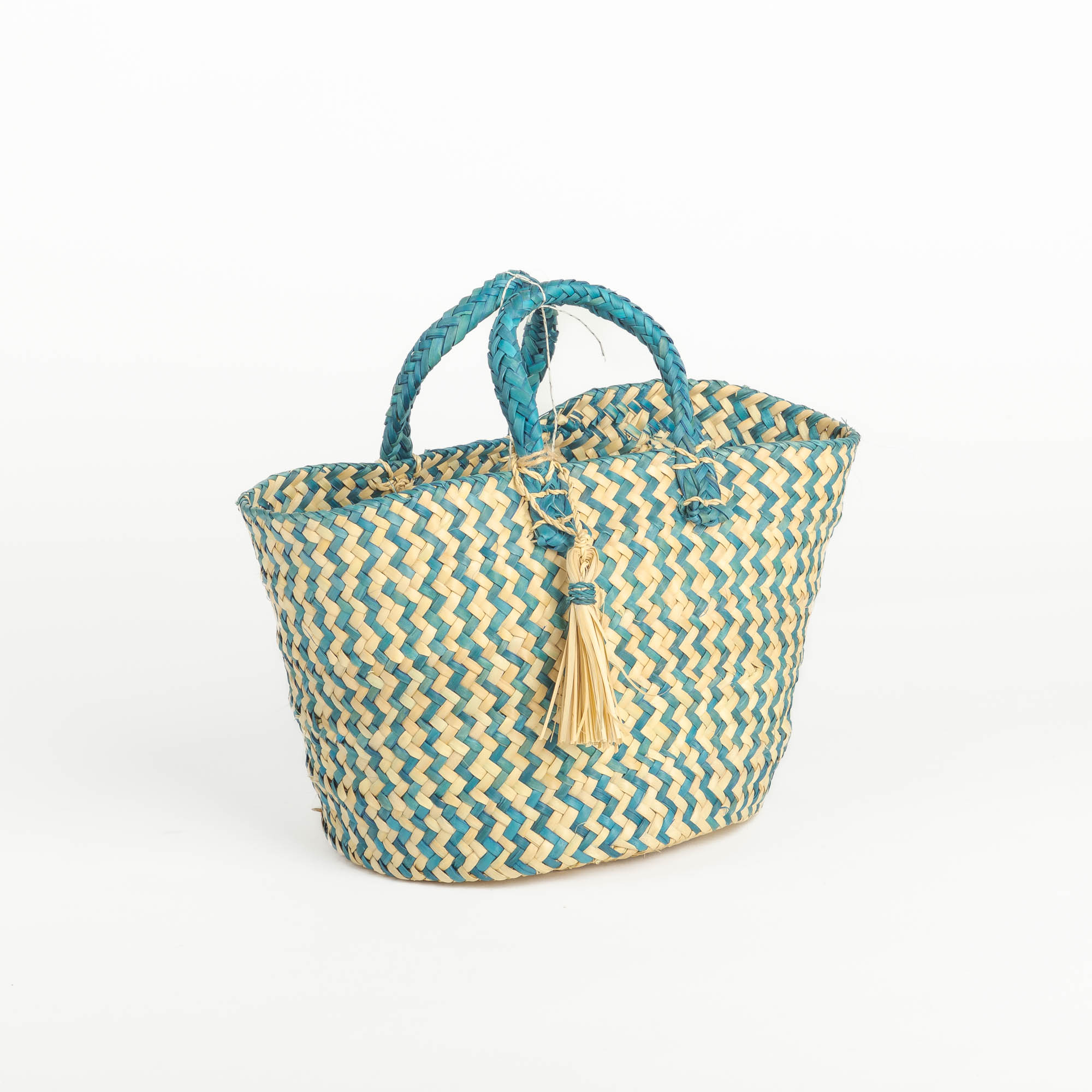
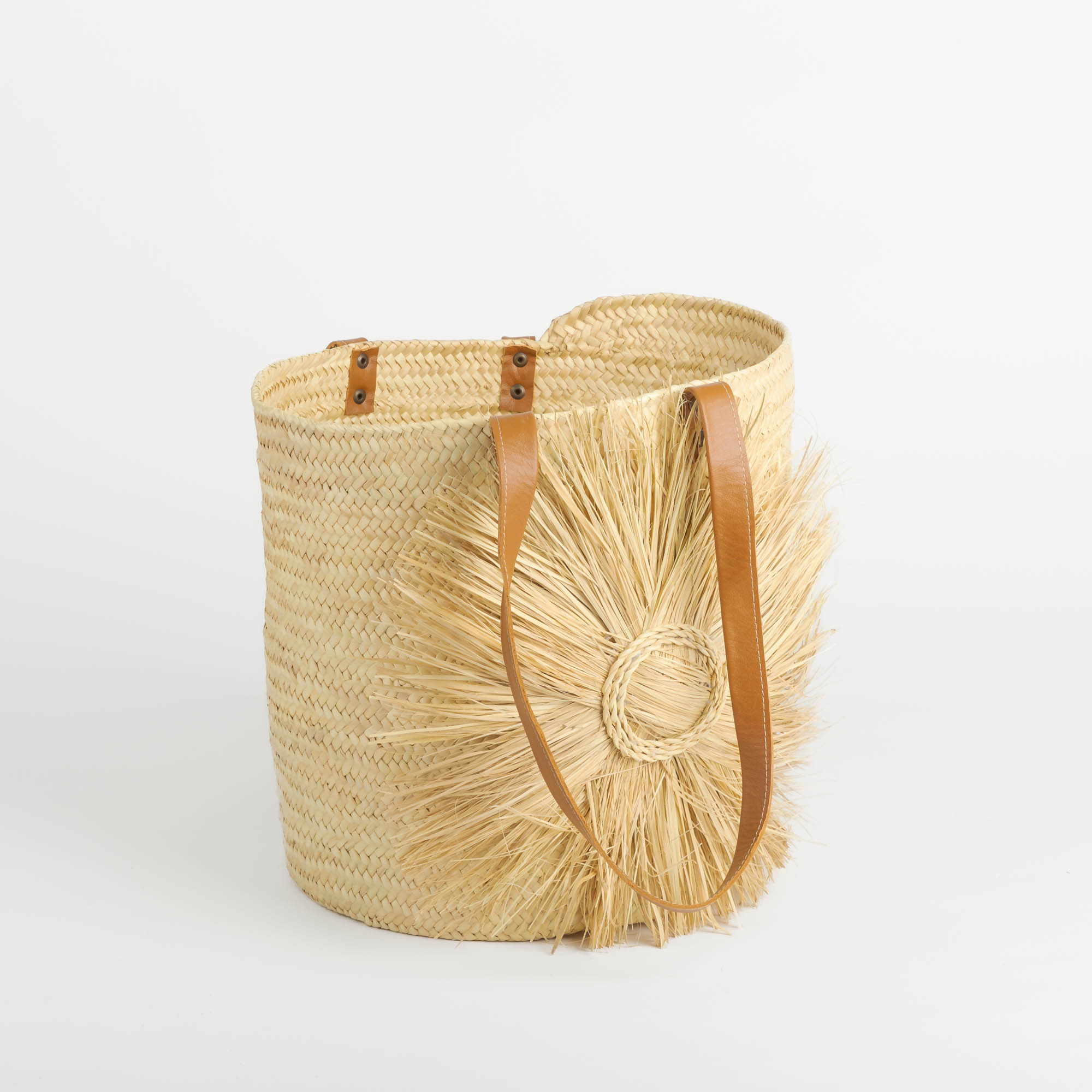
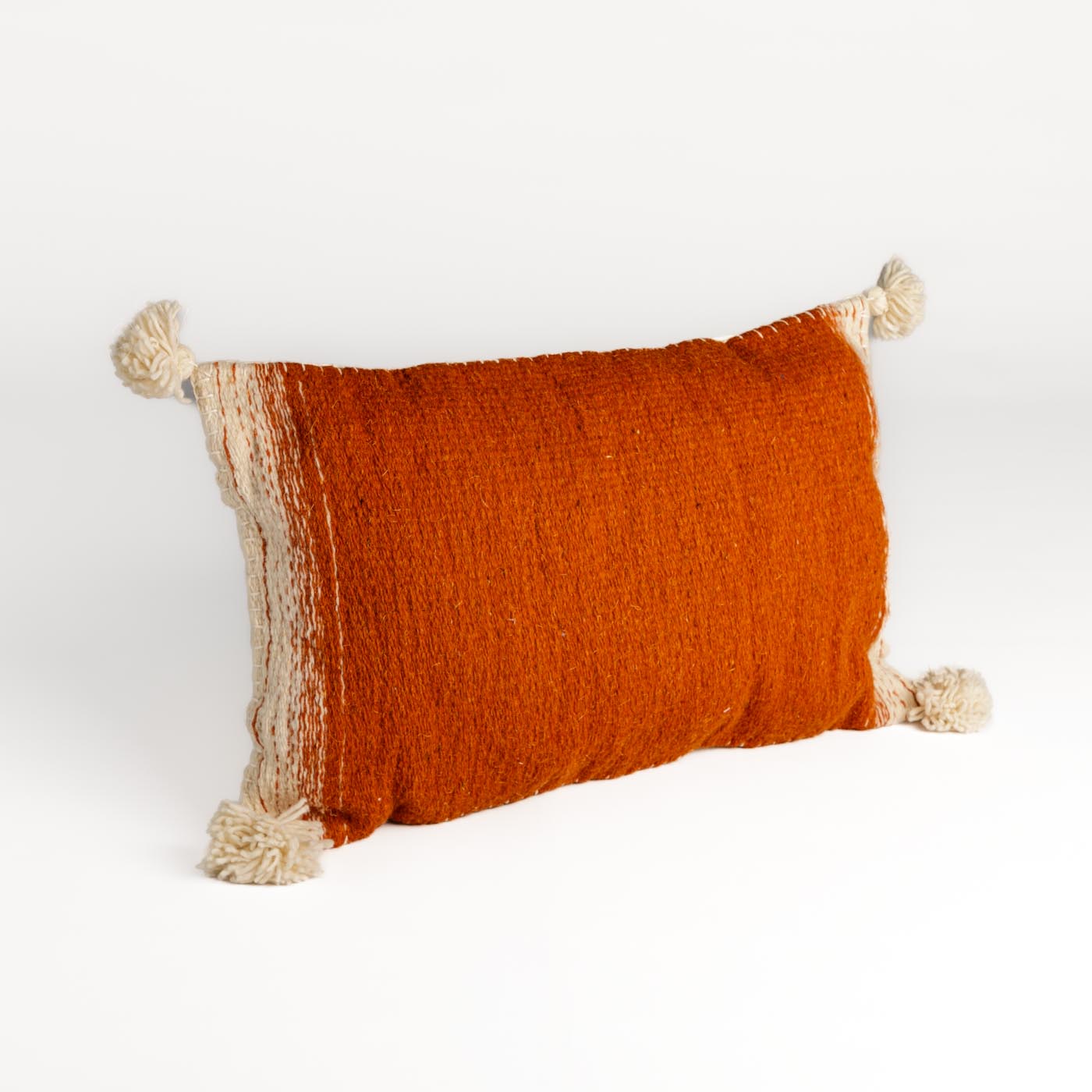
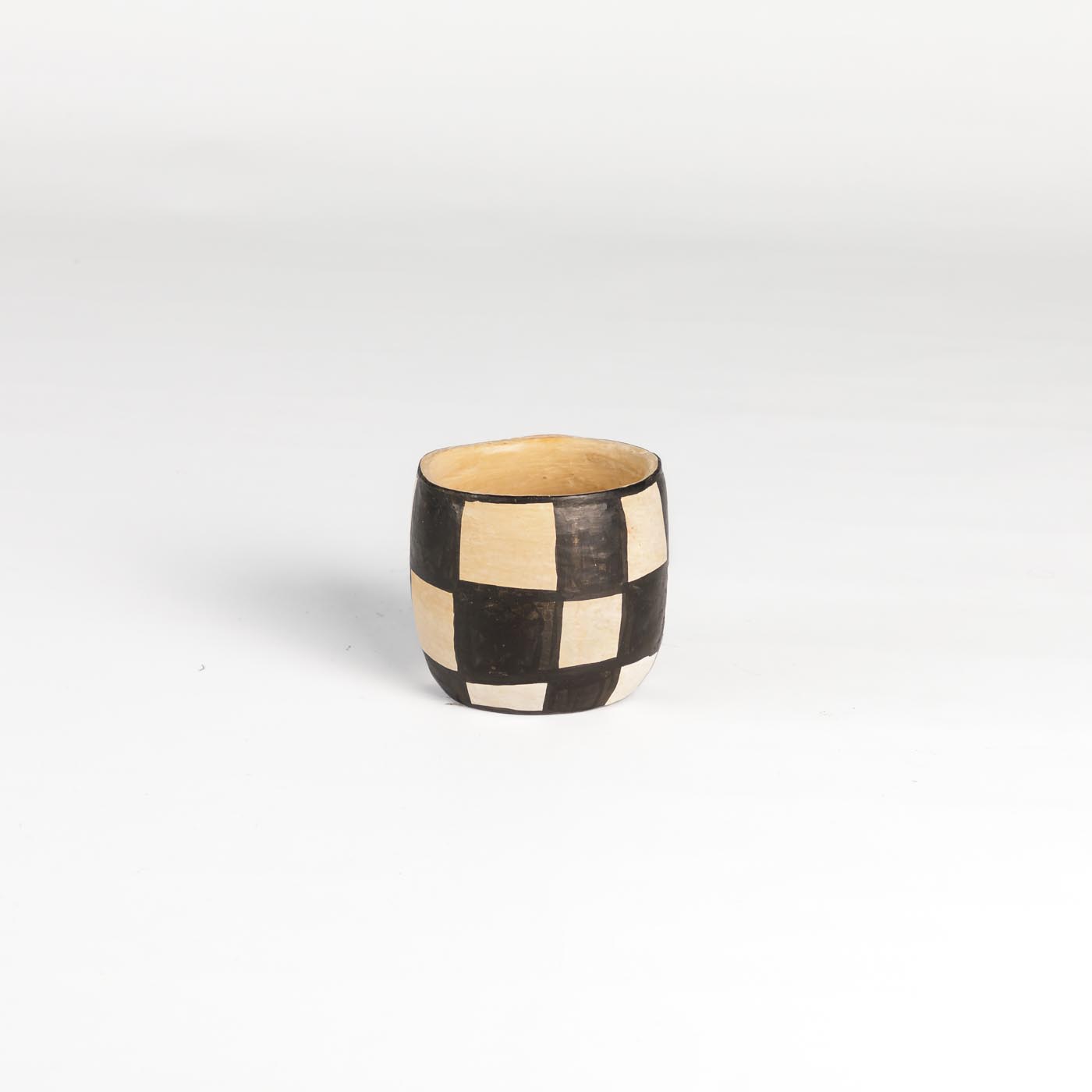
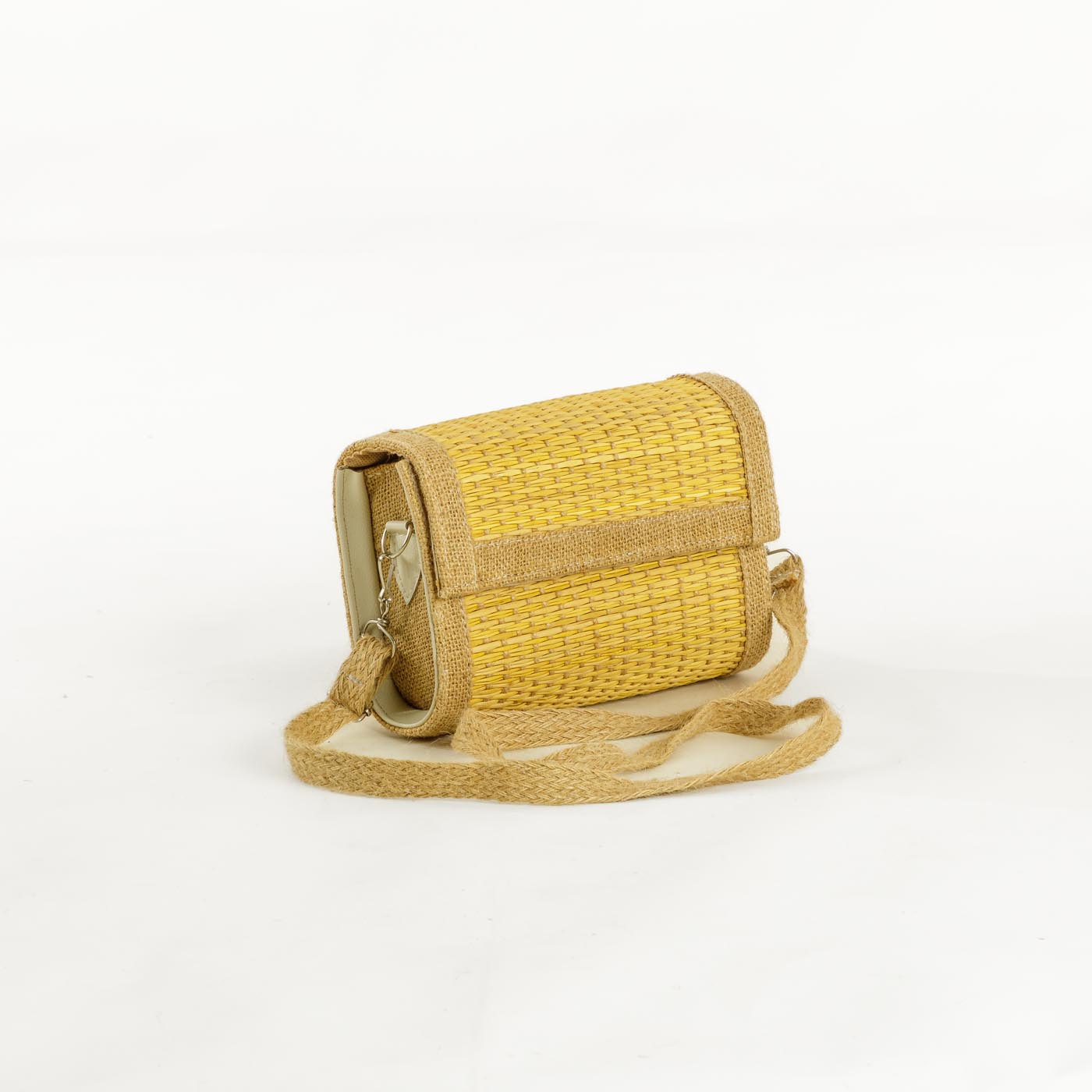
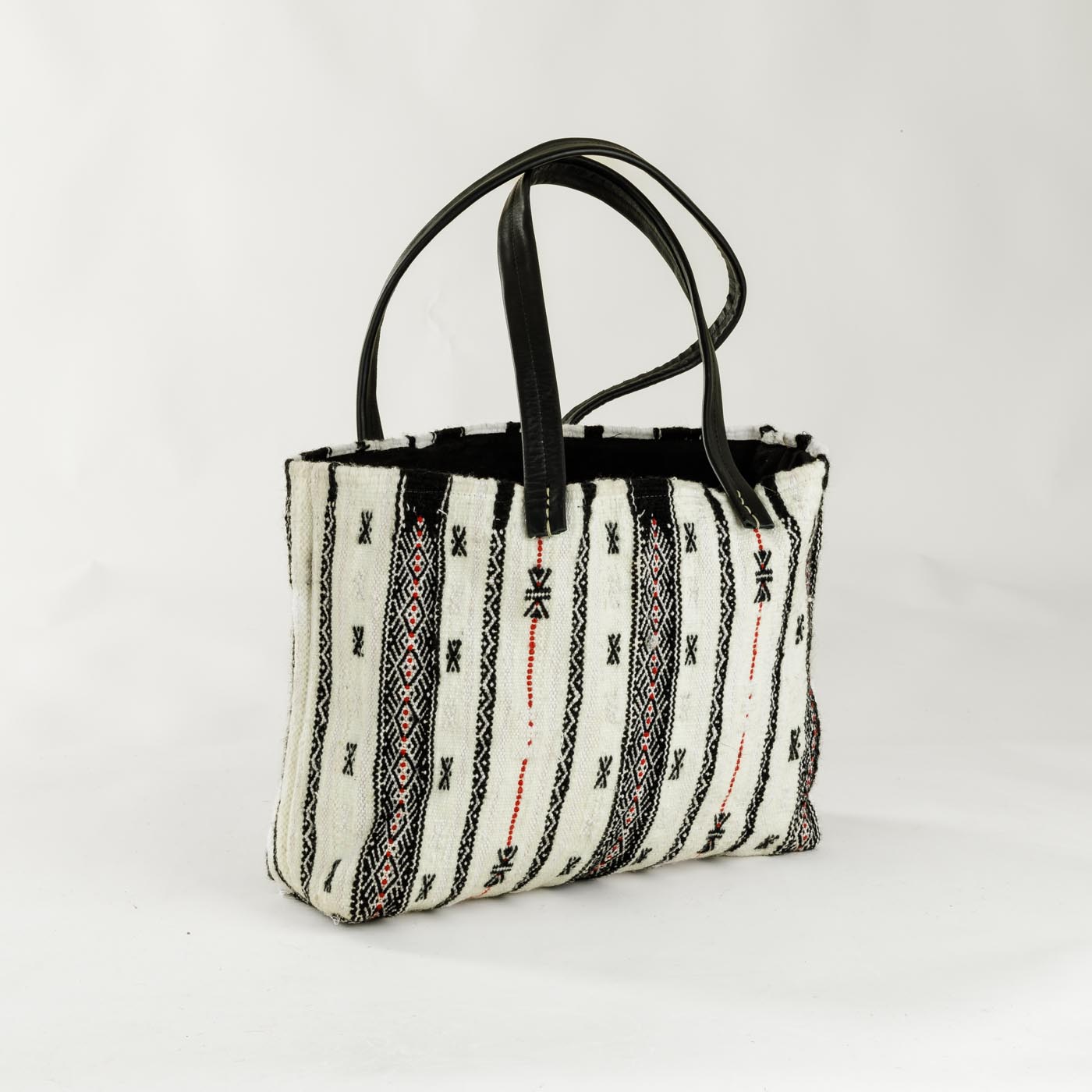
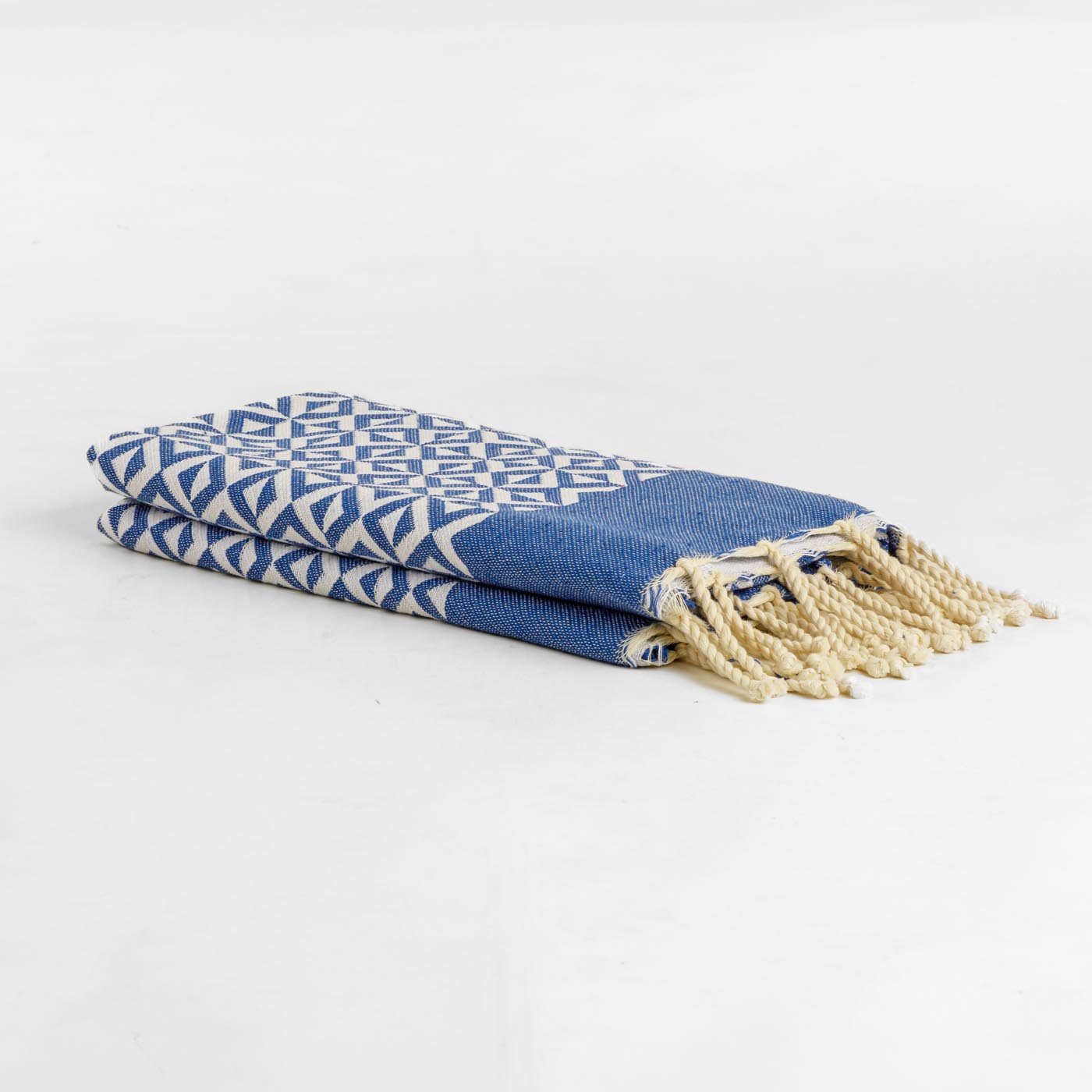
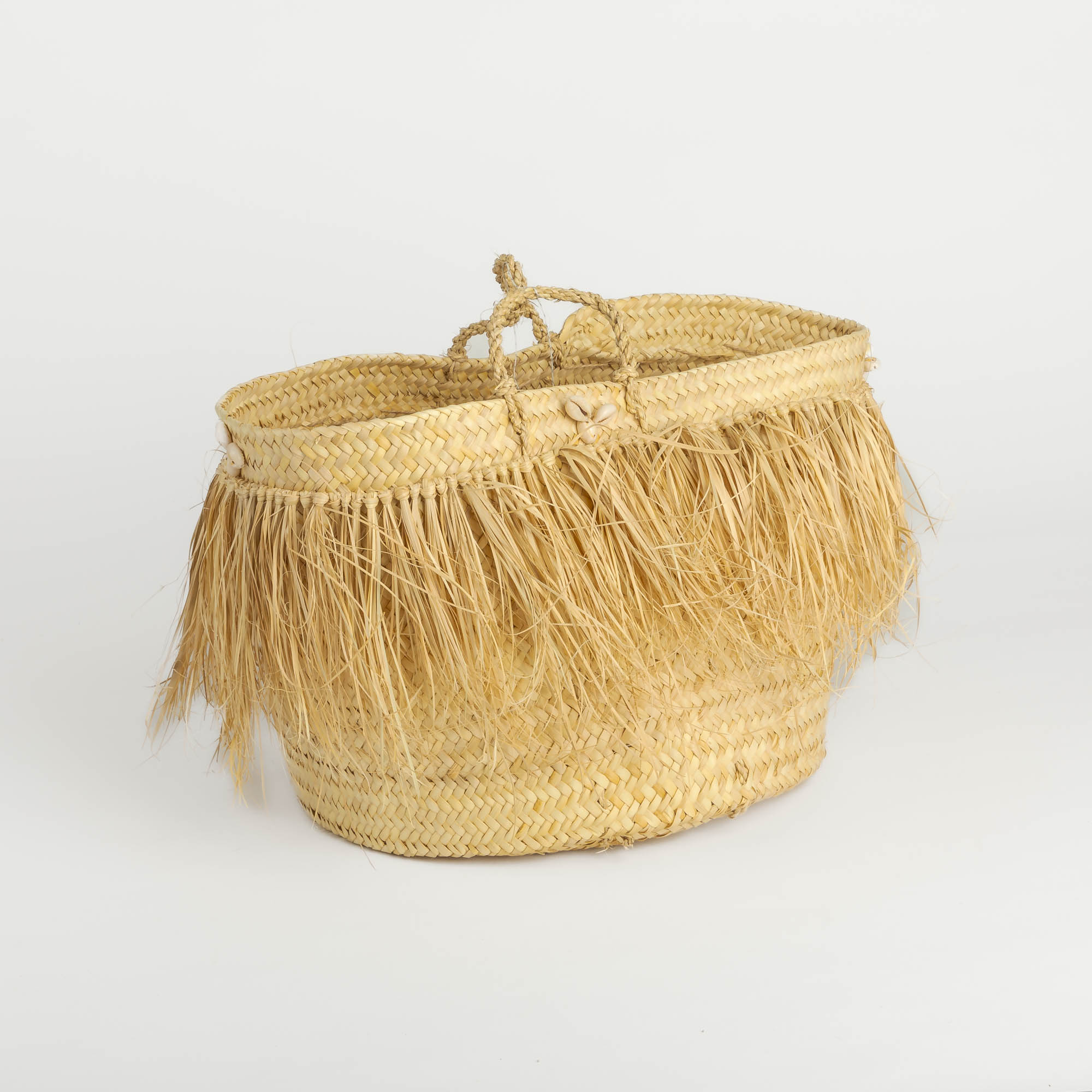
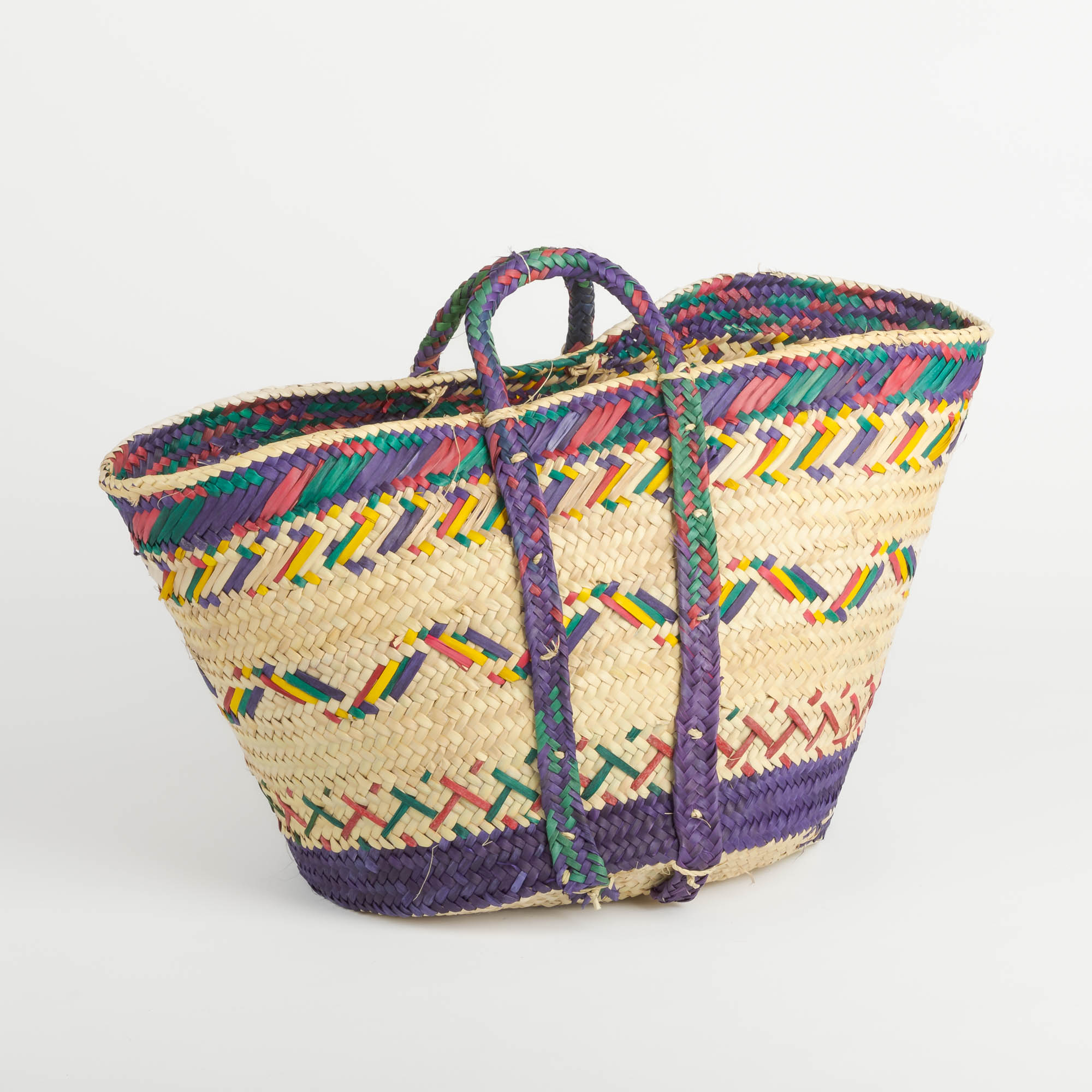
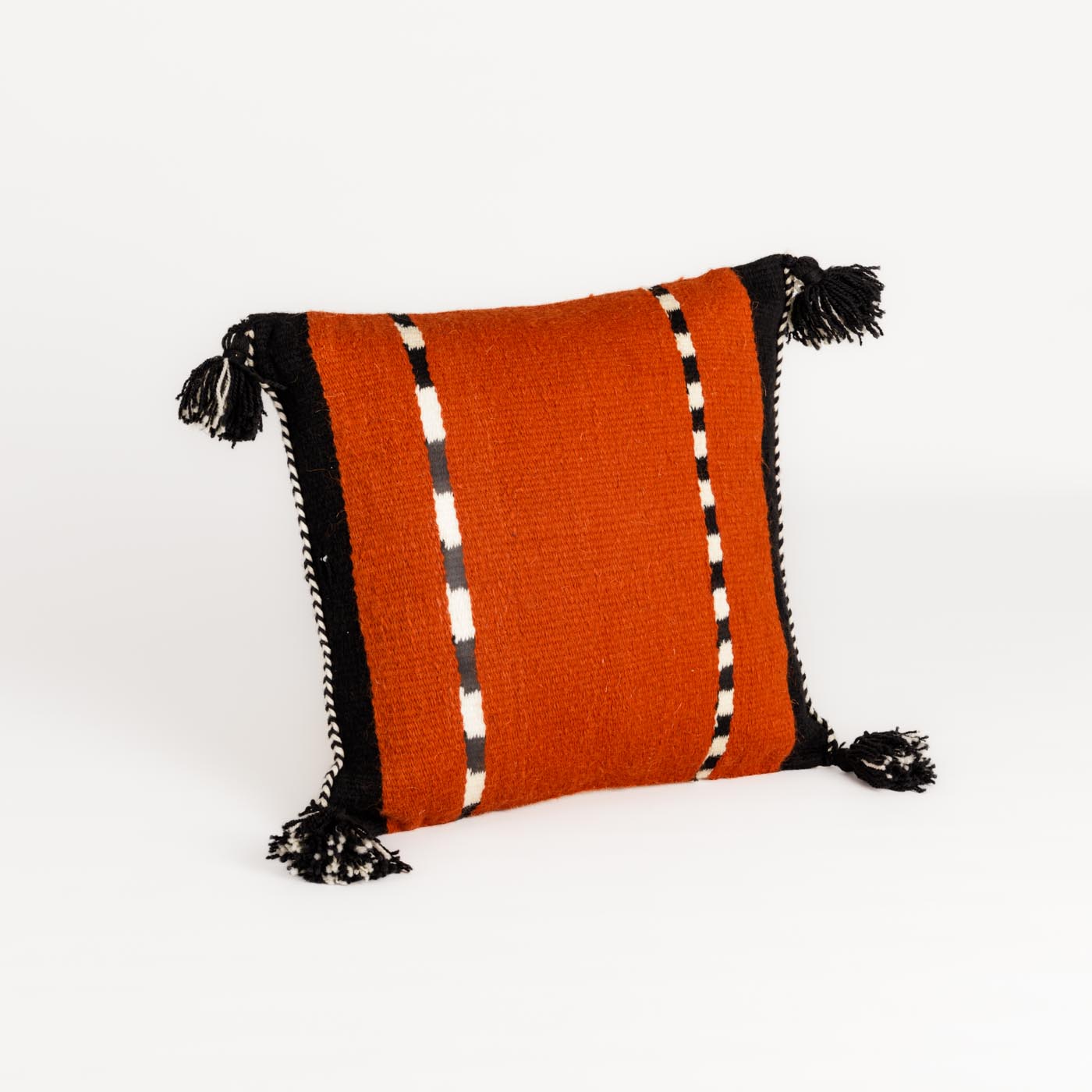
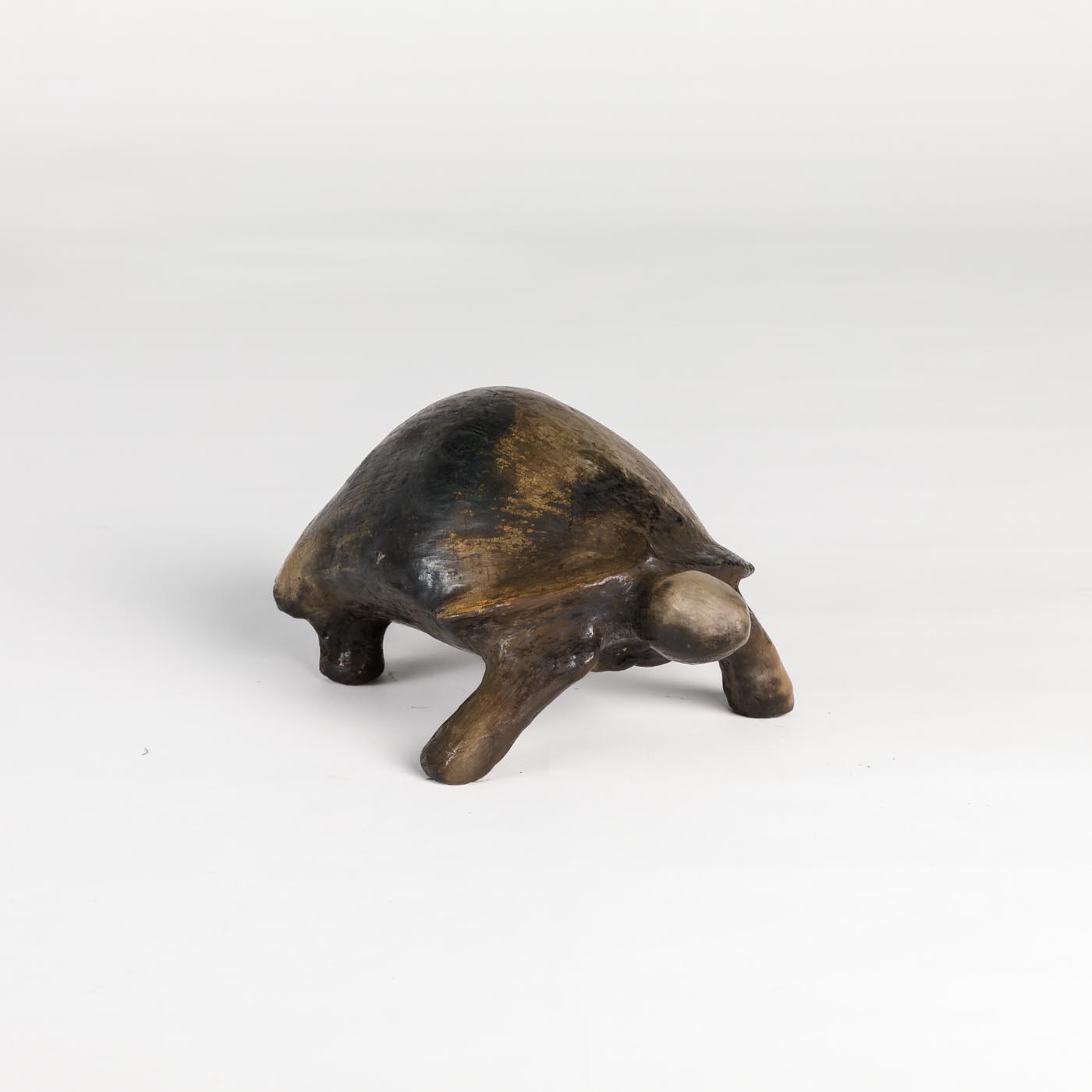
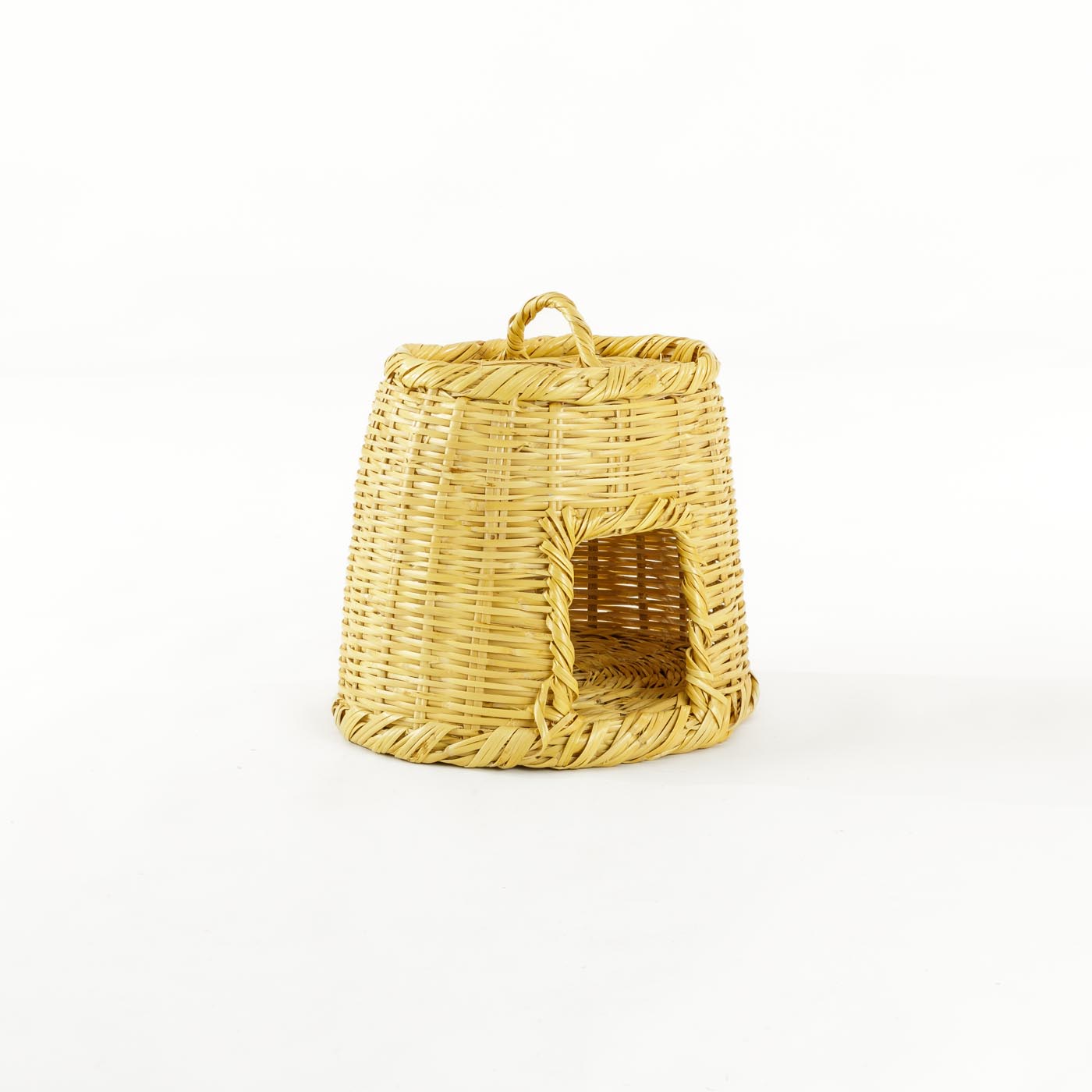
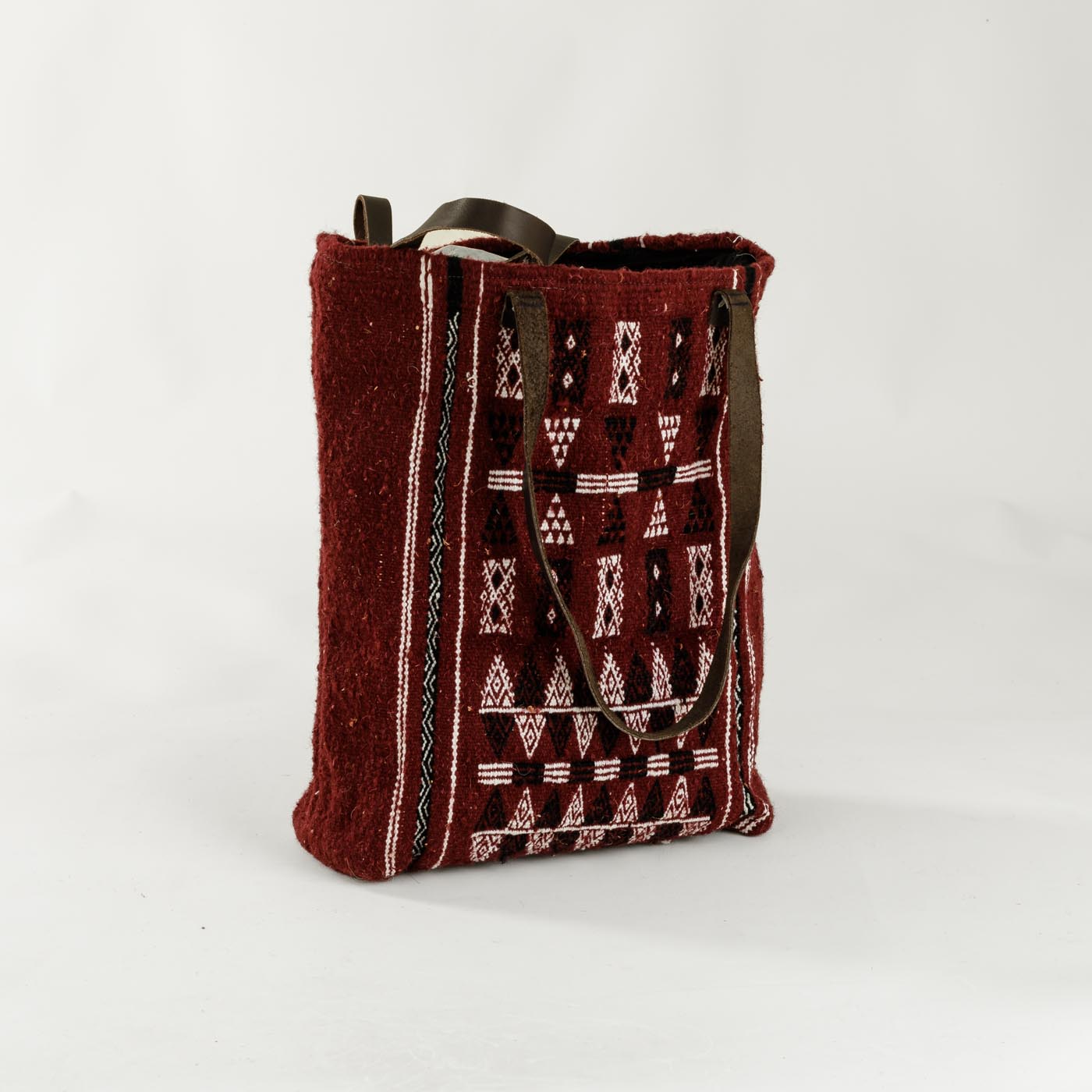
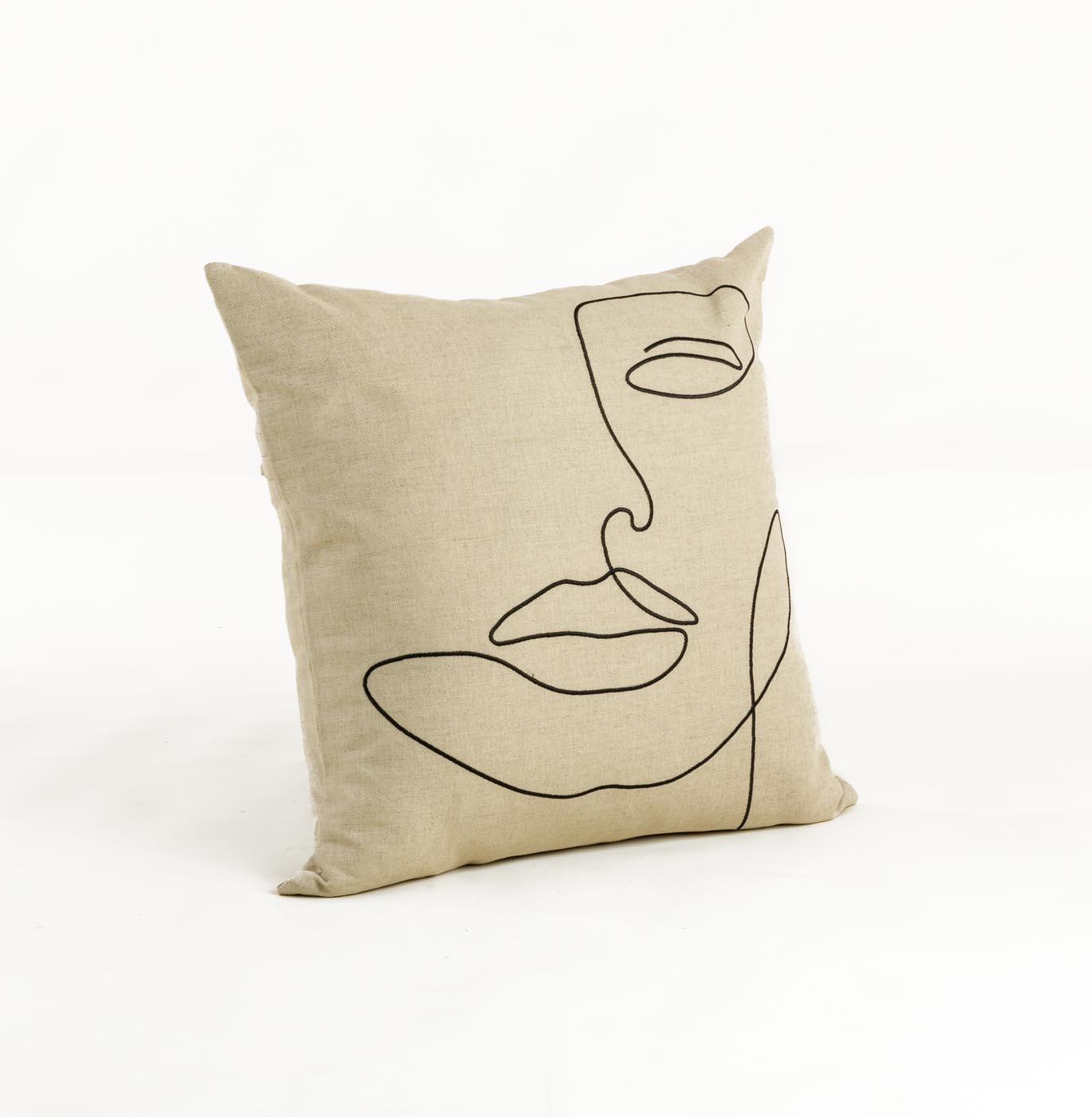
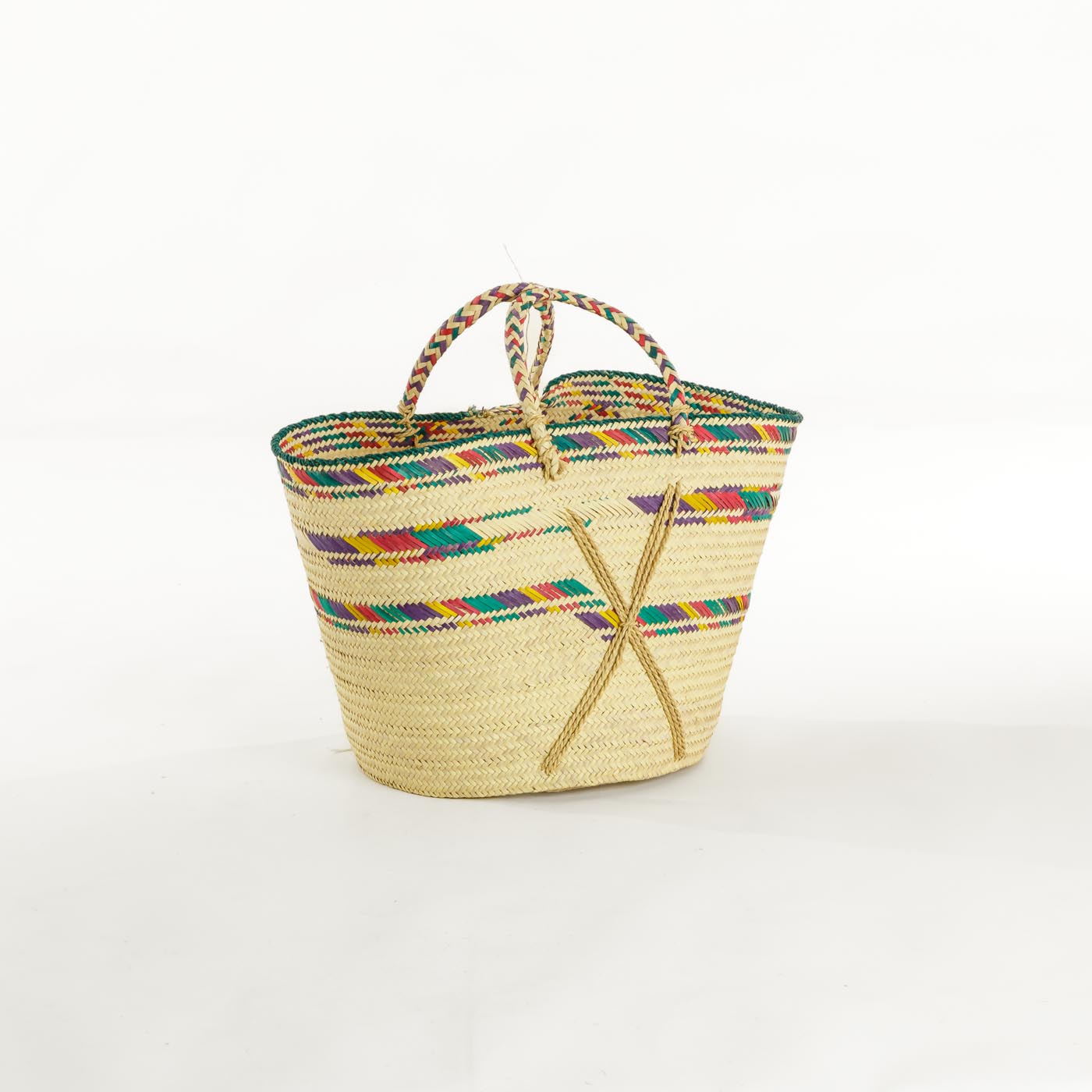
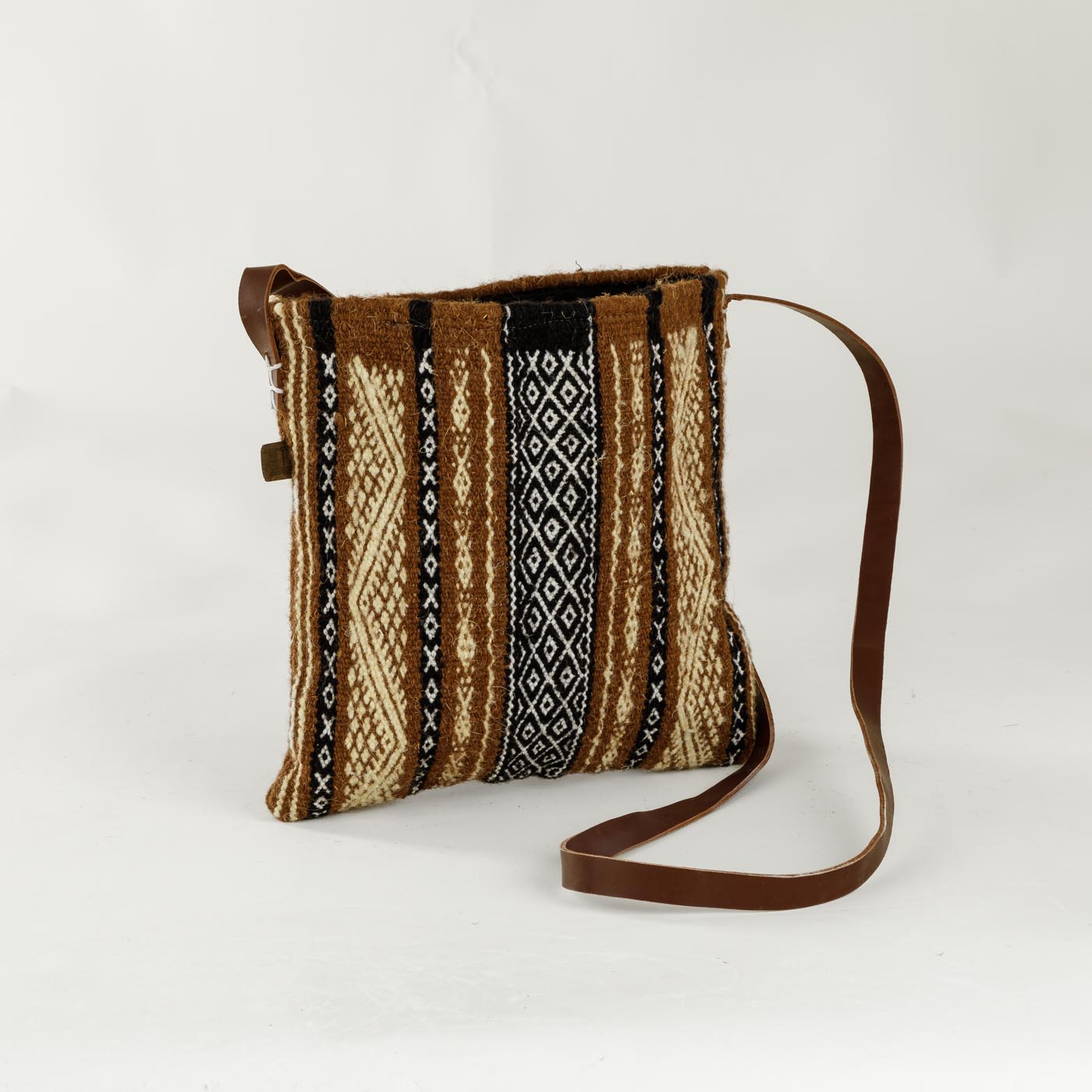
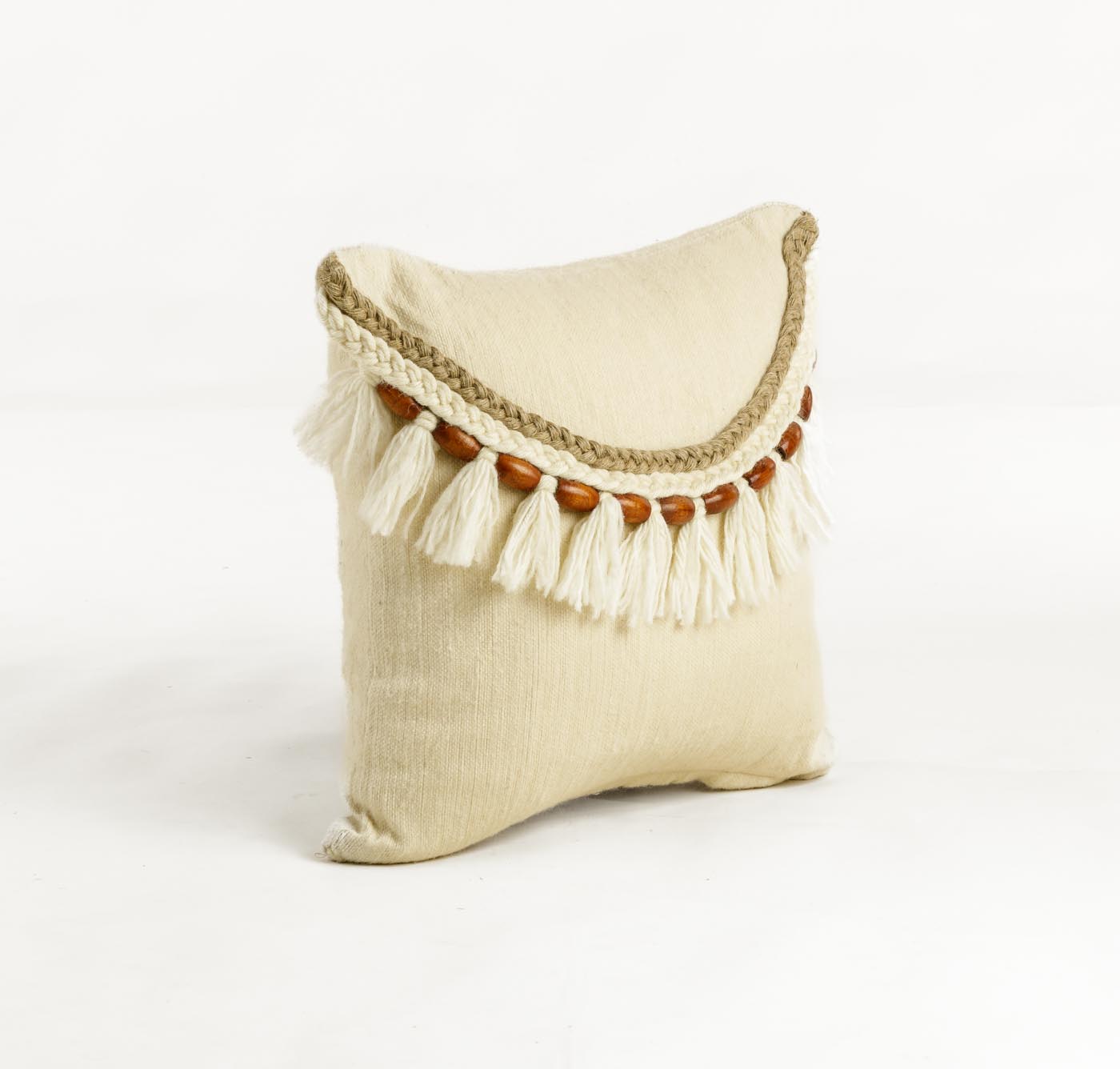
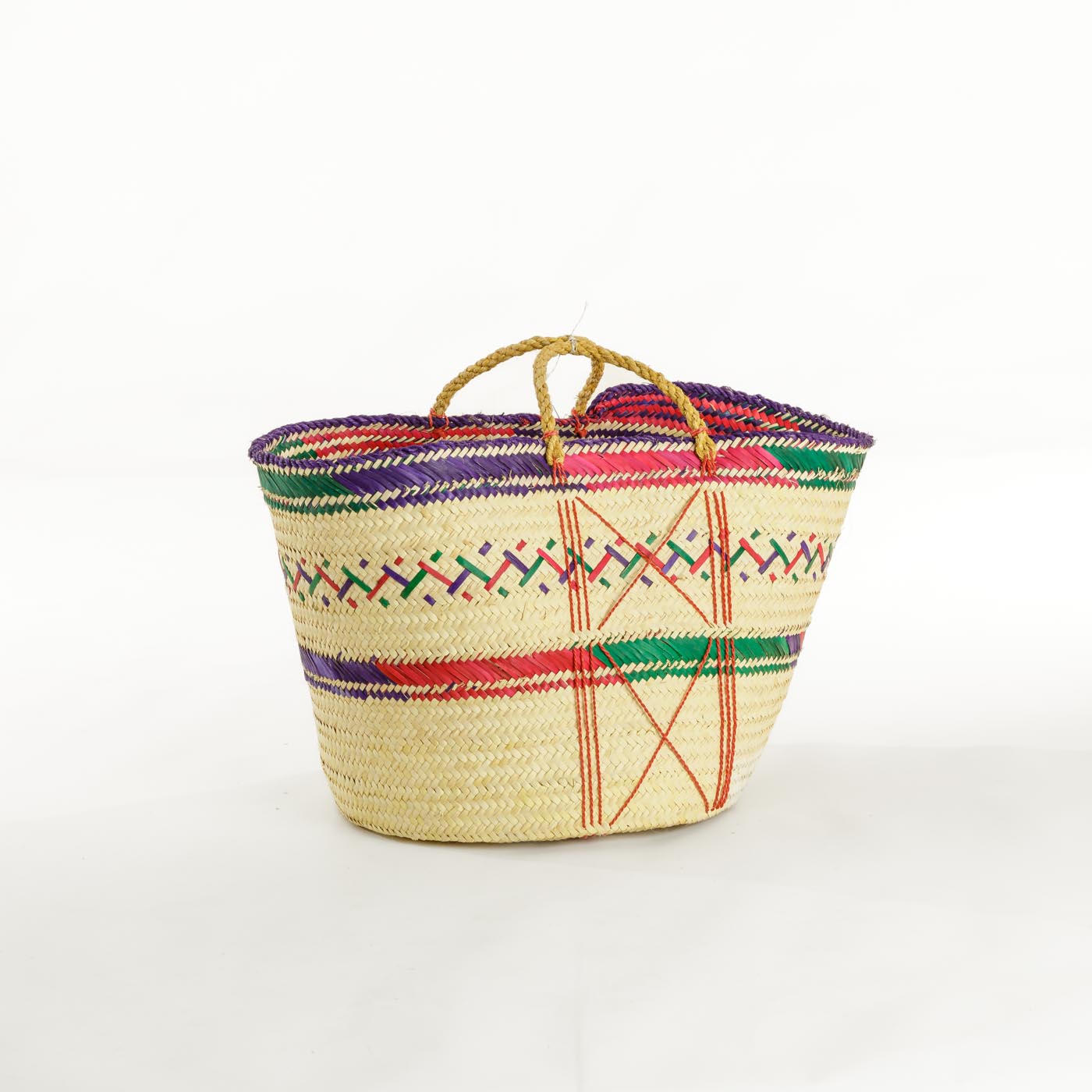
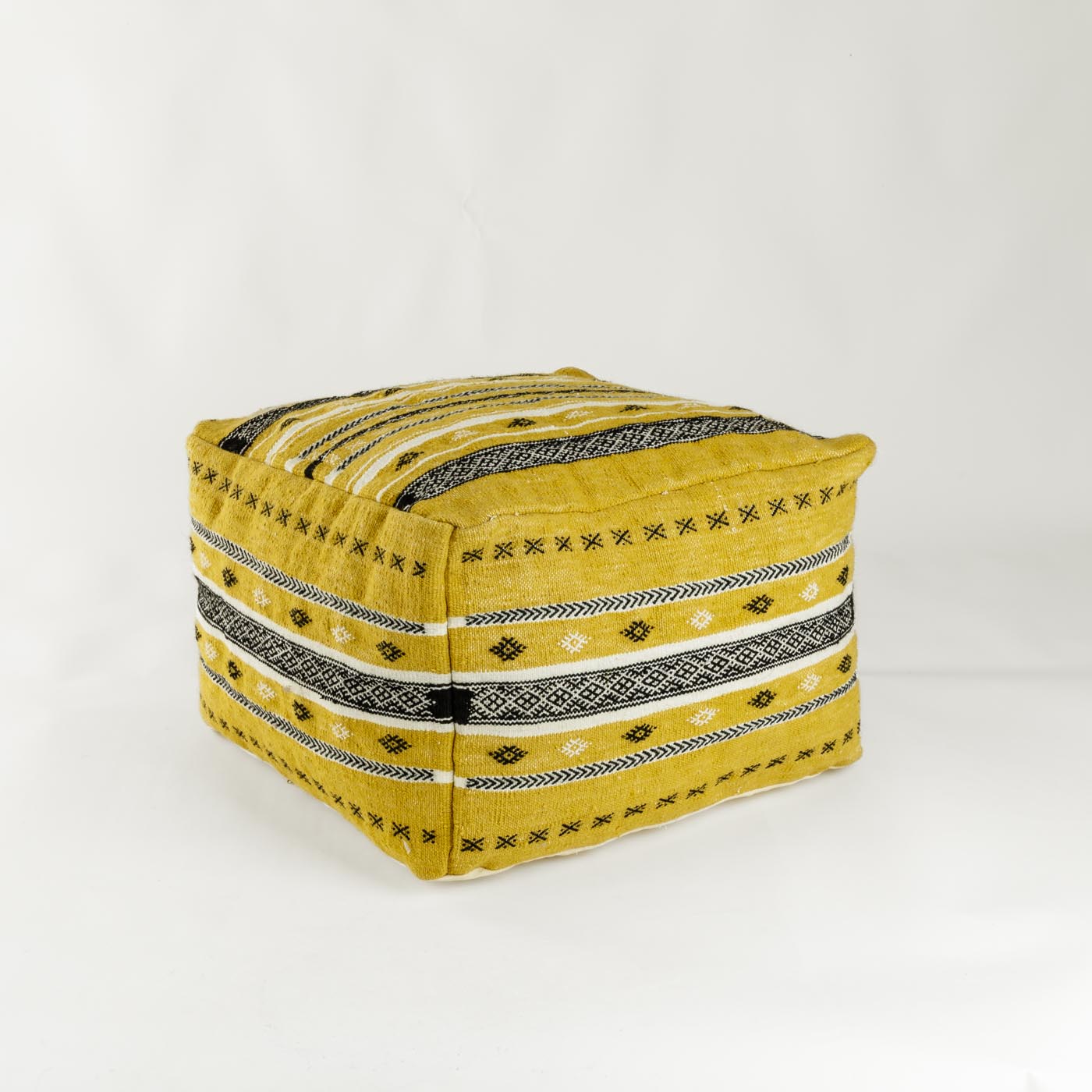
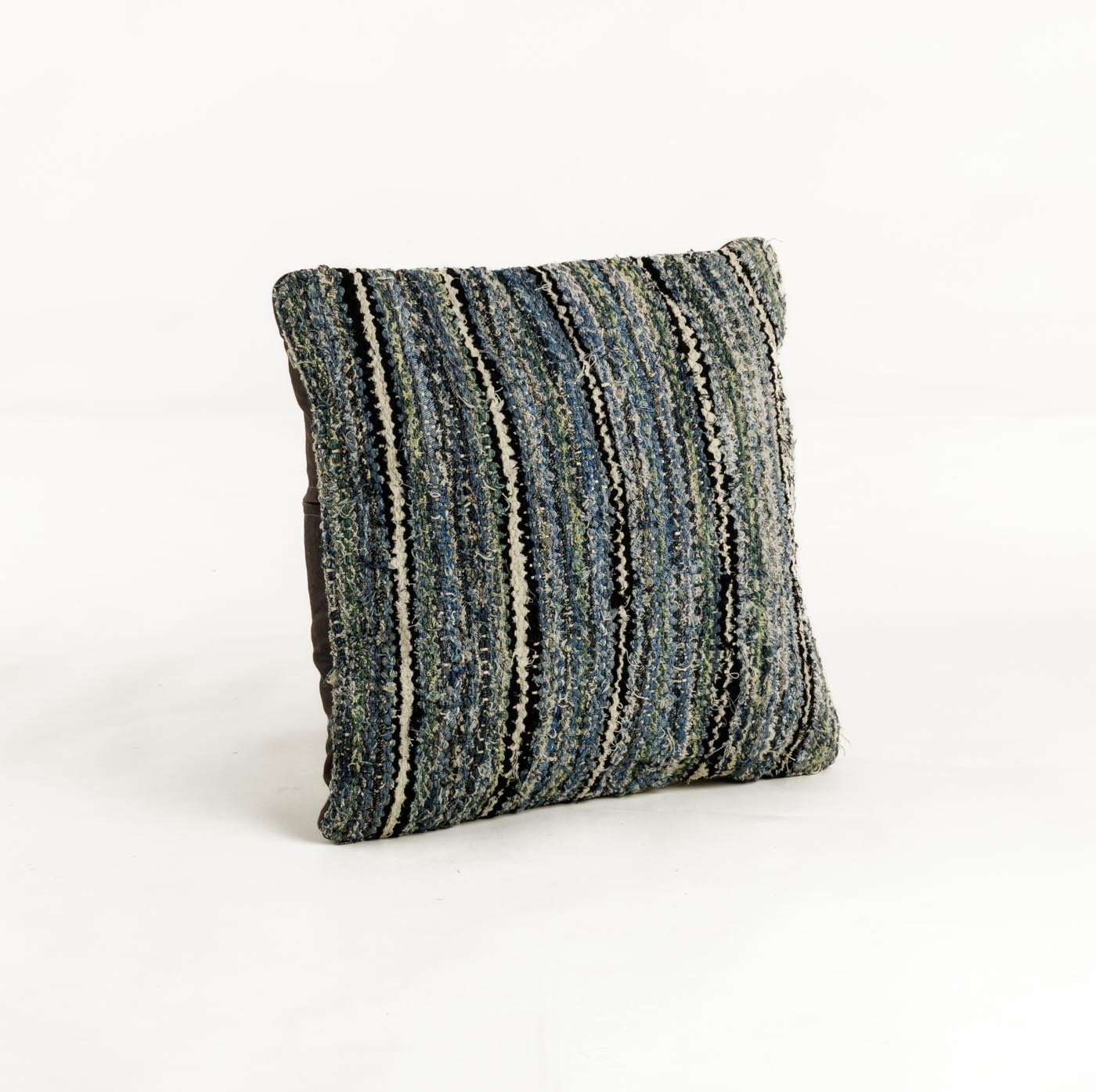
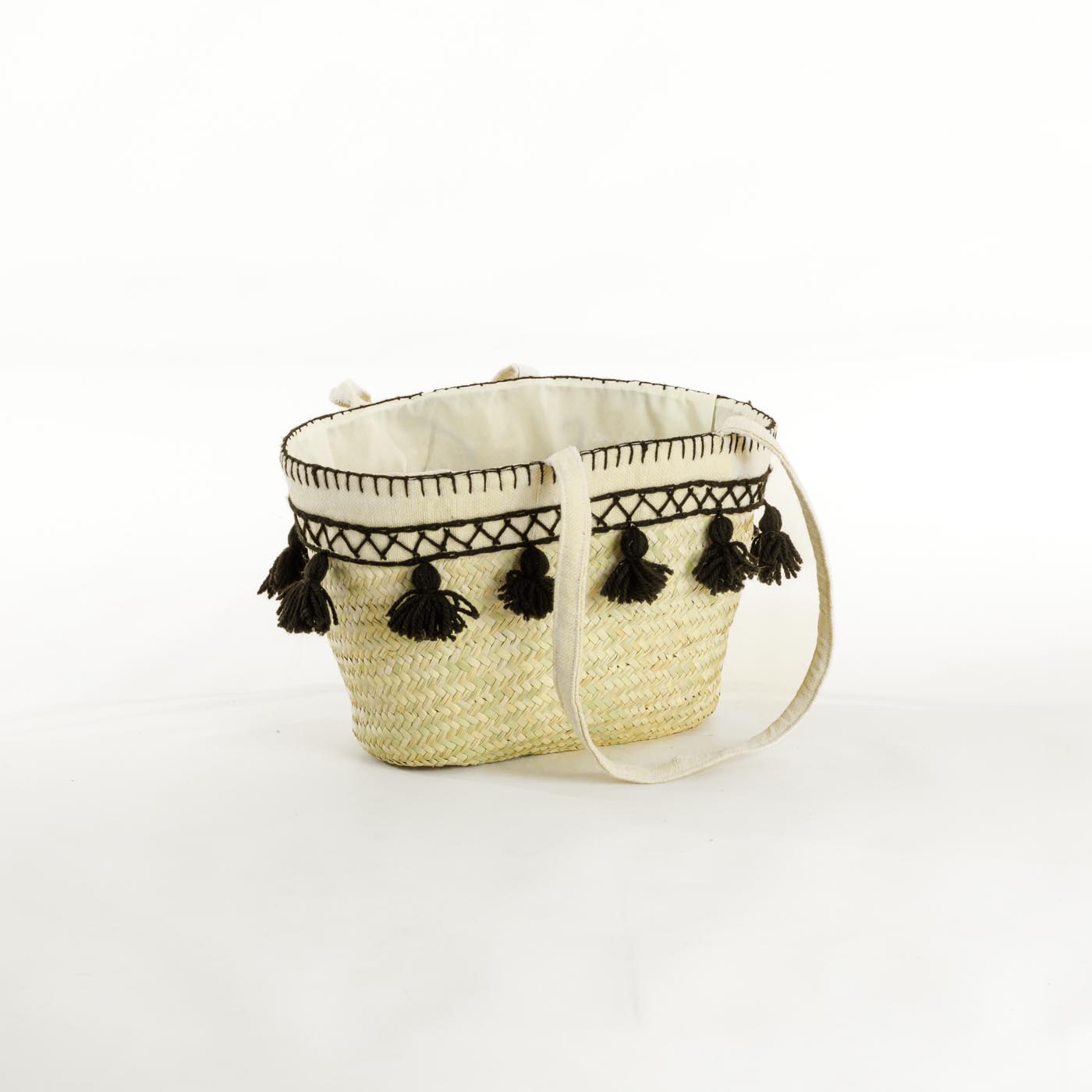
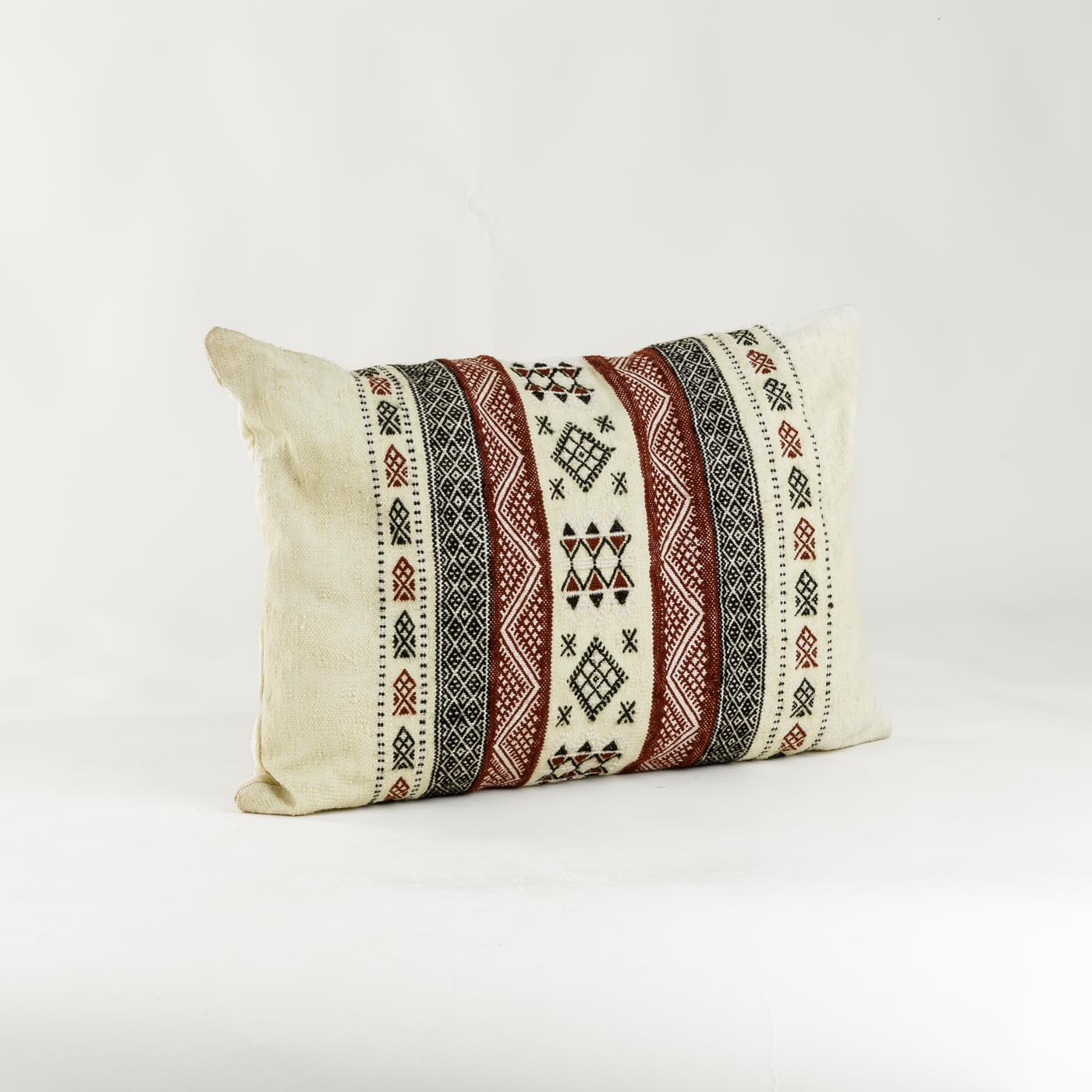
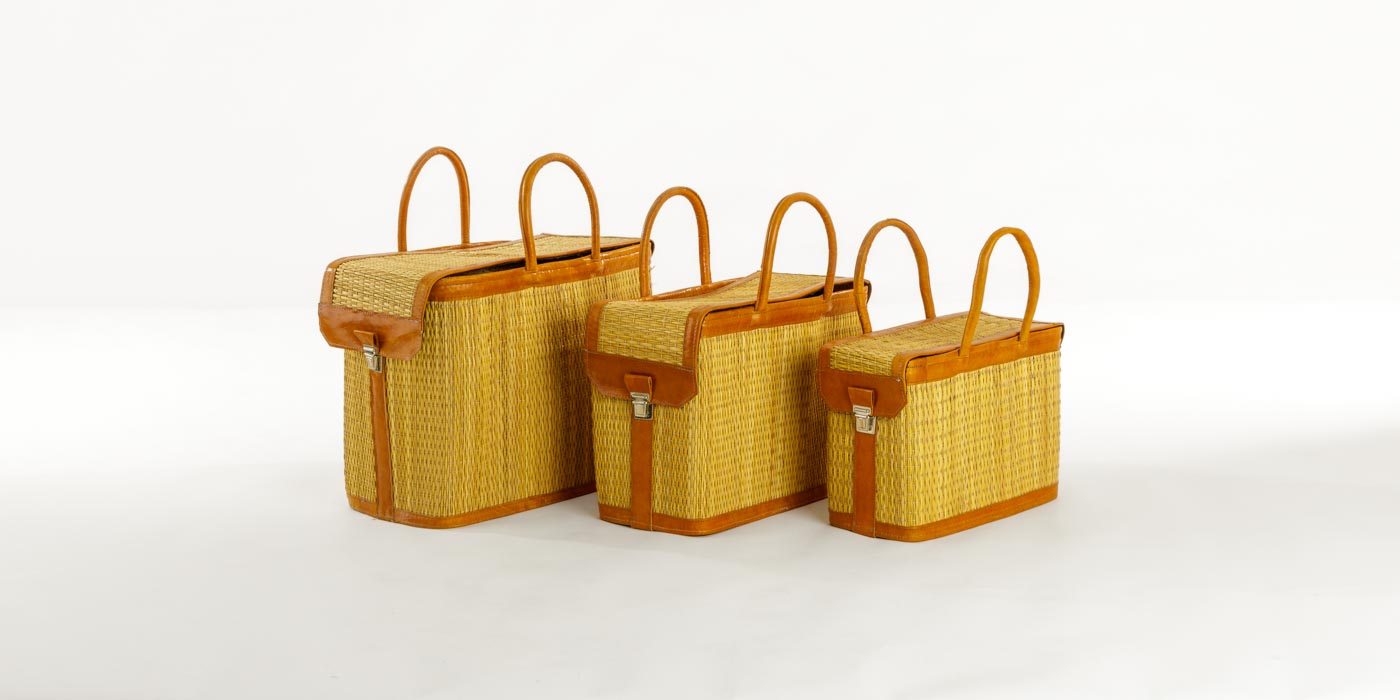
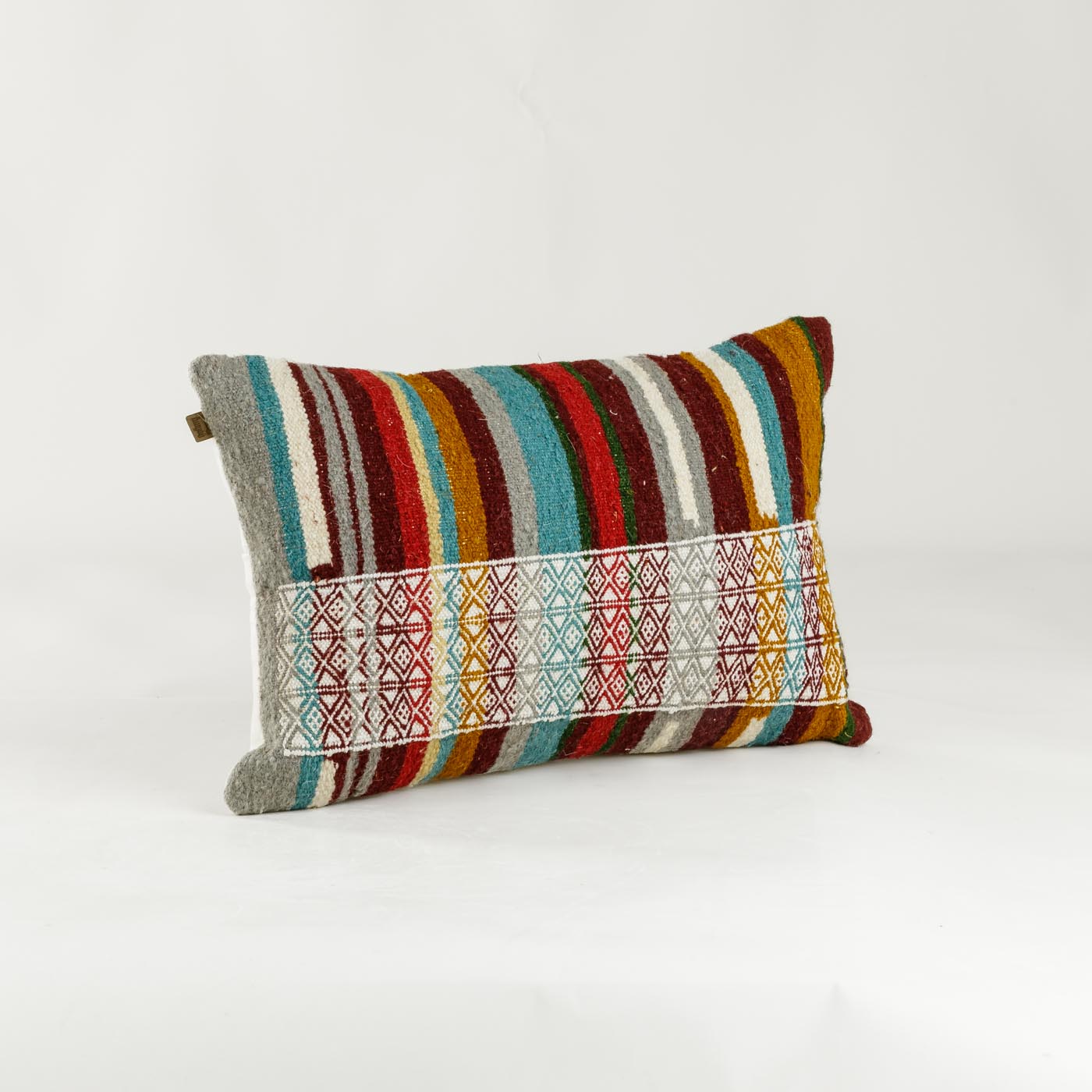
Fifteen artisan catalogs for UNIDO and Audacity. Over 900 product photos, art directed and laid out so Tunisian craftspeople could sell at international fairs.
Graphic DesignPhotography
The brief
In collaboration with UNIDO and the agency Audacity, fifteen catalogs for fifteen groups of Tunisian artisans: potters, weavers, palm workers, woodworkers. Each book had to hold up at a trade fair, in a buyer’s hands, and online.
15
Catalogs
60
Products a book
900+
Photographs
A catalog has two jobs
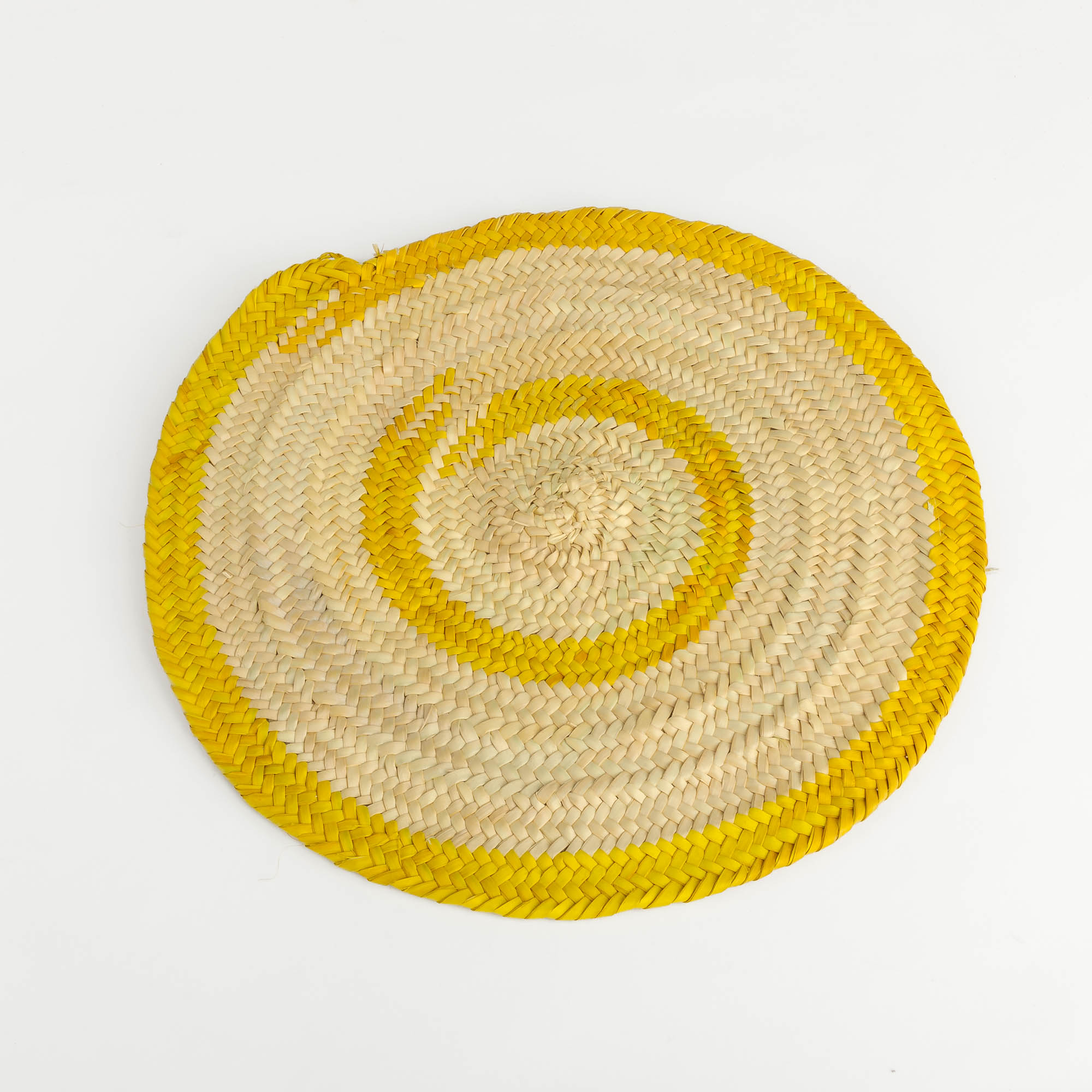
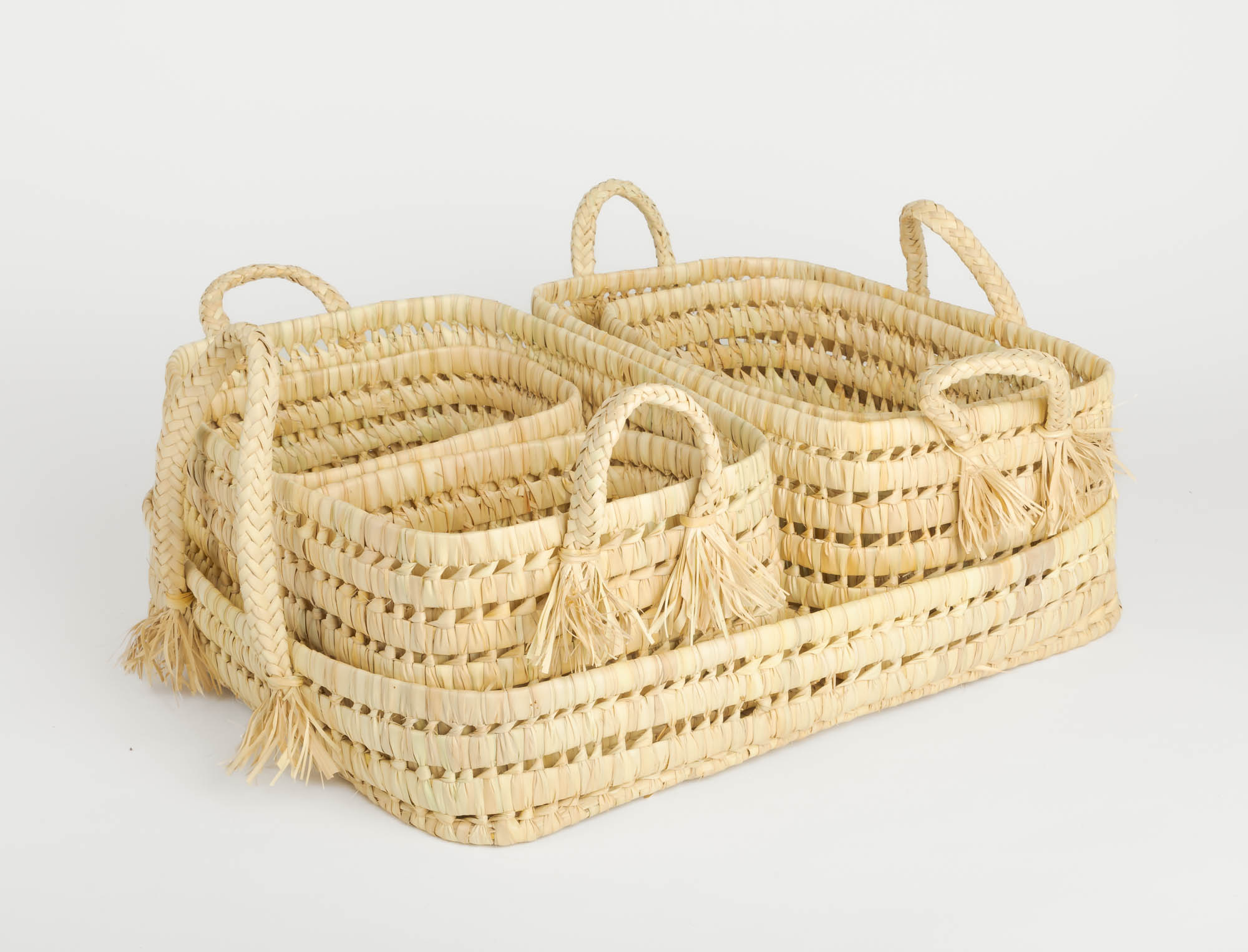
The first is to make the object orderable. A buyer needs a reference, what it is made of, how big it is, and a photograph neutral enough to compare against the next one.
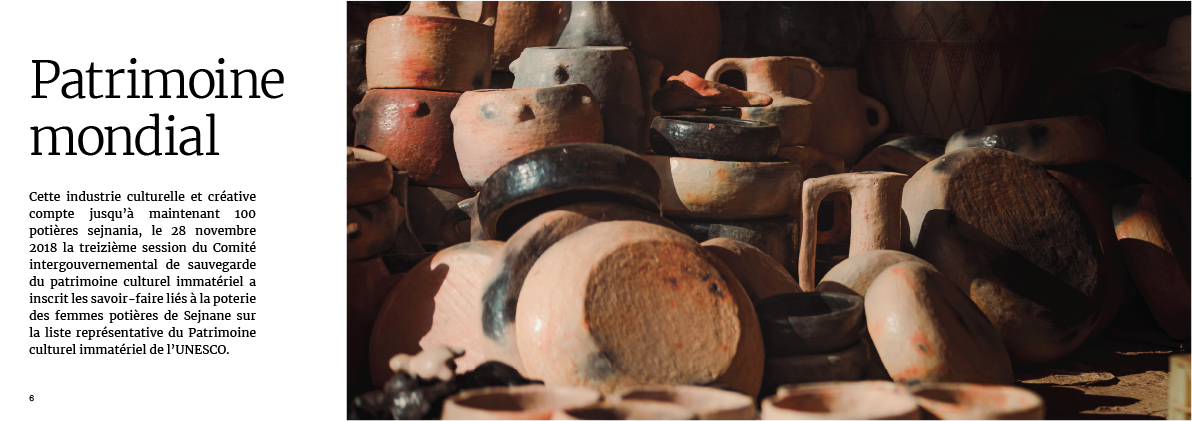
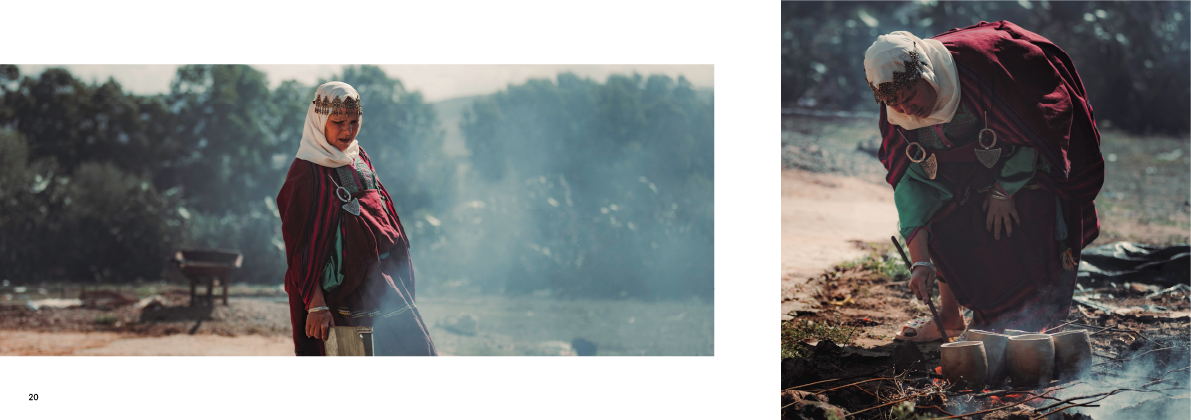
The second is to explain why the object costs what it costs. A black Sejnane vase sitting next to a generic black vase is just a black vase, until you know the colour comes from firing it in straw smoke on open ground, by a technique carried mother to daughter and inscribed on the UNESCO list of intangible cultural heritage.
Most product catalogs skip the second job. It is the one that decides the price.
Shot on the artisans’ terms
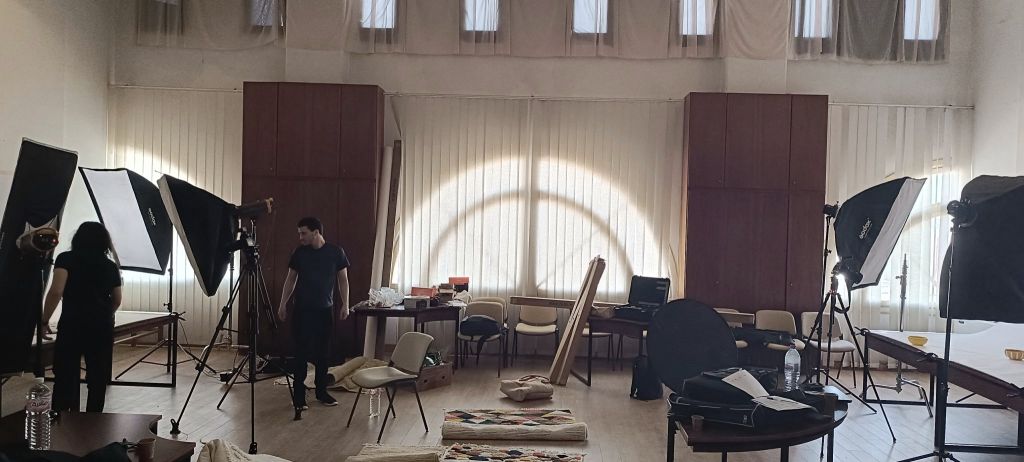
The studio travelled. Artisans set the schedule and the location, so the setup went to them rather than the other way round, which is why pieces made hundreds of kilometres apart sit on the same background.
The setup, rebuilt at each location
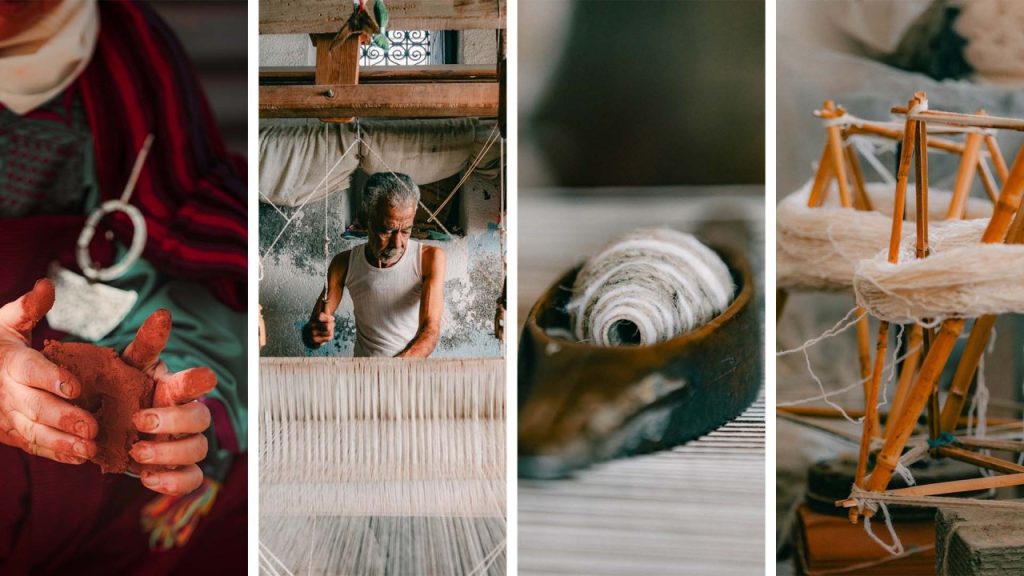
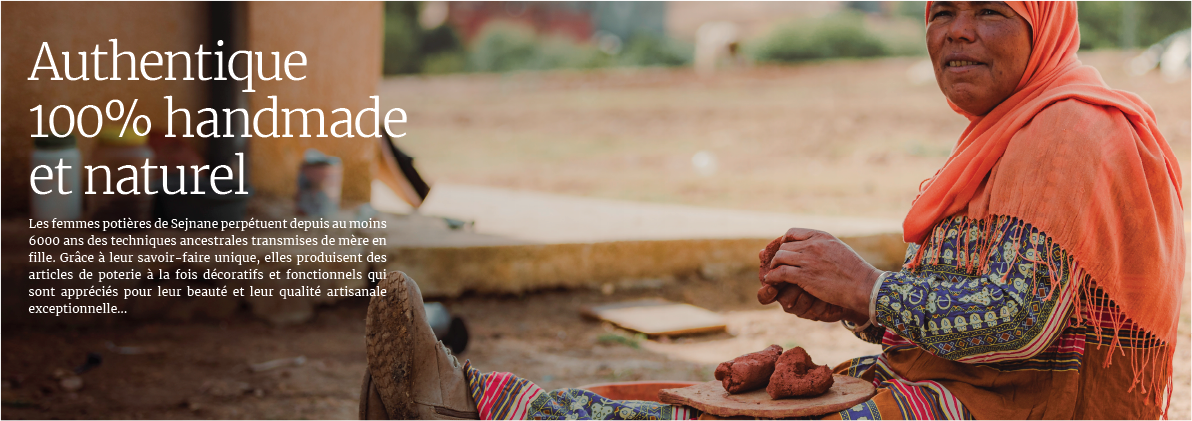
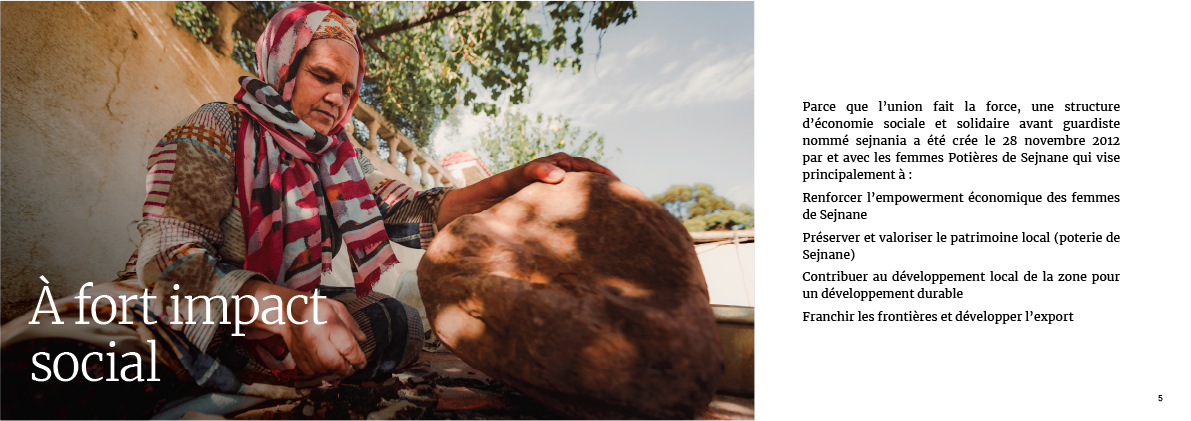
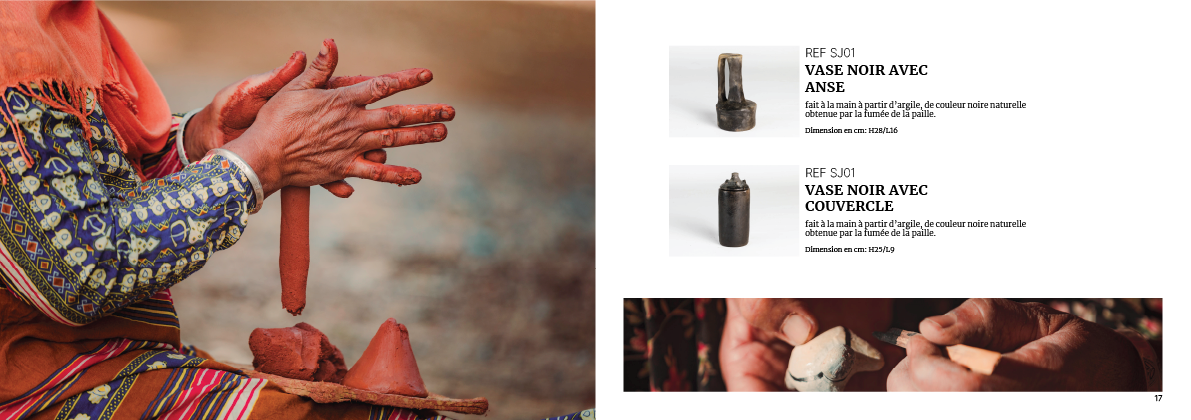
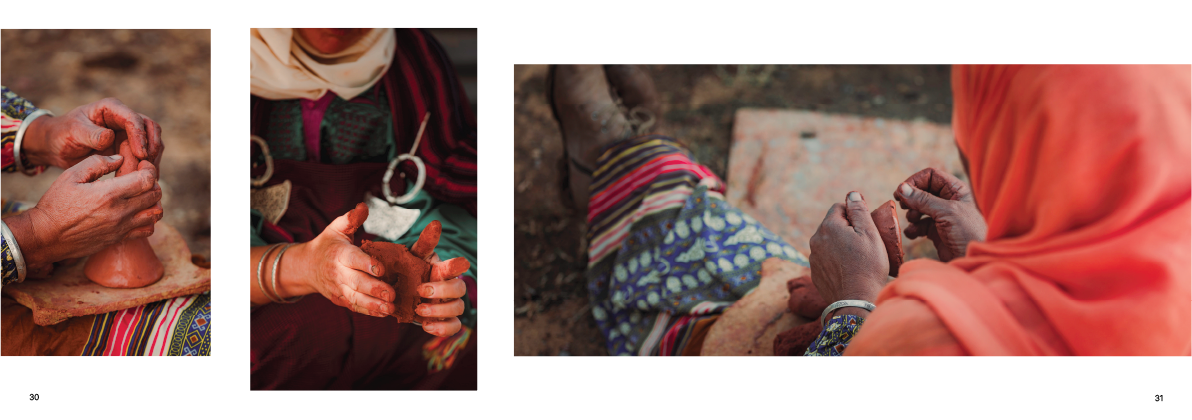
I shot both registers on the same visits. Cut-out product photography for the listings, and reportage of the work itself: hands on clay, pots firing in the open, the loom mid weave. The reportage was delivered to the client as well as running through the books, so the photography outlived the catalogs it was made for.
Clay, loom, wool, warping frame. Four crafts, one visit each
One treatment, every material
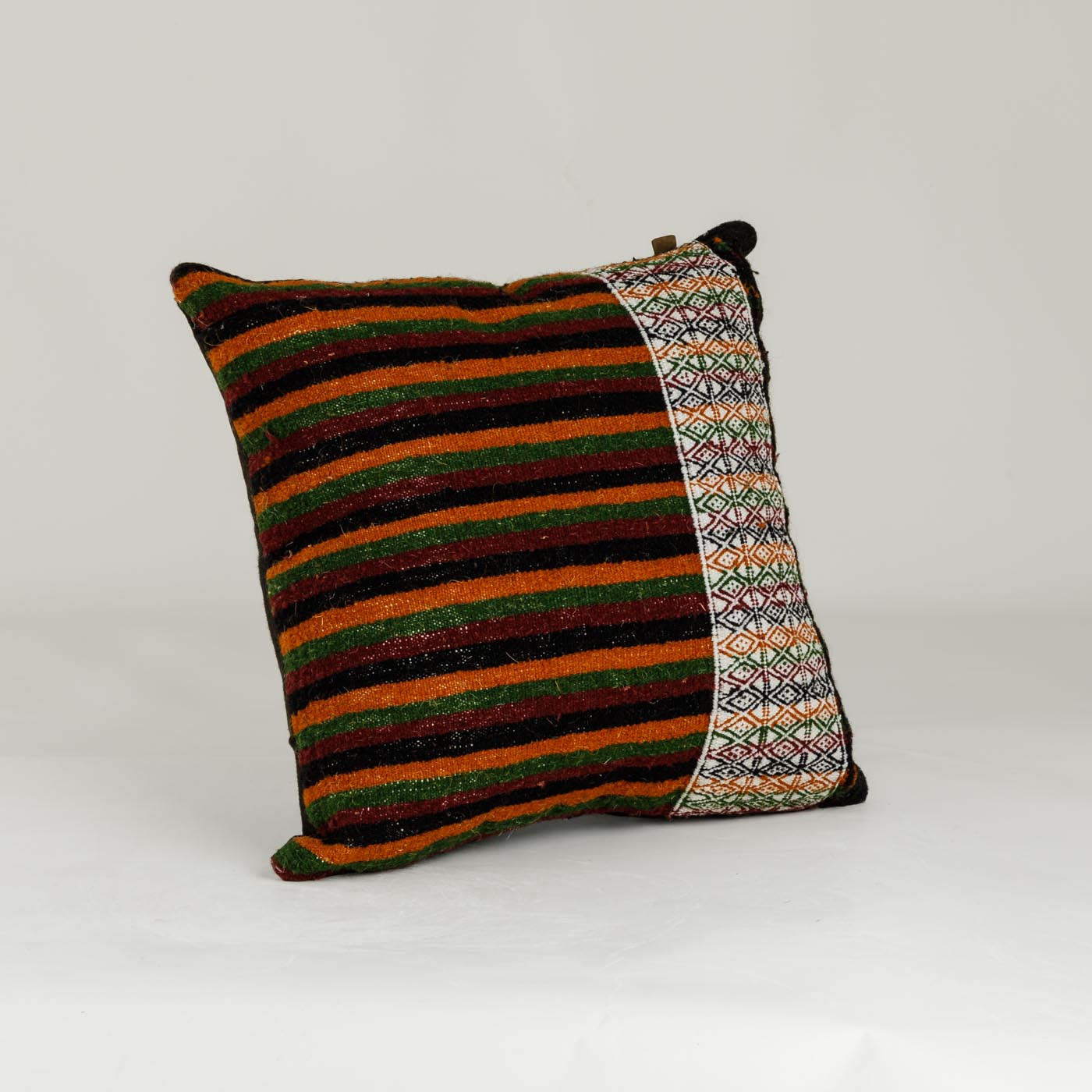
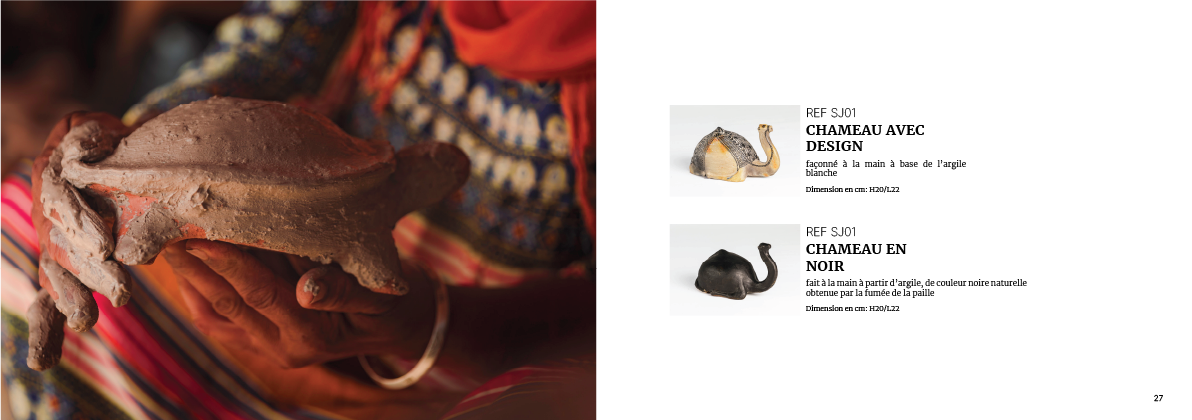
Fifteen catalogs, around 60 products each, more than 900 photographs. Every product type behaves differently in a layout. A fouta is flat and wide, an armchair is furniture, a ceramic camel is a figure with a silhouette. One grid, one type scale and one photographic treatment had to absorb all of it, or fifteen books would have read as fifteen unrelated projects.
Nine artisan groups in that grid, dealt out rather than blocked together, so the treatment is what you notice before the material. That is what master pages and paragraph styles in InDesign are actually for. Not a software credit: the reason a decision made once held across a book, on a schedule that had no room to redo anything.
One book, page by page
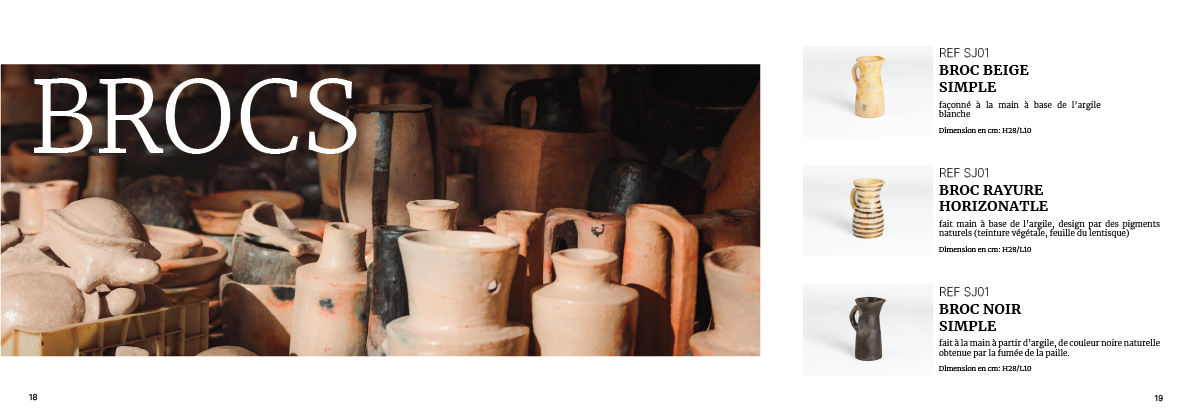
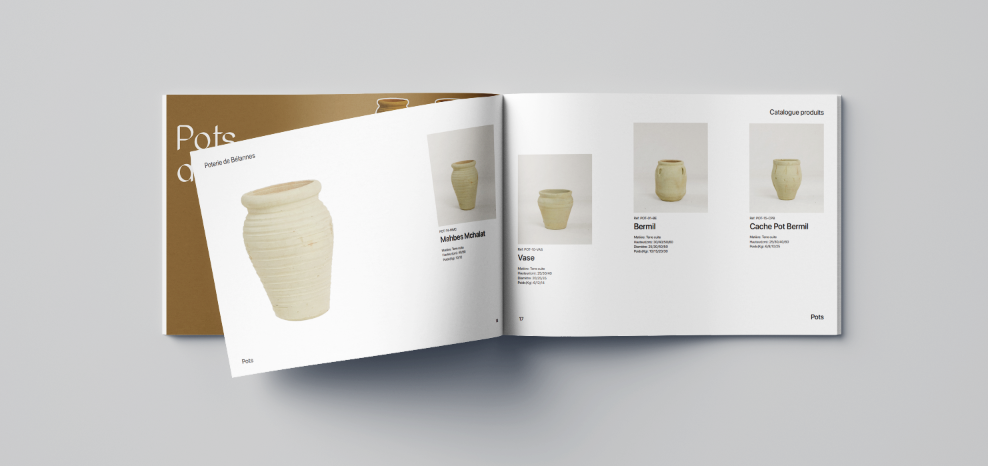
The Sejnane catalog, in page order. The provenance pages carry the maker, the listing pages carry the reference, the name, one line on how the piece was made and the dimensions in centimetres. Nothing decorative on those pages. Everything a buyer needs in order to order it.
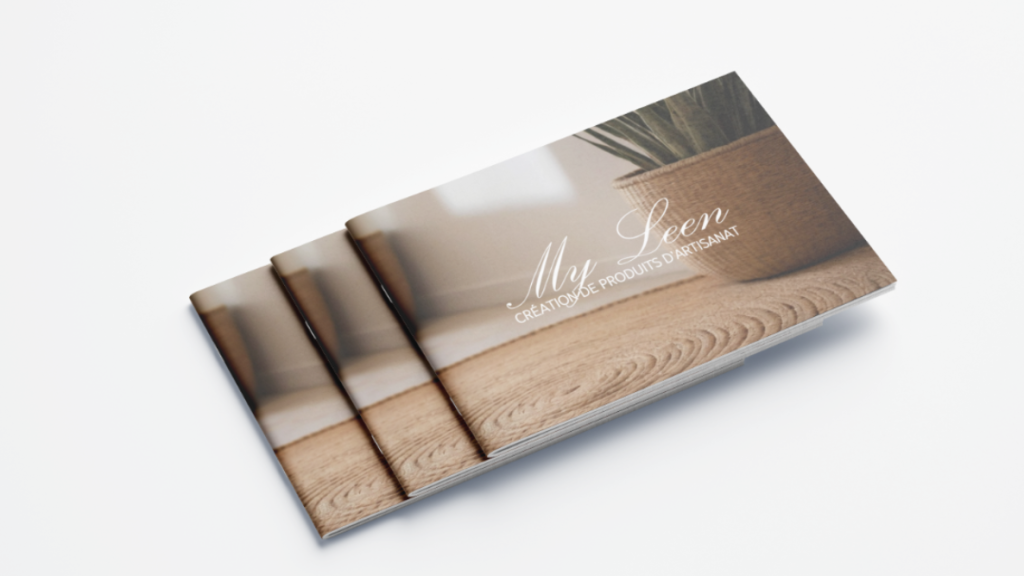
Fifteen books, printed
Each group got its own cover and its own name, running on the same interior system underneath. Listings are broken by product family behind a full page divider, so a buyer at a fair can open to the pots without working through a contents page.
Where they went
The catalogs are used at trade fairs and published on the official Creative Tunisia site. Art direction, photography and layout, with a photographer assistant on the shoots.